Life on our planet began with microorganisms. After that, everything else was created by evolution, and we are all descendants of these microorganisms.
For thousands of years, we were in antagonistic relationships with microbes. Epidemics claimed millions of human lives. It seemed to us that with the invention of more and more means to fight microorganisms, humanity was becoming more stable and healthier. But reaching a certain point in this struggle, our reason prevailed and we finally decided to study more deeply those with whom we had fought for so long.
According to modern views, our body is not entirely our own. It is a superorganism, a community of various prokaryotic and eukaryotic cells living in symbiosis. At the same time, the highest concentration of bacteria is observed in the human colon. Our microbiota is our individual fingerprint, especially at the level of bacterial strains. The bacteria living with us are aids for adapting to environmental factors, maintaining their energy, metabolic, and immunological functions.
The ecological system "macroorganism-microbiota" is capable of self-regulation, resisting threats from the external environment.
If these interactions are disrupted, various diseases associated with this imbalance arise. To date, drugs, biologically active supplements, and functional nutrition are used to restore microbiological balance. For many years, probiotics have been the most popular, using mainly strains of lactobacilli and bifidobacteria of natural and biotechnological origin. It then became clear that it is necessary not only to increase the population of bacteria but also to provide them with quality nutrition – thus the idea of the usefulness of prebiotics arose – various dietary fibers that stimulate the growth of bacteria.
In the 1990s, it was established that the intestinal mucosa is permeable to both microorganisms and their fragments and metabolites. Thanks to today's scientific capabilities, using mass spectrometry, it became clear that the translocation of metabolites and signaling molecules occurs constantly and has a multifaceted impact on the human body.
Research over the past two decades has shown that microorganisms secrete a huge amount of substances involved in various metabolic processes in the human body. Among them: organic acids, including volatile fatty acids, lactones, peptides, pheromones, furanones, nucleic acids, nucleosides, B vitamins, biotin, folic and pantothenic acids, vitamin K, amines, polyamines, hormone-like substances, neurotransmitters, polysaccharides, oligosaccharides, peptidoglycans, glycopeptides, lipopolysaccharides, antimicrobial compounds with various chemical structures, lectins, biosurfactants, pigments, and others. Previously, it was believed that our body receives the main substrates and cofactors only from food.
Now it is clear that many of them are supplied by our microbiota. The intestines are a natural bioreactor, and its large intestine contains the highest number of microorganisms. And, of course, whether we receive enough of the necessary nutrients depends on their composition. Thus, the idea arose to correct the microbiota with the help of their own metabolites. Metabolites create a favorable environment for bacteria and allow them to grow and multiply. Thus, a new direction was born – the use of postbiotics to create a healthy, comfortable environment in the intestines, leading to the restoration of microbiological balance in the human body.
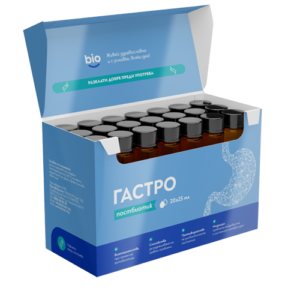
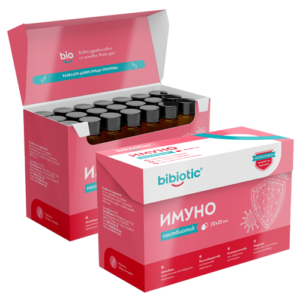
Bibiotic's postbiotic is an excellent means for correcting the microbiota; it promotes the growth of our own beneficial microorganisms, creating a favorable, comfortable environment for them, and the grown and strengthened microbiota becomes involved in the regulation of our overall health.
Each of us exists not just as a biological entity (a set of cells, organs, and systems), but also coexists with our own bioecosystems, consisting of acellular, unicellular, and multicellular microorganisms called microbiota. That is, the cells of the human body are constantly connected with the microorganisms living within us. We must get used to this idea, as it will remind us that we must constantly take care of our microbiota, just as we do and do not doubt the need to brush our teeth for their safety. We are inextricably linked to our microcosm and are completely interdependent. Quantitatively, these are approximately parity relations – the number of cells in our body is approximately equal to the number of microorganisms.
There are several bioecosystems (microbiota) in the human body – skin, ocular, oral, pulmonary, intestinal, vaginal, and urogenital.
Of all the microbiota, the intestinal microbiota is dominant and claims the status of a full-fledged organ (it has weight, is clearly localized in the gastrointestinal tract, and performs strictly defined functions). It is here that the human immune system is formed.
More than a thousand different types of microorganisms colonize the human intestine – obligate, facultative, transient. They are either close to the wall, due to their adhesive properties, forming biofilms, or in the intestinal lumen, living independently in free swimming. This world is very diverse – bacteria, archaea, fungi, viruses, protozoa, helminths. It is a powerful, living biosystem that produces and releases many products of its vital activity, called metabolites, which participate in all biochemical processes of our body.
Thus, the intestinal microbiota performs many important functions for the human body. Here are just a few:
biological protection – the intestinal biofilm protects the intestinal epithelium from foreign pathogens, antigenic food structures, and chemical aggression;
immunological protection;
metabolic function;
vitamin synthesis;
synthesis of bioactive signaling molecules, mediators.
If this entire ecosystem is in perfect balance in terms of the number and diversity of organisms, then this state of the organism is called eubiosis. If this state of balance is disturbed, dysbiosis develops. The causes of dysbiosis can be of various natures – malnutrition, stress, intake of certain medications, immune deficiency, parasitosis, and many others. Under such conditions, conditionally pathogenic and frankly pathogenic microorganisms begin to dominate in the intestines.
A small number of pathogens always live with us; this is normal. They also perform important functions, being responsible for the maturation, development, and training of immune responses. This is quite a responsible function, accustoming the body, on the one hand, to bacterial tolerance, and on the other, responsible for stimulating the immune response, which must be adequate and carefully calibrated to achieve a balance between inflammation and destruction of the pathogen and tolerant reactions.
Such bacteriological tolerance is necessary to prevent undesirable excessive immune reactions towards our own tissues and commensal bacteria. Tolerance mechanisms include the production of mucus, antimicrobial peptides, which create a barrier between bacteria and the epithelium. This reduces the pathogenicity of bacteria, making them less immunogenic, less stimulating for antibody production and anti-inflammatory T-cells.
Even specific members of the microbiota have been identified that can directly coordinate many aspects of the host's immune response. Tolerance to one's own tissue and local commensals is partially regulated by specialized T-lymphocytes called T-regulatory cells (Treg). This is an important protective and adaptive mechanism, but it often fails due to a mutation in the Foxp3 gene, leading to loss of Treg and subsequent development of inflammation and autoimmune reactions. Several studies have identified microorganisms capable of inducing Treg growth. Among them are Bacteroides species – B. caccae, B. thetaiotaomicron, and B. vulgaris, numerous species of lactobacilli and bifidobacteria.
All this supports the possibility of Treg induction as a common mechanism used by bacteria for the development of tolerance in the intestinal tract. The mechanisms by which these microorganisms influence Treg growth are not fully understood, but it is believed that valuable metabolites of certain bacteria, such as short-chain fatty acids (SCFA), play a significant role.
SCFA are products of bacterial fermentation of dietary fibers. The main types of SCFA are propionate, acetate, butyrate, and formate. Butyrate and propionate have the most significant influence on Treg. In in vitro experiments, butyrate significantly increases the expression of the Foxp3 factor, through which it affects Treg, confirming its importance in the mechanisms of autoimmune reactions. We now very often see these reactions, which lead to the development of autoimmune diseases that have become a real scourge of our time. In their development, one of the mechanisms now being studied everywhere is the increase in intestinal wall permeability. This permeability is also regulated by the state of the intestinal microbiota. It is precisely the microbiota, fully performing its functions, that closes this bioecosystem so that it is healthy and helps maintain the health of our body as a whole.
Partial colonization of the fetus's intestines by microorganisms begins in the second half of pregnancy (from the 24th week) from the mother. Single colonies of lactobacilli (Lactobacillus) and intestinal rods (Escherichia coli) appear. The subsequent colonization of the intestines and mucous membranes of the newborn occurs during birth.
In natural birth, colonization is carried out by the microbiota of the mother's vagina. The vaginal microbiota is populated mainly by lactobacilli (over 90%), enterococci, staphylococci, and fungal bacteria Candida. Babies born naturally, after birth, have a microbiota resembling the mother's vaginal microbiota, with a predominance of lactobacilli.
In non-natural birth, colonization is carried out by the microbiota of the mother's skin, the microbiota of medical staff, and the environment of the hospital. The skin microbiota is populated mainly by staphylococci and propionibacteria. Babies born by cesarean section have a microbiota similar to the mother's skin microbiota, with a predominance of staphylococci and propionibacteria.
Active colonization by bacteria of the gastrointestinal tract of the newborn begins immediately after birth. Bacteria colonize the mucous membranes and intestines in a typical four-phase sequence.
Phase I is the initial stage of settlement and lasts from birth to 2 weeks.
At the beginning of this phase, regardless of the type of feeding, streptococci (genus Streptococcus) and bacteria from the intestinal group (genus Enterobacter), i.e., representatives of the aerotolerant flora, predominate in the intestines. They prepare a suitable environment in the gastrointestinal tract, stimulating its colonization by lactic acid anaerobic bacteria of the genus Bifidobacterium. They appear at the end of the first week. At the end of the second week, the intestinal microbiota is dominated by lactic acid bacteria from Bifidobacterium and Lactobacillus. Depending on the type of feeding (breast milk or formula), either bifidobacteria (up to 90%) or lactobacilli (up to 50%) predominate. Clostridium and Bacteroides are also found, but in smaller amounts than in later stages of postnatal development.
Phase II includes the breastfeeding period and lasts from the end of phase I to the beginning of the introduction of complementary foods into the diet.
Breastfeeding is one of the main factors influencing the proper formation of the baby's intestinal microbiota. Mother's milk is a strictly personalized individual product, containing from 1,000 to 10,000 bacteria in 1 ml. Maternal colostrum contains up to 700 species of bacteria, which contribute to the colonization of the intestines and the proper formation of the child's intestinal microbiota. The microorganisms contained in breast milk are also personalized and possess a specific genetic code that allows them to penetrate the biological film of the baby's intestines and become its own, remaining with it for life.
Breast milk contains a wide group of molecules called oligosaccharides. The human digestive tract does not contain enzymes that can break them down, and they reach the child's colon intact with the milk. Many representatives of the intestinal microbiota have numerous enzymes capable of breaking down oligosaccharides. Therefore, oligosaccharides in breast milk can be considered the main "food" (PREBIOTIC) for the intestinal microbiota. In this way, the mother feeds not only the child but also its intestinal microbiota. Different bacteria differ in their set of enzymes and strategies for breaking down and assimilating oligosaccharides in breast milk, which is why different oligosaccharides stimulate the growth of different groups of bacteria. The great variety of oligosaccharides in breast milk also forms the great diversity in the composition of the intestinal microbiota.
Breastfed babies have almost twice as many bacterial cells in their intestinal microbiota as babies fed with adapted milk formulas, in whom a decrease in the relative amount of Bifidobacterium and an increase in Bacteroides is observed. The difference in intestinal colonization in breastfed children compared to those receiving milk formulas is due to the presence in breast milk of its own rich microbiota and oligosaccharides, which stimulate the growth and activity of Bifidobacterium and Lactobacillus. This unique natural complex (breast milk) protects the young organism from pathogenic bacteria during the period of immune system development, reduces the risk of infections and allergic reactions.
During the second phase, Bifidobacterium dominates the intestinal microbiota – over 80% (mainly B. longum (up to 76%), B. bifidum (up to 52%), B. catenulatum (up to 21%), B. breve (up to 21%), B. adolescentis (up to 10%), B. dentium (up to 7%)) and Lactobacillus – up to 20%. At the end of phase II, the number of Bacteroides gradually increases.
Phase III covers the remaining time between the start of complementary feeding and the complete cessation of breastfeeding. Bifidobacteria B. longum subsp. infantis, B. animalis subsp. lactis, B. breve, and B. bifidum possess anti-inflammatory effects and contribute to the formation of the Th1 immune response.
Phase IV begins from the complete cessation of breastfeeding and continues until the child's microbiota is fully formed (around 3 years of age).
After the end of the breastfeeding period, the composition of the microbiota changes again, characterized by a decrease in the total number of bifidobacteria to 1–2%. From about three years of age, the individual's microbiota is formed with an approximately equal ratio of Firmicutes and Bacteroidetes, characteristic of adults.
In early childhood, it is precisely in the intestinal tract that the human immune system is formed. It develops together with the microbiota inhabiting it. The immune system remembers those bacteria that live in the body by their genomes (unique individual hereditary constitutions of bacterial cells), as with a special "barcode." And then – that's it! The training mode is complete, the correct antibodies are created. Any unfamiliar bacterium that comes to us is automatically assessed as foreign, and our entire organism with all its mechanisms begins to fight against it. That is why it is important for a child in early childhood to have a maximally diverse and healthy microbiota.
The term "probiotic" means "for life," originating from the Greek pro (for) and bios (life), and is a collective term for bacteria beneficial to humans, animals, and plants.
A probiotic is a product containing live microorganisms which, when taken in sufficient quantity, have a beneficial effect on the health of the human body. Probiotic bacteria affect the body by producing important enzymes and cellular bioproducts, called metabolites, under favorable conditions in the intestines.
Probiotic bacteria are isolated from humans, animals, plants, various food products, etc., after which they are cultivated (multiplied) in various liquid nutrient media in industrial quantities. For example, when cultivated in milk, probiotic dairy products are obtained. If liquid probiotic products are dried, dry probiotics are obtained, which can be tableted, encapsulated, etc. By adding liquid or dry probiotics to various other products, different probiotic products are obtained.
In recent years, products containing probiotics have literally flooded the stores. As more and more people seek natural and non-pharmaceutical ways to maintain their health, manufacturers have responded by offering probiotics in everything possible and impossible: from dairy products and chocolate bars to powders and tablets. Regardless of the fact that probiotics have existed for generations in various dairy and other fermented products. Currently, there is a large number of probiotic products, and they are able to overwhelm even the most conscientious buyers. In some respects, the industry has developed so rapidly that now no one can say which probiotics are beneficial and which are just a waste of money.
Probiotics are considered dietary supplements and, unlike medicines, are not regulated by the EMA (European Medicines Agency) and national drug agencies in member states. They are not standardized, i.e., they are made differently by different manufacturers and contain different ingredients. Accordingly, their probiotic action may differ from brand to brand and even from batch to batch within the same brand. Probiotics also vary significantly in price, but price does not necessarily reflect higher quality.
Currently, to restore the damaged microbiocenosis of humans and animals, various techniques are used, mainly the introduction of large quantities of antagonistic bacterial strains – representatives of the normal microbiota (bifidobacteria, lactobacilli, etc.), as bacterial preparations or functional foods. These bacterial preparations and functional foods are quite effective therapeutic and prophylactic agents, but their effectiveness is largely limited by the fact that the strains of microorganisms, which are representatives of the normal microbiota used in their composition, are foreign to the recipient organism.
It is easy to see that the Achilles' heel of probiotics, as a means of treatment and prevention, is the foreign origin of the bacterial strains.
Unfortunately, the probiotic strains taken, despite their numerous beneficial effects, are not equivalent to the individual's own microbiota and cannot exist long in humans. One reason for this is the lack of biocompatibility with the resident bacteria of humans and the local immune system.
It is known that one of the main loci of interaction of probiotic bacteria with the intestinal mucosa are toll-like receptors (TLR), which are elements of the innate immune defense of the intestinal epithelium, recognizing "self" from "foreign." They are transmembrane molecules that bind extracellular and intercellular structures. Activation of TLR causes proteolysis of the inhibitor (IkB) of the transcription factor NFkB, which moves into the nucleus and triggers genes encoding the synthesis of pro-inflammatory cytokines. Thus, TLR receptors in the digestive tract provide an inflammatory response to foreign bacterial strains, deliver antigen to antigen-presenting cells, and induce antimicrobial peptides. Probiotic strains, when interacting with TLR receptors, trigger a cascade of immune system reactions leading to the rapid elimination of these strains from the body.
Any unfamiliar strain with an unidentified genome that enters us is automatically assessed by the immune system and resident bacteria as foreign, and our entire organism with all its mechanisms begins to fight against it. As a result, their usual rejection occurs (as in transplantation of donor organs and tissues), i.e., the microorganisms introduced with probiotics do not survive on the intestinal mucosa and are transitively excreted from the body. Precisely because of their foreignness, probiotic bacterial strains cannot colonize the organism and are transient (temporary), like bacteria ingested with food. Even the most effective probiotics act only for a few days after their intake (they are usually found in the feces only 3-4 days after discontinuation). Therefore, to achieve a sustainable therapeutic effect, long-term or even permanent intake is required, which is almost impossible.
Foreign bacteria can only create certain conditions for the restoration of the previously suppressed own microbiota but are not able to restore species that have disappeared from the microbiocenosis or increase microbial diversity.
It is important to know that even the best probiotic for some may be useless for others. Because each person has their own individual microbiome and specific needs for beneficial microbiota and its metabolites, depending on health status and problems.
Despite the undeniable benefits of using probiotics in various fields of modern medicine, especially in gastroenterology, enough information has now been accumulated to make efforts to optimize probiotic therapy. Such information includes accumulated data on the individuality of each subject's intestinal microbiota, information on adverse effects, and often a lack of effectiveness of probiotic therapy.
Is it really important for us to know this?
Yes, it is important!
The intestines are a hollow organ, a tube with multiple functions and, most importantly, with a huge number of bacteria. This is essentially a dirty zone. The intestinal wall separates the dirty zone of the gastrointestinal tract from the internal environment of the body, the clean zone. The contents of the lumen (the opening of the intestines) of the gastrointestinal tract consist of food, bacteria, their metabolites, enzymes, and other compounds.
The intestinal wall is a well-organized "closed border," and its structure is quite complex. The main combat unit of the intestinal wall is the epithelial cells – enterocytes. In the small intestine, the epithelium is arranged in a single layer, in the large intestine it is double-layered.
The cells on the side facing the intestinal lumen are covered with a mucous layer. This is a layer of mucus that provides the first line of defense for the epithelium itself and is very important for the function of transferring various substances from the intestines into the blood. It stores both secretory immunoglobulins A and antibacterial substances. The structure of the biofilm of our microbiota is closely related to this layer. The condition of the mucous layer, as well as its thickness, are the most important details for intestinal well-being.
Below the epithelial cells is the subepithelial layer. It provides blood supply to the cells and thus their nourishment. It is from these four layers that the structural unit of the intestinal wall is formed: biofilm, mucous layer, epithelial layer, and subepithelial layer.
How does the absorption of nutrients through this wall occur? After all, this is the most important stage of digestion – the passage of ready-to-absorb water- and fat-soluble substances through the epithelial barrier and the entry of these substances into the blood.
There are several different routes for transport through the epithelium.
Pericellular (paracellular) transport is carried out by penetration through the intercellular spaces. Through them, water, sodium ions, chloride ions, electrolytes, salts, and other water-soluble substances with a weight below 20 kDa can pass. This transport route excludes the penetration of bacteria.
Fat-soluble substances pass through intracellular transport. In the same way, but with the participation of carriers, larger nutrient molecules are transported.
Medium and large peptides, proteins are transported by endocytosis. For the transport of bacteria and their components through the membrane, there are special M-cells.
All problems related to the permeability of the intestinal wall are associated with disturbances in these mechanisms.
Most often, when permeability increases, it is said that there is a disturbance in the adhesion of epithelial cells to each other, which is now very controversial. Adhesion is ensured by various structures. These are connective tissue and protein compounds. The closest of them to the intestinal lumen are "tight junctions," which act as entry gates for substances moving in this way.
"Tight junctions" consist of proteins (occludins and claudins), and transport via the paracellular mechanism is carried out through them. Deeper than them are the proteins cadherins and catenins, which form a connection between the cells. Desmosomes are located even deeper, consisting of other proteins – desmocollin and desmoglein, and fix the cells to each other.
Intestinal permeability depends mainly on the throughput capacity of the tight junctions. In inflammatory bowel diseases, the expression of claudins changes, induced by (IL)-13 and tumor necrosis factor, leading to imbalance and change in epithelial permeability, increasing it. Such an increase is checked by a laboratory method – analysis of the protein zonulin. But for now, it is debatable how reliable it is. So, the problem of increased permeability in inflammatory bowel diseases certainly exists, but it is not necessary to seriously talk about the penetration into the blood of "particles of undigested food and bacteria" and "holes" in the intestinal wall. This has not been proven so far.
Stop being afraid and just monitor the condition of your microbiota – it is precisely what creates the most important prerequisites for the health of your intestines.
What is the most important thing for maintaining health? That's right, homeostasis! It is what adjusts our body to constantly changing conditions, regulates pressure, narrows and widens blood vessels, changes blood pressure, releases hormones into the blood or, conversely, metabolizes them, removing them from circulation.
Or rather, it is not quite so: for the sake of this HOMEOSTASIS, various mechanisms are provided and exist in our body to maintain it. External conditions change, but inside the body, by optimizing itself, balance is preserved and maintained. One of these regulatory mechanisms is the connection with the microbiota living in us. To understand this mechanism, we have moved for quite a long time, honestly, we made our way in the dark. From Antonie van Leeuwenhoek in the 17th century to the present day, we have traveled this path with an understanding of the foreignness of the microorganisms living in us. This is us, and these are them. But in reality – we are also them! We must learn to relate to our own microbiota in a new way. First of all, remember that we provide it with shelter, food, and warmth, for which it reciprocates and makes a significant contribution to our health.
In fact, we often remember it in connection with various diseases. Especially with bacterial infections. For a long time, the belief prevailed that almost every disease has a specific causative agent. Hence the division of bacteria into pathogenic and non-pathogenic, bad and good. Today, this concept is being reconsidered. Often, various bacteria are found at the site of inflammation, and it is not always clear which caused this pathological process and which joined it in the process.
Almost all microbes living with us exist simultaneously in two states: they can be residents, normal inhabitants of each biotope of our body, or become causative agents of infectious processes and causes of inflammation. Even our favorite lacto- and bifidobacteria can become participants in SIBO, the cause of pustular lesions, and even septicemia. There are exceptions – the causative agents of particularly dangerous infections (plague, cholera, anthrax, etc.) – for their positive sides we still do not know, perhaps only for now. There are also bacteria with paradoxical behavior: the causative agent of deadly gas gangrene Clostridium perfringens is dangerous only if it enters the wound surface from outside, but lives in the intestines as a numerous and quite respected member of the community.
By the way, about the community. Microbes prefer to cooperate rather than exist alone. Communities of bacteria create a biofilm around themselves, attach to the surface of the epithelium, distribute household and defensive responsibilities, exchange information, build their diet taking into account mutual interests, help each other in case of danger or lack of food. Sometimes they fight among themselves – how could it be without a fight?.. This mucosal microflora colonizing the parietal zone is in close structural and functional connection with the intestinal wall, uniting into a single microbial-tissue complex of the intestines (biofilm). It consists of microcolonies of bacteria, viruses, protozoa, dietary fibers, mucus, glycocalyx, exopolysaccharides, epithelium, cellular elements and extracellular matrix, vessels, lymphoid follicles, APUD system cells, and plexuses of the intestinal nervous system. And this entire complex is a single, harmonious, self-renewing, and dynamic system.
The intestinal epithelium is renewed every 24-72 hours, and in the colonies of microorganisms, complete renewal occurs in 2-3 days. This is a super useful mutual interaction, which is necessary for both sides (and also for the macroorganism as a whole). Therefore, by optimizing the state of the microbial-tissue complex, one can rely on it as a natural barrier that prevents the development of systemic inflammation and preserves the homeostasis of the organism. Since, under normal conditions, neither the bacteria themselves nor large components from the intestinal lumen should penetrate the mucin layer covering the epithelium. That is why this boundary, its viscosity and fluidity, is so important. Reduced viscosity can contribute to bacterial translocation, development of inflammation. This is exactly what happens in acute intestinal infections, when bacterial enzymes break down the mucus, reduce the viscosity of mucin, and penetrate through the intestinal wall, and from there into the internal environment. But if such acute inflammation is usually noticed and treated, then with long-term chronic inflammation with a change in the properties of mucin, it may not be recognized for a long time until a critical mass of symptoms accumulates, prompting us to consult a doctor. One such cause, invisible to the eye, is cumulative damage from exposure to surfactants in detergents, leading to inflammatory bowel disease. Intolerance to some food components also often causes inflammation (gluten, lactose, lectins). Correction of the biofilm is based on eliminating the causes, regulating motor-evacuation functions, secretory disorders in the gastrointestinal tract, and correcting dysbiotic disorders.
This is not such a simple task, but it brings results and allows, by restoring the natural barrier, to prevent chronic, systemic inflammation and return the body to a state of homeostasis.
The microbiota is the totality of all microorganisms living in our body. Together with them, we constitute a kind of ecosystem.
The composition of the human microbiota is determined by three main factors: heredity, nutrition, and environmental influences. It is appropriate to mention here that the totality of the genes of the entire microbiota is called the microbiome, and the microbes living in us add about 3,000,000 genes to our genome of 20,000 genes.
The microbiota transferred from the mother with certain and unique genetic characteristics is very important, but, as with any genetic factor, it should not be overestimated. Even in the case of unfavorable circumstances and an inherited not very good microbial profile, epigenetics helps to make corrections and regulate the data from the natural disorder.
Parietal microbiota. It is resident and determines the health of the intestines and the organism as a whole. It is located in a biofilm and does not interact directly with the intestinal epithelium, but is separated from it by a layer of mucus. This layer of polysaccharides has very important barrier and protective functions. And if there are disturbances in the exopolysaccharide layer, then mucociliary clearance is disrupted, leading to damage to the intercellular epithelial junctions. Then bacteria begin to interact directly with the epithelium, leading to the development of a pathological process, which leads to a reaction of immunocompetent cells.
Thus arises a state of dysbiosis (this is a broader concept than we are used to considering any deviation from normobiocenosis). Bacteria that previously functioned as normobionts in this case become pathobionts. The pathogenesis of this process is associated with direct contact and the effect of bacteria on the epithelium. A pathobiont is something that was normal, but as a result of direct contact with the epithelium and antigen-producing cells, has become abnormal and has acquired the ability to translocate through intercellular spaces.
Normally, microorganisms in the parietal layer of the mucosa live in the community of the biofilm. The biofilm contains a huge variety of microorganisms, and scientists are constantly trying to identify some patterns of their combination in communities, and taxonomically, they are still inclined to be divided into three enterotypes – proteobacteria, firmicutes, and bacteroides. The fourth recognized taxon, actinomycetes, is being actively studied. And whichever enterotype a person is born with, that enterotype will be with them for life. The biofilm is fundamentally stable; any disturbances in it are deviations from health. But these deviations arise quite easily – stress, diseases, chemical pollutants – suppress the normobiota. In addition, the quantitative composition of the microbiota decreases with age, and its qualitative diversity decreases. The human microbiome is partially studied so far, and from the sequenced genomes in the IMG database, there are currently: bacteria 3,062 species, archaea – 121, eukaryotes – 124, viruses – 2,809. The rest are not studied! It is assumed that the biofilm contains about 7,000 species of bacteria, mainly anaerobes – 90% of them.
A person, even if they feel completely alone, still lives in a society, building their relationships with it in very different ways—each as they know how. Bacteria also do not live alone, but almost exclusively in communities, where a certain order is strictly observed.
They live in these communities according to patterns that, on the one hand, ensure the survival of the strongest, and on the other—benefit the community as a whole. They allocate part of the nutrients to some not-so-strong species, creating acceptable living conditions for them as well. The perfect likeness of a social state, you must agree. Perhaps, if we learn from them, we will approach a brighter future. And all this without various bureaucratic superstructures and officials, simply by obeying the laws of nature. To do this, they use the effect of cross-feeding.
By producing various metabolites, they use some for themselves, while others are left for other bacteria (even for us, much is left, but more on that in another article). Such relationships can be considered partnerships.
For example, bifidobacteria produce lactate, which is consumed and then processed by propionic bacteria into propionate. Butyrate is mainly produced by Faecalibacterium prausnitzii, but only when there are enough bifidobacteria. Many bacteria produce hydrogen, which is then converted into methane by other bacteria—methanogens. Overall, their close cooperation is obvious. But this is especially evident in the face of threats, such as antibiotics or nutrient shortages. Microbiologists Soren Sorensen and colleagues from the University of Copenhagen showed that bacteria successfully cooperate with their neighbors from other species, allowing some weaker species to participate in the division of labor, enabling them to grow and reproduce much more successfully, even under limited resources. The scientists tracked the development of the microbial community under nutrient-deficient conditions and noticed that strong bacteria create conditions for their weaker neighbors, cooperate with them, and gain benefits for the entire community as a whole. The researchers found that this leads to specialization, division of labor, and task distribution among different species.
Thus, their interconnection and interdependence lead to significantly more successful growth in the overall biofilm than any of these species could achieve if grown in single colonies.
The human microbiota has long been recognized as an independent organ, as well as one of the most important, since it affects many other organs and systems and, through this influence, determines the overall state of our health. But this organ is extremely variable. It changes throughout our lives not only for various evolutionary reasons but also due to different accompanying circumstances.
The species composition of our microbiota is influenced by food quality, diet, stress, diseases, medications, environmental conditions, regularity and sufficiency of sleep, physical activity, etc.
Nutrition is of greatest importance, as the microbiota is the main player in the complete absorption of the food we consume. And the composition of the food supplied to it determines which species can gain priority in their development. Therefore, adherents of different dietary regimens, ranging from carnivores to vegans, have as diverse a microbiotic composition as the diets themselves. Polarized diets are always accompanied by the widest range of changes in the gut microbiota.
Geographical characteristics also contribute their specifics to the composition of the microbiota. Clearly, this is partly due to the same dietary differences, national eating habits, but still, the surrounding environment also has its impact.
Previously, the theory of genetic predisposition to the composition of the microbiota was also studied, but it was not confirmed; rather, on the contrary, the microbiota itself influences gene expression.
The composition of the microbiota has been studied in monozygotic twins. They turn out to be no more similar than the microbiotas of other family members. But within a family, the microbiota of its members usually has much in common. Especially between mothers and children.
The microbial landscape of the adult gut is quite diverse, with Bacteroidetes and Firmicutes usually dominating, while Actinobacteria and Proteobacteria are present in much smaller numbers. But overall, each person's microbiota is unique and strictly individual, as bacteria differ both at the species and strain level. So, this is literally your original fingerprint, an alternative option for identity identification.
From birth, as soon as the baby's body begins to receive nutrients from the outside, the gastrointestinal tract starts to form and function. And in the very first minutes, with the first breaths, bacteria begin to colonize its body—they settle everywhere—on the skin, in the intestines, on the mucous membranes. And a long journey together begins: we, hand in hand with our microorganisms. And both sides benefit from this coexistence. Our body serves as a survival environment for microorganisms, and they help us in the fermentation and breakdown of food, in the production of vitamins, immune factors, and other processes. All tissues of our body that are in contact with the external environment are habitats for the entire spectrum of microorganisms. There are both beneficial, conditionally pathogenic, and pathogenic ones. But we need all of them, in all their diversity. Immunity depends on this diversity. Only in opposition to foreign organisms does the immune system mature and subsequently function fully. The microbiocenosis is formed under the influence of many factors—hereditary, breastfeeding or artificial feeding, nutrition and lifestyle, past infections and diseases, methods of their treatment, etc. For example, reduced intestinal motility (constipation) significantly affects the composition of the gut microbiota. Residues of stagnant food become a nutritional substrate for some pathogenic microorganisms, and the use of laxatives or enemas has an even more negative effect on the microbiota composition. In elderly people with constipation, a decrease in bifidobacteria and lactobacilli is observed, in children—an increase in clostridia. More and more connections are being discovered between the body and its resident microorganisms, as well as links with the development of certain diseases. Often these are completely unexpected connections. Until recently, overweight was considered only as a mismatch between the energy consumed and expended by a person, but now the causes are sought in the origin and composition of the bacteria inhabiting the body. Metabolic disorders often manifest as obesity, hypertension, diabetes. And in the mechanisms of their occurrence, the involvement of the gut microbiota and chronic stress is noted. Many studies are devoted to attempts to reduce weight by influencing bacteria. And in immune disorders—without bacteria, it is impossible! It has been proven, for example, that allergies rarely occur in children who have contact with animals, but often in those who grow up in ultra-hygienic conditions.
The gut microbiota performs many important functions, here are some related to immunity:
- regulates the development of the immune system;
- stimulates the growth of gut-associated lymphoid tissue;
- modulates immune tolerance;
- stimulates angiogenesis;
- stimulates regeneration of the intestinal epithelium.
Inflammatory processes are closely related to the microbiota, because it is always a response to invasion, an attempt to isolate and suppress. When the protective function of the beneficial microbiota is weakened, pathogens can become active, making it easier for them to penetrate the protective mucous layer covering the intestinal wall. And then they can penetrate the "gap" between enterocytes, i.e., enter the intestinal wall and cause inflammation in it. Inflammatory processes are regulated by three systems—nervous, endocrine, and immune. And these processes are bidirectional: an enhanced immune response triggers an excessive inflammatory response, which increases the risk of developing certain chronic diseases. Therefore, the imbalance of the microbiota, observed in 90% of the population of developed countries, requires restoration of microbial ecology, which becomes the most important task in any health or preventive program.
Sometimes, for a long time, you refuse to believe in certain connections, for example, brain–gut, as these organs seem so different and even physically distant from each other.
And yet! The connection between the gut microbiota and numerous disorders of the central nervous system, as well as our behavioral patterns, has long been noticed and is now being studied in many laboratories around the world.
Yes, the composition of our gut community affects the behavior and mood of each of us, literally every day. And science is just beginning to reveal, still with little understanding, what effects the microbiota has on diseases such as autism, post-traumatic stress disorder, Parkinson's disease, and depression.
An interesting study showing the influence of the microbiota in the earliest stages of organism development was conducted by microbiologists from Weill Cornell Medicine. The work, performed on laboratory animals, examined the causal relationship between gut microbiota and the body's responses to stress. For example, the formation of such a bodily reaction as the feeling of fear and the evolution of this feeling. Mice that did not have microbiota (gnotobiotic) during the first 3 months of their lives were then placed together with ordinary mice, and gradually various bacteria appeared in their bodies.
Then the scientists conducted standard experiments with these and other mice (subjecting them to certain signals and electric shocks), observing the development of fear-related reactions. Ordinary mice, upon reaching adulthood at the end of the experiment, stopped being afraid of electric shocks. But those that lived "without microbiota" during the first months never managed to unlearn the feeling of fear.
Thus, further evidence was obtained of how important the microbiota is in early childhood, starting from the very moment of birth. That is why, in the first weeks after birth, it is extremely important to ensure the proper establishment of the microbiota. Brain adaptation in the absence of threat is a very important skill for social adaptation and survival. And the inability to get rid of fear is found in people with PTSD (post-traumatic stress disorder) and other mental disorders. That is why it is so important to study the mechanisms that cause this fear. This will later help develop therapies and better understand the mechanisms of microbiota influence on our health.
Biochemical reactions take place in our gut bacterial cells, during which some substances are converted into others, called metabolites. Metabolites, in turn, influence the biochemical reactions of bacterial cells, promoting their development—autostimulation. Some metabolites (such as bacteriocins, acids, hydrogen peroxide, etc.) suppress the activity and population of other bacterial species, thus protecting their own. Other metabolites serve as a source of nutrients (amino acids, trace elements, vitamins, etc.) for the organism, which in turn creates favorable conditions for the development of the respective type of microorganisms. Still others stimulate immunity (immunoglobulins, cytokines, etc.), which in turn protects the producing species from bacteriophages (viruses for bacteria), and so on. That is, bacterial species of microorganisms, fermenting the food we consume, produce metabolites that ensure their development and preservation in symbiosis with the organism.
To date, the total number of potential metabolites of gut bacteria cannot be determined. It can only be assumed that there are thousands and millions of metabolites of microbial origin or substrates and metabolites of various natures formed as a result of microbial transformation. Many metabolites of gut bacteria, including those produced by probiotic strains, are structurally and functionally similar in different people, but many are unique and individual and can be found only in certain individuals. In any case, when assessing the human metabolome, it should be considered that microbial metabolites can act both as factors for maintaining health and as agents involved in the pathogenesis of diseases. Among the low-molecular-weight compounds associated with the structure of bacteria or formed by representatives of the human symbiotic microbiota, the most studied are volatile and other organic acids, lactones, peptide pheromones, furanones and other autoinducers involved in the phenomenon of "quorum sensing," proteins, ATP and other compounds produced during stress, various proteins, peptides and amino acids, various gaseous metabolites of microbial cells (CH₄, H₂S, NO, CO, H₂, H₂O₂, etc.), nucleic acids, nucleotides, nucleosides, vitamins (most from group B, such as biotin, folic and pantothenic acid, vitamin K), short- and long-chain fatty acids, amino acids, amines, polyamines, hormone-like substances, neurotransmitters, regulatory molecules of various chemical natures involved in quorum sensing—signaling, polysaccharides, oligosaccharides, various surface proteins (pili, fimbriae, flagella, etc.), mucins, peptidoglycans, lipoteichoic acids, numerous bioactive peptides, glycopeptides, lipopolysaccharides, plasmalogens, pigments, and others. Representatives of the commensal and symbiotic microbiota produce more than 20 different antimicrobial substances (lactic, acetic, butyric, benzoic and other organic acids, hydrogen peroxide, carbon dioxide, nitric oxide, diacetyl, bacteriocins, microcins, antibiotics, defensin-like peptides, lysozyme, biosurfactants, lectins, etc.).
When deciphering short-chain fatty acids, many will stumble over the word "fatty." This word has an unenviable role, filled with negative connotations and persecution among healthy lifestyle enthusiasts, as all fats have long been outcasts in the world of health. Gradually, the situation changed and some fats, such as Omega-3 fatty acids, have already taken their rightful place. Moreover, even saturated fats have almost received a certificate of rehabilitation (hooray, we can finally eat butter without any guilt). And now suddenly—short-chain fatty acids, or SCFA. Don't worry, they are not sold as food, and they have nothing to do with "damned" fats. After all, they are not produced by dairies, but by our friendly bacteria in the farms within ourselves. Let's take a look inside ourselves, shall we?
Today, it is not even fashionable to argue with the statement that physical health necessarily combines two important components:
1. Properly functioning own cells (organs, systems)
2. Properly functioning bacterial cells of the microbiota.
And the more we advance in knowledge, the more important the role of microorganisms for our health becomes. It turns out that most functions in our body are coordinated and controlled from this conductor's podium. How do bacteria manage such a household? Of course, it is a dialogue through chemical substances. The gut microbiota is a bioreactor 24/7. Everything we eat, digest, and absorb happens with the participation of microorganisms. Yes, it is they who finish eating after us, break down food into the smallest components, and help extract and absorb everything useful and necessary from it. And the waste we don't need, they utilize for mutual benefit.
Previously, we did not understand why fiber is needed in food. Even in textbooks, it was called "ballast substances," i.e., useless. But apparently, the breakdown of fiber through anaerobic fermentation and the production of metabolites from it is one of the most important functions of beneficial bacteria. Satiating themselves with these carbohydrate chains, they synthesize and secrete many other substances. Often these substances are very important for us and cannot be obtained elsewhere, so we can only rely on it, on a well-functioning microbiota. And if some of these important compounds, such as vitamins, we have long learned to isolate, synthesize, put into capsules, ampoules, and deliver to the body, the supply of such important substances as short-chain fatty acids lies entirely on the "shoulders" of bacteria. They really are short, the length of the molecule consists of only 4–8 carbon units. Short, small, but playing a huge role in the body.
There are 3 types of such acids: acetic, propionic, and butyric. And from them, even more important compounds are formed: acetate, propionate, and butyrate. Many of these compounds are formed in the gut. All of them are in high demand and are immediately actively involved in biochemical processes. Despite their small size and simple chemical structure, their contribution to our health is multifaceted: they are an energy substrate for the production of adenosine triphosphate (ATP) in the intestinal epithelium, a regulator of the pH of the intestinal environment, a stimulator of intestinal motility, hormone and neurotransmitter production. Acetate and propionate increase microcirculation in the intestinal mucosa. SCFA support intestinal epithelial cells, prevent the attachment of pathogenic bacteria to the intestinal wall, and participate in immune processes. The antitumor properties of SCFA are described, especially pronounced in butyrate. It may sound boring and ordinary, but believe me, without them we cannot be healthy! Scientists around the world are now working, studying the microbiota from different angles and continue to surprise us with their discoveries. This knowledge is important and applicable today, literally every day, because the microbiota cannot be repaired, fixed, or preserved forever; it needs daily care. Otherwise, this farm will bring you only losses. The damage to health is incalculable. So, start with a question to yourself: how is my valuable microbiota, is everything all right with it?
Medicine in general, and the medical profession in particular, is one of the most conservative fields; it could not be otherwise. Therefore, it is not often that we are lucky enough to witness an obvious scientific revolution in medicine. Even more so—if it leads to absolutely real practical results. And to participate in it is, overall, a rare opportunity and professional happiness!
A few years ago, with the advent of sequencing, it turned out that the beginning of a true microbiotic revolution had begun.
A brief excursion into science. Recently, we have begun to understand much more and constantly hear about the existence of the closest connections between the gut and the brain, the respiratory system, the liver, and blood vessels. Now everyone everywhere is talking about the microbiota, about its mysterious connection with our mood, behavior, food addictions, social relationships, the development of many diseases, and even prospects for dementia in old age. Concepts such as "gut–brain axis," "gut–liver," "gut–lungs," "gut–kidneys" have already firmly entered medicine. Close relationships have been discovered between the microbiota and endothelial dysfunction, as a common mechanism regulating the function of all organs and systems lined with epithelial tissue. Especially many studies on this topic appeared in 2020 and 2021 in connection with the new coronavirus infection, which forced us to carefully study the ways the virus penetrates epithelial cells and to highlight common mechanisms and patterns of cellular protection. Many works have been published on the influence of the microbiota on the course of COVID.
But even if we ignore this extremely topical issue, we can see that the last few years can be called a real breakthrough in the study of the relationship between bacteria and the human body. Moreover, we are slowly learning to talk about the human body as a superorganism, i.e., the sum of body cells and bacterial cells, the sum of our genes and bacterial genes. By the way, in terms of the number of cells in our body and the bacterial cells living in it, we are roughly at parity. But in terms of the number of genes, bacteria are far ahead of us—by as much as two orders of magnitude (about 140 times more). And this, first of all, means that their ability to synthesize enzymes far exceeds ours. And without enzymes, nothing happens in the body. So, who has colonized whom and who is really in charge here is still a big question. But that is an ironic opinion. Meanwhile, from the perspective of normal human egoism, we still consider that the micro-world has colonized our body. And this colonization is uneven. We conventionally divide it into different biotopes. Each biotope has its own characteristic set of bacteria, which can be used to determine its origin. We have many biotopes: oral cavity, skin, respiratory tract, nasopharynx, stomach, small and large intestines, bile ducts, genital tract, urinary tract—everywhere there is a different bacterial composition. There are also local differences within the same biotope—for example, the bacteria of the skin biotope in the armpit area, or on the wings of the nose, or in the navel area—they are completely different. The bacteria in the proximal small intestine are different from those in the distal part. And all this is not random combinations, but evolutionarily organized communities of microorganisms producing certain metabolites necessary in a given location for the performance of protective, colonization, immunological, digestive, and many other functions. Thus, bacteria perform all sorts of functions necessary for our health. We can do nothing without them, even more so—we cannot be healthy.
The use of prebiotics, probiotics, and postbiotics to change the quality of the microbiota and health is of great interest to researchers worldwide. The history of probiotic research is already long, dating back to the mid-20th century, so a lot of experience has been accumulated, but research continues, approaches to strain selection, production technologies, and methods of application are constantly being improved.
Prebiotics are much less studied, and their use began to be popularized 20 years ago, when new dietary approaches and concepts were actively researched.
Postbiotics have been studied very little so far; science is just beginning to deal with them. We have already mentioned that the main wealth the microbiota gives us is the metabolites it produces. These are the same bacterial metabolites for which we value the microbial community. And this turned out to be a new and much more optimal strategy—to give the body not probiotics, which have many requirements for storage, intake conditions, and especially complex conditions for development in the gut, but to give it their metabolites. Postbiotics are more effective, safer, and more reliable. Let's turn again to the scientific library to understand what medicine already knows about postbiotics today. As of April 2021, there are a total of 219 citations in PubMed for "metabolites." These are serious numbers for understanding research prospects. No one disputes that microbiota imbalance leads to the development of a number of diseases or at least participates in their mechanisms. Allergies, autism spectrum disorders, obesity and metabolic syndrome, anxiety disorders, neurodegenerative diseases, oncology—its involvement is found everywhere. Long-term changes in the human symbiotic microbiota cause the risk of many diseases of the gastrointestinal tract, autoimmune, neurodegenerative, behavioral problems and mental illnesses, musculoskeletal pathologies, urolithiasis and cholelithiasis, cancer, menstrual disorders, infertility, metabolic syndrome, opportunistic endo- and superinfections of various localizations, and many others.
So, what exactly are postbiotics? These are microbial metabolites that directly or indirectly have a positive effect on the host. Since they do not contain live microorganisms, the risks of their intake are minimized. In addition, they are completely universal, as they stimulate the growth of our own microbiota, do not interfere roughly and unilaterally in its composition, but help to find balance in the biotope. In addition to metabolites, some metabiotics may contain remnants of bacterial structures, fragments of their membranes, fractions of microbial cells, and cell lysates. Among the main metabolites are short-chain fatty acids (SCFA), peptides, extracellular polysaccharides (EPS), teichoic acid, muropeptides, peptidoglycan derivatives, and vitamins. The potential therapeutic effects of postbiotics include immunomodulatory, anti-inflammatory, antioxidant effects, energy supply to enterocytes and colonocytes. To date, research shows that postbiotics can have direct immunomodulatory effects, so postbiotics can be used both by healthy people to improve overall health and for a number of diseases, such as infant colic or atopic dermatitis in adults or diarrhea of various origins. Thus, the composition and structure of the microbiome is one of the factors that determine proper human development and health. The optimal composition of the microbiome is the key to human well-being. And postbiotics are able to maintain an individually optimal composition, gently correcting existing disorders. Compared to probiotics based on live organisms, postbiotics have a longer shelf life, clear application targets, are better dosed, their safety is better controlled, they are better absorbed, metabolized, distributed throughout the body, tissues, and organs, and are eliminated from the body faster and to a greater extent. The effects of postbiotics are realized at different levels in the macroorganism: molecular (gene replication and expression, transcription and translation of genetic information), cellular (on the surface and membranes of cells, protein and energy biosynthesis in mitochondria and ribosomes), within the hyaloplasm of cells (localization of the nucleus, organelles, and inclusions), in the extracellular matrix, in tissues, organs, systems, and in the whole organism.
The human microbiota is as individual as a fingerprint distinguishes each of us. The content of microbes, both in terms of quantity and composition, is determined in utero, after which it is definitively formed during the first three years. However, this finality is purely genetically determined, and the composition itself is capable of certain deviations, adapting to the place of residence, dietary habits, pharmacological circumstances, and other individual characteristics that adapt the human body.
Certain combinations in the bacterial community are very important. They determine many aspects of the organism's adaptability. The main factors for the formation of the microbiota are:
• The geographical origin of the person, where the core of their microbiota was formed.
• Dietary habits
• Age of the individual
• Dominant enterotype
• Existing diseases, medication intake
Here is an example, if we talk about geography: the bacterium Bacteroides plebeius, which is capable of breaking down glycans in seaweed, has been found in the local population of the Far East, especially among the Japanese. It is believed that the gene encoding the hydrolase that breaks down the glycosides of seaweed entered their bodies together with the bacteria living on the seaweed itself. A horizontal transfer occurred from the bacterial genome to the human.
Another example: Asians have the bacterium Lactococcus garvieae in their microbiota. It is adapted to digesting soy, while releasing substances that prevent the development of estrogen-dependent tumors in women, as they interact with receptors, blocking them from the influence of aggressive estrogen metabolites. This explains the positive effects of using soy as an anti-cancer remedy, which helps with menopausal disorders. But, alas, this effect is manifested only in Asian women.
The gut microbiota can change depending on the type of diet. In people adhering to the Western type of diet, in which there is a high content of proteins and animal fats, the microbiota is dominated by bacteria of the genus Bacteroides. In people from African countries and poorer regions of Latin America, where the diet contains much more plant-based foods, the microbiota is more populated by bacteria of the genus Prevotella.
However, it is known that when moving to a different environment and a significant change in the type of food, many things in the microbiome can change. That is why we have various tools for correcting the microbiota, starting from changing the diet and reaching such modern means as postbiotics.
The path to postbiotics was long, until scientists realized that the microorganisms living in community with us are valuable not in themselves, but precisely because of their metabolites. What can we use to correct the microbiota? For many years, probiotics were considered the main means of improving many parameters of our health. Then it became clear that there are substances involved in their growth and development, which are necessary for their nutrition, and these were called prebiotics. Various combinations of pre- and probiotics exist and are widely used. Effective and safe combinations are constantly being sought.
To date, all means for correcting the microbiocenosis are conventionally divided into several groups:
• Probiotics – contain live forms of probiotic bacteria
• Prebiotics – contain dietary fibers, food for probiotic bacteria
• Synbiotics – a combination of prebiotics with probiotics
• Symbiotics – a combination of different probiotics
• Postbiotics – metabolites of probiotic bacteria
PROBIOTICS are the most popular and widespread means, used since the 1950s. Since these are live bacteria, there are certain requirements for their safety and effectiveness:
they must be classified by genotype and phenotype
not be pathogenic
be safe
remain alive during the storage period
exhibit adhesiveness to bind to the intestinal epithelium
show the ability to colonize the intestines
Some of these points turned out to be beyond the capabilities of preparations based on probiotic cultures, namely:
when stored at positive temperatures, the number of bacteria in the preparations progressively decreases over time. To keep the bacteria alive in probiotic preparations, they must be stored at negative temperatures. But in pharmacies, they are stored at room temperature.
they are unable to colonize the epithelium, as the biofilm in which our resident microbiota and local immune system live does not allow foreign bacteria to pass. Their fate is to pass through the intestines and form a group of luminal (planktonic, free-floating) bacteria. Precisely because of this, their effect is short-lived – whatever they manage to produce while passing through the intestinal tract.
PREBIOTICS are food for our beneficial bacteria and at the same time are a source of a number of useful microelements that our body receives thanks to the fermentation of these dietary fibers by the bacteria. This group of substances corrects the composition of our intestinal microbiota. These substances are diverse in origin and properties:
- oligosaccharides,
- fructooligosaccharides (including inulin and oligofructose),
- modified starch,
- pectin,
- hemicelluloses,
- chitin,
- xylooligosaccharides,
Requirements for prebiotics – not to be hydrolyzed by our own enzymes, but to reach the habitat of the bacteria, which, by breaking them down, change the balance of the microbiota in a direction favorable to us and cause beneficial effects for the health of the organism.
POSTBIOTICS are the newest means for correcting the microbiota. They do not contain live bacteria, so they do not have the disadvantages of probiotics. But they contain ready-made mixtures of metabolites that have healing effects on human health. And most importantly, they allow the native, resident microbiota to develop in the right direction, for which they create favorable conditions.
To date, science has proven so many different effects resulting from the activity of the microbiota, its influence on health is so great, that in so many pathological processes, as it turns out, it is necessary to first look at the intestines, to trace the connections, since the source of so many problems in the body lies precisely there. And the correction of the microbiota, in many cases, becomes the Ariadne's thread that leads us to health.
By what signs do we begin to suspect that we lack beneficial bacteria in the gut?
Most often by unpleasant sensations in the stomach – pain, bloating, constipation, or diarrhea. If it is possible to undergo a dysbiosis analysis, then you can see a clear lack of beneficial bacteria, and as a rule, this niche is occupied by other microorganisms with varying degrees of pathogenicity. Instead of beneficial and necessary bacteria, you may find an increased amount of yeast (candida), staphylococci, clostridia, klebsiella, and many others in the gut. In this case, we usually receive a recommendation from doctors or nutritionists to populate the gut with beneficial bacteria.
Do we always know how to do this?
Do you drink dairy products?
Do you eat pickled vegetables?
Do you take probiotics?
Do you use prebiotics?
You may be surprised, but all these questions can be answered affirmatively – all of them are indeed beneficial (with some reservations) and are worth considering and using.
But we have a more up-to-date and structured suggestion: take a POSTBIOTIC!
What did the recommendations usually look like until now?
Consume more prebiotics, this is food for your bacteria – they will be satiated and start to multiply. No, this is not so – when there are few bacteria, there is no one to consume the increased amount of prebiotics, and instead of the growth of beneficial bacteria in the gut, you will get increased bloating and abdominal discomfort. Therefore – prebiotics, yes, they are necessary, but after the beneficial bacteria have multiplied and populated the gut.
And what about probiotics? They were good until POSTBIOTICS appeared. The life of probiotics is very short, as they are transient, like the bacteria ingested with food, and cannot colonize the gut, but leave the body together with the fecal masses. During their passage through the gastrointestinal tract, probiotics manage to bring some benefit by producing a certain amount of their metabolites (and these are POSTBIOTICS).
Therefore, whichever way you look at it, it is much more advantageous, effective, and correct to use bacterial metabolites at once and in larger quantities, that is, a POSTBIOTIC. The course of taking bibiotic postbiotic creates comfortable conditions for the growth and multiplication of your own beneficial bacteria, which do not leave your body, but inhabit the gut and remain to live in it. After that, prebiotics, fermented dairy products, fermented vegetables will benefit you and be very useful – all this will support the health of the gut and the beneficial bacteria living in it.
We often repeat the necessity of improving the gut microbiota. But what do we mean by this? What is good microbiota? When there are many beneficial bacteria and the more, the better?
No, that answer is wrong. Everything is good in moderation, and increasing the number of bacteria, even if they are beneficial, is a syndrome of bacterial overgrowth (SIBO). Beneficial bacteria should be in a certain quantity and in the correct ratio, because there are several different groups of them. These are Firmicutes, Bacteroidetes, Actinobacteria, Proteobacteria, and Verrucomicrobia.
But that's not all. Conditionally pathogenic microorganisms are always present in the microbiota in a certain amount. And surprisingly, the more diverse their species composition, the better the microbiota.
For our immune system, their presence is like a gym with many different exercise machines – after all, each trains a certain muscle group. The same goes for immune system cells – they get acquainted with a large microbial diversity, "remember" their features, develop countermeasures, and gain experience. So good microbiota is diverse microbiota.
How do we improve it, how do we achieve this healthy diversity? First, it is a healthy, complete diet, limiting simple carbohydrates and providing sufficient amounts of protein, a variety of fats, and complex carbohydrates. Second, postbiotics. They create comfortable conditions for the growth and multiplication of beneficial microbiota. And when there are enough of these bacteria, they are able to wonderfully regulate the ratio of different groups of bacteria in their microbial community and maintain the balance in this ecosystem.
This is the simplest recipe for improving gut microbiota.
It is quite correct to believe that if, for some reason, you need to undergo a course of antibiotics to recover, the body must restore its microbiota afterwards.
Antibiotics, having entered our lives, saved humanity from high mortality from many infectious diseases. Of course, they have gone through a long path of development – from natural to semi-synthetic and synthetic. However, they have not learned selectivity, so while eliminating pathogens, they also destroy our beneficial microbiota.
As a rule, antibiotics destroy both pathogens and beneficial microorganisms necessary for our health. Therefore, after taking antibiotics, it is necessary to restore the microbiota. After all, even after a short, 5-7-day course of antibiotics, dysbiosis often develops. This means that digestion will suffer, immune system disorders may develop, intoxication, and a tendency to develop allergic reactions.
That is why it is very important which method you choose, how to restore the microbiota after taking antibiotics.
Until recently, after an antibiotic course, it was usually recommended to take probiotics, but this approach has a number of disadvantages – it is difficult to select which bacteria will be needed in your case, and taking them only makes sense after the end of the antibiotic course.
But there is a more suitable and effective solution – postbiotics. Bibiotic postbiotic will prevent damage to the microbiota from antibiotics, can be taken before, during, and after the course of antibiotics, will protect and restore the microbiota. Bibiotic postbiotic does not contain live bacteria, only their metabolic products, so taking it in parallel with antibiotics does not damage or lose its effectiveness.
Thus, antibiotic treatment causes significantly less harm to our health.
Viral infections are not treated. Human immunity deals with them. If the immune system receives help from outside, it will overcome the disease faster and without complications. Antiviral drugs are generally intended to activate immunity. Taking vitamins is also intended to activate immunity. Taking other medications is only aimed at relieving symptoms – fever, cough, runny nose, diarrhea, etc.
During a viral infection, it is advisable to take a POSTBIOTIC. It will supply the body, on the one hand, with immunological metabolites that will stimulate the production of immunoglobulins and cytokines, activating innate and adaptive immunity; on the other hand, with short-chain fatty acids that activate local and systemic immunity; thirdly, with vitamins and microelements also necessary for boosting immunity; fourthly, with enzymes that break down complex nutrients into simple ones, aiming to use the body's energy not for processing them, but for fighting the disease; and fifthly, with antimicrobial metabolites that will reduce the possibility of the viral infection turning into a bacterial one.
The fetus begins to form its first microbiota even during the intrauterine (prenatal) period. The bacteria of the maternal microbiota colonize the uterus, placenta, and amniotic fluid. From here, partial colonization of the fetus also occurs.
But the main bacterial colonization of the fetus begins during birth, as it passes through the birth canal.
During birth, the mother is the first source of colonization of the child's gastrointestinal tract, and it is during natural birth that complete and adequate colonization occurs, while in cesarean section, the child's gastrointestinal tract is colonized by much more diverse microorganisms, but not exactly those most needed at this period. These are bacteria that reach the child from the mother's skin, medical staff, and the environment.
That is why, recently, swabbing the mother's vaginal mucus and irrigating the newborn's mucous membranes, the so-called vaginal seeding, has become increasingly popular and sought after.
If the birth is by cesarean section, the adaptation mechanisms of the newborn are weaker compared to children born naturally.
Secondly, of course, is the method of feeding the baby. In breastfed babies, bifidobacteria usually dominate in the gut, which is due to the properties of breast milk – it has the ability to stimulate the growth of these bacteria.
In formula-fed babies, there are much larger quantities of bacteria from the genera Enterococcus and Bacteroides.
Breastfeeding is one of the main factors influencing the proper formation of the baby's gut microbiota. Mother's milk is a strictly personalized individual product, containing from 1,000 to 10,000 bacteria in 1 ml. Maternal colostrum contains up to 700 species of bacteria, which help colonize the gut and properly form the child's gut microbiota. The microorganisms contained in breast milk are also personalized and have a specific genetic code that allows them to penetrate the biological film of the baby's gut and become its own, remaining with it for life.
Breastfed babies have almost twice as many bacterial cells in their gut microbiota as babies fed with adapted milk formulas, in whom a decrease in the relative amount of Bifidobacterium and an increase in Bacteroides is observed. The difference in gut colonization in breastfed children compared to those receiving milk formulas is due to the presence in mother's milk of its own rich microbiota and oligosaccharides, which stimulate the growth and activity of Bifidobacterium and Lactobacillus. This unique natural complex (breast milk) protects the young organism from pathogenic bacteria during the period of immune system development, reduces the risk of infections and allergic reactions.
The composition and activity of the microbiota also change with the child's age. Studies show that newborns have higher levels of aerobic bacterial activity and lower activity of anaerobic bacteria. In addition, there is a higher overall level of acids in the stool. That is, the pH of the stool is lower. But during the first half of the year, there are significant changes in the composition of the microbiota, and the process of its formation and maturation is ongoing.
The study of microbiota metabolites using new methods allows us to more fully explore its role in the health and development of the child. Various chromatographic methods are used (gas-liquid, ion, liquid chromatography, gas chromatography-mass spectrometry). The study of SCFAs as metabolic markers of bacteria by GLC is becoming popular for scientific purposes. The content of the following SCFAs is determined as metabolic products of bacteria: acetic acid, propionic acid, butyric acid. The concentration of each acid is measured in absolute values, and their relative and total content, as well as the anaerobic index, are calculated.
Acetic acid is the main metabolite of the obligate microbiota (Bifidobacterium, Lactobacillus, Escherichia coli), and if its share is reduced, this indicates a decrease in the population of lactic acid bacteria. If the share of propionic and butyric acid increases, then one should think about increased growth of conditionally pathogenic and anaerobic microbiota (Veillonella, Bacteroides, Clostridium, Eubacterium).
It has been established that these indicators change with age: acetic acid, as a marker of the obligate microbiota, has the highest values in newborns and decreases during the second half of the year. Propionic and butyric acids, as markers of anaerobic microbiota, on the contrary, increase during the second half of the year. The pH of the environment in the gut increases by the end of the first year of life.
The microbiota, also known as microflora, in adults undergoes various changes over time and depends on age, lifestyle, diet, and comorbidities.
Dysbiosis develops. In addition, with age, a decrease in bacterial diversity is observed, which negatively affects the state of immunity. Therefore, in restoring the microbiota, especially the impoverished one, with a low number of bifidobacteria and lactobacilli, adults need it no less than children and often, it is simply vital. After all, beneficial microbiota produces many necessary metabolites that affect all processes in the body. And if you do not take care of the microbiota, changes in its composition, as with the "domino effect," lead to more and more health problems.
And not only within the digestive tract, but it also provokes problems in all organs and systems. That is why it is absolutely necessary to take measures to restore the gut microbiota if you suspect there are disturbances in it.
Restoration of the microbiota should begin with nutrition. The diet should contain a sufficient amount of complex carbohydrates, as they are a source of prebiotics – food for the bacteria. Because bacteria cannot live without food. Even more so, to multiply. But there is one "but": if your dysbiosis is associated with a lack of bacteria, then you do not need a lot of prebiotics, and their excess will simply be additional unused ballast in your intestines, causing bloating, cramps, and abdominal pain.
So it is definitely not worth starting with prebiotics. They will be needed later, when you increase your bacterial population and restore the microbiota. Therefore, postbiotics are the first thing to be used for successful restoration. Since postbiotics create a cozy environment for the microbiota, a comfortable environment for your bacteria, stimulating them to multiply, strengthening their position in the biofilm parietal bacterial community. And then, after restoring the microbiota, increasing the amount of fiber-containing food, gradually adding raw vegetables to the diet, will be fully utilized by the microbiota and will not lead to deterioration of well-being.
The study of the genes of the microbial community living in our body led to the emergence of the concept of the microbiome – the totality of all the genes of this community. About 3 million genes in the human microbiome have already been deciphered, which is about 140 times more than the set of human genes.
In 2008, a group of scientists from the United States launched the "Human Microbiome" project, then there were several more large-scale studies, and now scientists from around the world have joined forces to implement the "Million Human Microbiome Project" (MMHP), to create the world's largest database of the human microbiome. The project was officially launched at the 14th International Conference on Genomics (ICG-14) in Shenzhen, China, at the end of October 2019.
Scientists from China, Sweden, Denmark, France, Latvia, and other countries will work to sequence and analyze one million microbial samples from the intestines, mouth, skin, reproductive tract, and other organs by 2025, to map the microbiomes of the human body. The project will rely on DNBSEQ microbial genome sequencing technology from MGI (Mouse Genome Informatics) to compile a map of human microbial diseases for different populations and health conditions, as well as to establish baseline research results in the field of microecology at a large-scale population level, assisting translational medicine in the field of the human microbiome.
Scientists from different countries gathered in Shenzhen on October 26 to announce the start of the project, which was initiated by several international participants: Karolinska Institute (Sweden), Shanghai National Clinical Research Center for Metabolic Diseases (China), University of Copenhagen (Denmark), Technical University (Denmark), MetaGenoPolis at the National Institute for Agricultural Research (INRA) (France), Latvian Biomedical Research Center (Latvia), and Shenzhen BGI Research (China). Dr. Liu Ruixin from the Shanghai National Clinical Research Center for Metabolic Diseases said: "By studying changes in the human microbiome between normal and pathological conditions, before and after treatment, in large metagenomic datasets and analyzing its impact on human metabolism and health, in the future we will provide more opportunities for new treatments in many areas, such as metabolic diseases, cancer, reproductive health, and newborn health." Professor Lars Engstrand, director of the Center for Translational Microbiome Research (CTMR) at the Karolinska Institute and one of the leading researchers of the program, added: "The Million Human Microbiome Project plans to map the human microbiome from millions of samples, which will provide a solid database for ongoing research on the microenvironment."
Scientists are asking the question: how has the human microbiome adapted throughout the millennia of human development, as people evolved and, with the mastery of fire, gradually transitioned from raw to cooked food?
Yes, the way food is prepared for consumption definitely affects the composition of the microbiome. This seems logical, but there is still very little truly serious research on how cooking culture affects the composition of our microbiota.
Cooking, the thermal processing of food, fundamentally changes the composition of the microbiota – this was the subject of a study by scientists from the University of California and Harvard University. They first conducted their joint work on laboratory mice, and then continued the research on humans. The scientists set out to investigate the consequences of how cooking has developed our microbiome.
Lead researcher Peter Turnbaugh said: “We were surprised to find that no one before us had fundamentally studied how cooking itself changes the composition of microbial ecosystems in our guts.”
In their work, the researchers fed mice raw or cooked meat, raw or cooked sweet potatoes. They were surprised to see that neither raw nor cooked meat had a noticeable effect on the mice's microbiota. But raw or cooked sweet potatoes changed the composition of the microbiota in completely different ways.
Still, starch and carbohydrates are generally our main dish for the microbiota!
The activity of microbial genes and the biologically important metabolic products they produce also change.
The researchers used a different set of vegetables: raw and cooked sweet potatoes, regular potatoes, corn, peas, carrots, and beets. And again, they confirmed their findings – raw and cooked food affect the microbiota of mice in different ways. Processed food leads to better absorption in the small intestine, leaving little fiber for the microbes. Raw vegetables are less well absorbed in the small intestine, leaving more food for the microbes. And to see if similar changes in the microbiota can be observed in people who eat raw or cooked food, the experiment was extended to humans.
A group of participants were fed raw or thermally processed food, after which the participants provided fecal samples for analysis of their microbiota. Analyses show that these different ways of eating significantly change the microbiota. Furthermore, it was found that many raw foods contain substances with antimicrobial properties, similar to antibiotics. But their effect is present only in raw vegetables; thermal processing destroys them.
The result of this study provides insight into how diet affects our microbiota, how it can influence our weight or overall health. Peter Turnbaugh says that the ability of gut bacteria to change and adapt to changing dietary conditions must have been beneficial for our ancestors, allowing them to survive by eating only root vegetables or only meat in the absence of other food, and food processing subsequently changed the microbiome. Its genetic regulatory functions also changed, many disappeared as unnecessary due to adaptation to thermally processed food.
How quickly our knowledge changes!
Until recently, we were taught that the appendix is a useless, rudimentary vermiform appendage. It only causes problems and puts people in the most unexpected situations: either a ship's doctor, far from shore, is forced to perform an appendectomy on himself, or the problem befalls an astronaut during a flight. In general, some problems are always created by this small remnant of something seemingly important and necessary in the past.
When these ideas dominated (and that was not so long ago), doctors even came up with the idea to remove it, just in case, during other abdominal surgeries. And "progressive" American medicine even at one time practiced removing the appendix in newborns as a preventive measure.
But, years later, it was noticed that children without it grew up somewhat weakened, and this practice was abandoned. Then scientists decided to carefully examine this rudimentary organ, as the cause of more than 80% of surgical abdominal interventions. And then, of course, discoveries followed one after another: it turned out to be an important link in the immune system, with an accumulation of lymphoid tissue found in it, which performs very important protective functions in the body. It was then discovered that the appendix secretes very important hormone-like substances.
And finally – the main thing! It turned out that it serves as a storage, a reserve bank of the body, and stores samples of the strains of all necessary bacteria. Therefore, after any, even the most severe infection and antibiotic treatment, the body can take samples from there and send them for reproduction. So, an unnecessary organ, right? And again, we are surprised at how carefully everything in our body is arranged. Only we often clumsily use it and ruin everything. And what about those who have already had it removed? Take care of your bacteria, take care of them, resort to antibacterial agents only for extremely serious reasons, eat sensibly, taking into account the likely existing dysbiosis. And remember that you no longer have a safe with "reserves for a rainy day." In this case, postbiotics can prove to be an invaluable tool. By creating a comfortable environment, even for the few of your own bacteria that have survived the struggle, they definitely have a chance to multiply again and occupy all their rightful space. Not quickly, but they will recover and become better than before!
Pregnancy and childbirth preparation programs have long become commonplace. They have many aspects and many tasks. But there is one side that receives little attention. And that is the mother's microbiome. Ultimately, it largely determines the foundation for building the microbiota of the future child and, accordingly, the child's health.
When should you start caring for your child's health? Exclusively before conception!
Knowing that a certain part of the microbiota is passed from mother to child, which remains with them for life, determining their health for many years, it is important to reach the starting position with the most beneficial contribution.
That is why, when planning pregnancy, you should start taking care of the microbiocenosis in your body. This is exactly the case when chasing two rabbits leads to the desired result: you improve your health indicators and lay the foundation for the health of your unborn child.
Previously, we fought more for creating sterility of the surrounding environment, and then suddenly, to our surprise, we discovered that neither the uterus nor the placenta are sterile, and microorganisms begin to colonize the fetus already in the early prenatal (intrauterine) period. A variety of bacteria were found in the placenta, amniotic fluid, and umbilical cord blood. And of course, when bacteria were found in the meconium (the fecal mass of the newborn), and then in breast milk, no one was surprised anymore. It turned out that neither the uterus, nor the fetus, nor breast milk are sterile! The advent of molecular genetics with its methods made it possible to detect a diverse microbial population in meconium: lactobacilli, enterococci, lactococci, Escherichia, streptococci, etc. And where do they come from? Not from the air. Of course, from the mother's body.
Bacteria do not live in us, we live in the world of bacteria.
And if you have not put your bacterial tribes in order, then you simply miss this most important period of intrauterine formation of your child's microbiota. Whatever bacteria happen to settle will do so, and later you will wonder – why does the child have so many health problems?
During pregnancy, along with numerous changes in the body, both the number and species composition of the microbiota in its various compartments change. The number and diversity of bacteria increase and reach their maximum values at the time of birth. There are some of the most important organs, whose microbiocenosis has a strong influence on the health of the fetus and the course of pregnancy.
1. Oral cavity
It is assumed that during pregnancy there is translocation of bacteria from the oral cavity to the placenta, since the composition of the placental microbiota is very similar to that in the oral cavity. What does this suggest? Without a doubt, it is worth getting pregnant with already treated teeth!
It has been proven that odontogenic infections increase the risk of complications and premature birth, for example, actinomycetes of the species A. naselundii lead to insufficient fetal weight gain, while lactobacilli contribute to weight gain and later birth. Thus, the oral microbiota directly affects the outcome of pregnancy, the health, and development of the fetus.
2. Genital tract
Pregnant women with vaginal dysbiosis are often associated with a high rate of premature birth. The increase of bacteria such as Gardnerella and Ureaplasma spp. adversely affects the course of pregnancy. Almost always, there is a decrease in the content of Lactobacillus spp. and the presence of a large number of Candida albicans. Among other bacteria in premature birth, Burkholderia, Streptosporangium, and Anaeromyxobacter are found in the placenta.
In normal pregnancy, a great variety of bacteria are found in the placenta, mainly non-pathogenic Firmicutes, Tenericutes, Proteobacteria, Bacteroides, Fusobacteria, and Paenibacillus. It turns out that the microbiocenosis of the uterus is essential for the outcome of pregnancy.
Therefore, maintaining proper vaginal microbiota is essential during pregnancy.
3. Skin
In the case of operative delivery, the skin microbiocenosis usually becomes the most important source of primary microbial colonization for the newborn. In this case, various conditionally pathogenic bacteria are more often found, such as Clostridioides difficile, Enterococcus spp., Klebsiella spp., Streptococcus spp., and the formation of microbiocenosis in such children takes longer. And after birth, even if natural, contact with the mother's skin occurs constantly: breastfeeding, changing clothes, bathing, hugs, etc. – all the time and everywhere, skin bacteria are involved. Hence, proper skin microbiota is also important for the proper formation of the newborn's microbiota.
4. Intestines
This is the main reservoir and source of bacteria. Here is also the microbial storage – the appendix, the natural biobank of the intestinal microbiota. Here is also 80% of immunity. And strong immunity means a healthy fetus. Therefore, much depends on the condition of the mother's intestines – you understand this yourself.
In summary, you must understand: the prenatal and neonatal periods are critical stages in the formation of the child's microbiome, on which their health throughout life largely depends. Do you want to have a healthy baby?
Take care of your own health first!
If we exclude common food intolerance (which is different!), true allergy develops by the age of 2.
Allergic reactions are an inadequate response of the body to certain protein substances, which are quite common and harmless for most people. Most often, this is food (cow's milk, nuts, cereals, citrus fruits, eggs, fish), dust, plant pollen.
The mechanisms of allergy seem to have been studied for a long time, but only recently was it discovered that bacteria are also involved here – beneficial gut bacteria play an important role in protecting against the development of allergies. In healthy children, the likelihood of developing allergies is controlled and even blocked by gut bacteria. It turned out that the microbiota of healthy children is very different in composition from the microbiota of allergic children. Scientists conducted a simple and ingenious experiment: they transplanted gut bacteria from healthy children into sterile laboratory mice. These mice did not develop any allergies when fed cow's milk. Other sterile mice were transplanted with gut bacteria from allergic children. And they developed allergic reactions to milk. Allergic reactions to milk also developed in sterile mice that were not transplanted with any bacteria. Then they assumed that there are bacteria that prevent the development of allergies.
Genetic tests identified the bacterium Anaerostipes caccae from the genus Clostridia. Scientists believe that the presence of this type of microorganism in the intestines prevents a wide range of allergic reactions. Its protective effect is associated with the ability to produce short-chain fatty acids (SCFA), especially butyrate. This is one of the necessary and most beneficial substances for nourishing enterocytes (intestinal epithelial cells), for their full functioning, for protecting the internal environment of the body from toxic and allergenic substances that are always present in the intestinal contents. Butyrate is also produced by other representatives of the beneficial microflora and also contributes to the formation of a certain healthy composition of the gut microbiota. Therefore, by taking postbiotics and improving the state of the microbiota, we put our epithelial cells in order. And the mucin layer covering these same cells. And this is a good reliable barrier for the internal environment of the body, which will protect against the penetration of toxins and other substances into the blood that can cause allergies.
Therefore, it makes sense and there is a reason to be interested in this microcosm, to take care of it and correct it if necessary. Perhaps this will help us avoid the development of many diseases, preserve health, youth, and beauty for many years. And to raise healthy children.
Take care of yourself and your children!
Autoimmune diseases manifest as a result of excessively high activity of the body's immune system against its own cells. The immune system perceives its own tissues as foreign elements and begins to damage them. Such diseases are usually called systemic, since a particular system of the body as a whole is affected, and sometimes the entire body. For now, the causes and mechanisms of manifestation of such processes remain unclear. There is an opinion that stress, injuries, various types of infections, and hypothermia can provoke autoimmune diseases.
An autoimmune process (autoimmunity) is a form of immune response induced by autoantigens under normal and pathological conditions.
The presence of autoantibodies by itself does not indicate the development of the disease. At low titers, autoantibodies are constantly found in the blood serum of healthy individuals and participate in maintaining homeostasis: they eliminate defective structures, remove metabolic products, provide idiotypic control, and other physiological processes. Due to the relatively low titers of autoantibodies, as well as the rapid endocytosis of antibody-receptor complexes, these autoantibodies are not capable of causing damage to their own cells. Normally, the immune system limits the autoreactivity of lymphocytes with the help of regulatory mechanisms. When these are disrupted, loss of tolerance to self-antigens occurs. As a result, an excess of autoantibodies and/or increased activity of cytotoxic cells leads to the development of the disease.
In a broad sense, the concept of "autoimmune diseases" includes all disorders in the etiology and/or pathogenesis of which autoantibodies and/or autosensitized lymphocytes are included as primary or secondary components.
Autoimmune diseases are chronic, as the autoimmune response is constantly maintained by tissue antigens. The mechanism of autoimmune cell destruction involves both specific antibodies of various classes and subpopulations of T-cells capable of reacting to their own antigens. All autoimmune diseases include the inflammatory process as one of the leading pathogenetic mechanisms of their occurrence. In recent years, great attention has been paid to pro-inflammatory cytokines and the activation of apoptosis mechanisms in the development of autoimmune cell and tissue damage. It is possible that several mechanisms may be combined in the pathogenesis of an autoimmune disease.
In some cases, the violation of tolerance is primary and may be the cause of the development of the disease; in others, especially in prolonged chronic diseases (for example, chronic pyelonephritis, chronic prostatitis, etc.), it is secondary and may be a consequence of the disease, closing the "vicious circle" of pathogenesis. Often, one patient develops several autoimmune diseases, especially this applies to autoimmune endocrinopathies.
To date, there is no exact information about the mechanism of development of diseases of this type. According to the general definition, the appearance of autoimmune diseases is provoked by a violation of the general function of the immune system or some of its components.
Currently, medicine is developing two main directions for treatment, and most often they are used in combination:
1. The traditional approach is immunosuppressive. Its essence is to suppress the immune system, thereby reducing autoimmune manifestations as well as the inflammatory processes they provoke (for example, in rheumatism). The disadvantage of this approach is the weakening of the body's overall defense and the possibility of contracting a new infection.
2. Immunomodulation – includes 4 important processes: immunosuppression (suppression of "incorrect" immunity), immunostimulation of "normal" immune responses, immunoadaptation, and immunorehabilitation. This is a kind of "reconfiguration" of immunity, restoring its strength and adequacy inherent in a healthy body.
Today, medicine is increasingly turning to immunomodulation as a more natural and effective tactic, with excellent prospects for the present and future. And in this approach, great prospects are emerging in the use of postbiotics.
It has been observed that in autoimmune diseases, noticeable changes occur in the balance of the microbiota of the gastrointestinal tract, i.e., changes in the human microbiome. Some bacteria dominate in the intestines, prevailing over other genera of bacteria responsible for the production of important substances.
The study of normal microbiota is of great importance for the prevention and treatment of diseases. For example, the study of the bacterium Faecalibacterium prausnitzii made it possible to achieve significant progress in the treatment of Crohn's disease. It turned out that Faecalibacterium plays an important role in modulating the immune response and is able to prevent the destruction of the intestinal wall in this disease.
Interesting facts have also been revealed in the study of the relationship between changes in the human microbiome and such an autoimmune disease as arthritis. By the way, one of the mechanisms of the microbiome's influence on the course of enthesitis-associated arthritis is the reduction in the number of Faecalibacterium bacteria in the intestines, which produce butyrate, which has anti-inflammatory properties.
And in the study of rheumatoid arthritis, it was found that in 75% of samples obtained from patients with arthritis who had not yet started treatment, a high concentration of Prevotella copri was observed. As the population of Prevotella copri increases, beneficial Bacteroides bacteria decrease. In just two weeks, Prevotella copri occupies a dominant position in the intestines, suppressing bacteria from the genera Bacteroides and Lachnospiraceae.
It is worth noting that a number of studies have found a link between the composition of the gut microbiota and the development of multiple sclerosis. Multiple sclerosis is a chronic autoimmune disease that affects the myelin sheath of nerve fibers in the brain and spinal cord. It turned out that two groups of bacteria, Acinetobacter and Akkermansia, are four times more numerous in people with multiple sclerosis than in healthy people, in whom the Parabacteroides group is four times more numerous. Experimental testing showed that it is Acinetobacter and Akkermansia that specifically affect T-cells, which ultimately leads to inflammation and activation of autoimmunity.
In studies by Canadian scientists in 2017, it was shown that the microbiome, through microbial proteins, can both stop the development of autoimmune diseases by activating leukocytes and provoke them in the case of overexcitation of leukocytes. Therefore, in one way or another, the topic of studying the microbiome in the development of autoimmunity remains the most relevant today in terms of finding solutions for the treatment of these diseases.
In conclusion, we note that the authors of all these studies suggest that correction of the gut microbiota (including with the help of postbiotics) may, if not cure, then significantly alleviate the condition of patients, but further study of the relationship between autoimmune diseases and changes in the microbiome is vitally necessary. Perhaps, in the very near future, medicine will be able to cope with such serious and mysterious diseases as autoimmune ones simply by normalizing the gut microbiota.
Our site uses cookies to improve your experience. You can manage your preferences or accept all. Learn more.




 Bestseller