



 Bestseller

DECLINE OF PROBIOTICS AND RISE OF POSTBIOTICS
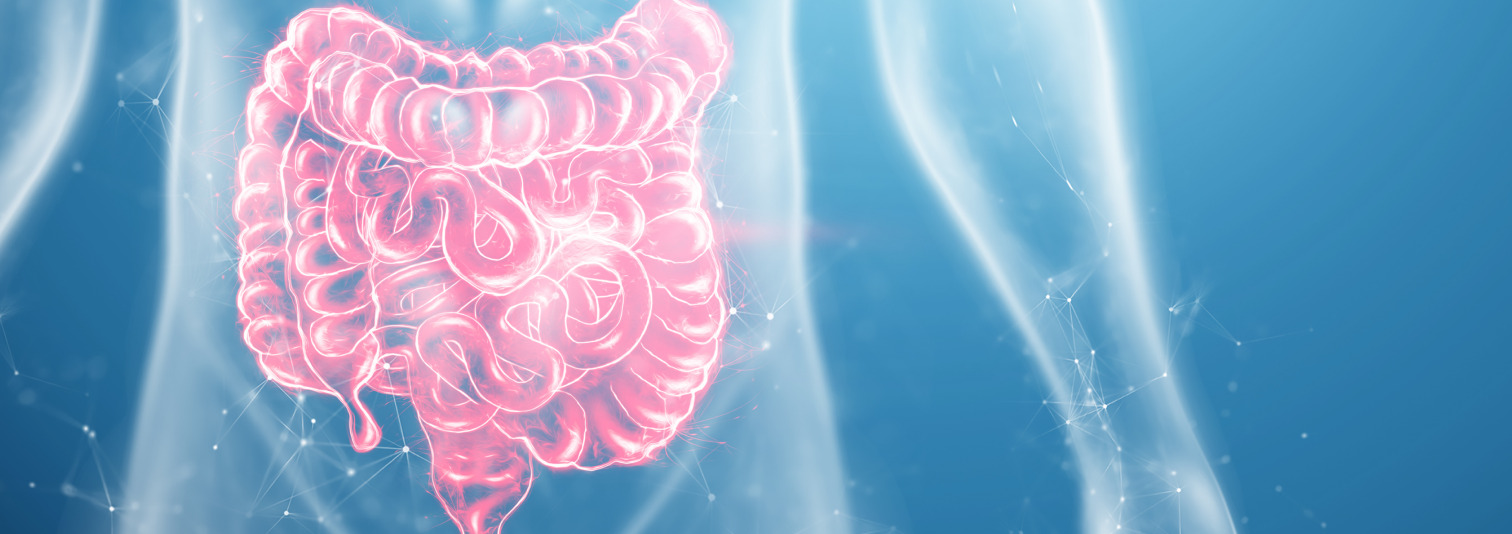
Today, scientists and doctors point to postbiotics as the most advanced, effective, and safe method for the prevention and restoration of the gut microbiota, as well as for the correction of intestinal dysbiosis.
Within the scientific community, there is no longer any doubt that the era of probiotics has come to an end, regarding their use in microbiota therapy for the prevention of gut microbiota and correction of intestinal dysbiosis. The same applies to prebiotics when used for the correction of intestinal dysbiosis.
It took almost 50 years after the probiotic revolution for modern technologies such as sequencing to develop, which helped the scientific and medical communities reach the conclusion that the human microbiota is strictly individual and unique for each person, like fingerprints. Each of us has our own, time-developed composition of microorganisms, which can be called a microbial identity card.
In early childhood, up to the age of 3, it is in the intestinal tract that the human immune system is formed. It develops together with the microorganisms inhabiting it. The immune system remembers those microorganisms that live in the body by their genomes (unique individual hereditary constitutions of the cells), like a special barcode. And after that—it’s over! The training mode is completed, the correct antibodies are created. From then on, any unknown strain with an unidentified genome that enters the body is automatically assessed by the immune system as foreign, and our entire organism, with all its mechanisms, begins to fight against it.
It was precisely the discovery that the human microbiome is strictly individual and unique that led to the decline of the probiotic era.
When taking probiotics, the probiotic strains they contain are also considered foreign to the recipient’s body, and the body, with all its mechanisms, begins to fight against them. As a result, their development is normally suppressed, eliminated, and naturally expelled from the body within 1-2 days. During their short stay, and under constant attack from the local immune system and native bacteria, the probiotic strains cannot produce sufficient quantities of enzymes and many other beneficial biological substances necessary for the well-being of the gut microbiota and the macroorganism as a whole.
Because of this, in 2012, the European Food Safety Authority (EFSA) issued a directive requiring probiotic manufacturers to remove from their leaflets and packaging, as well as from television advertisements, any claims that there are health benefits from taking probiotics. In 2014, the same order was issued by the U.S. Food and Drug Administration (FDA), which is considered one of the strictest national regulators in the world.
For prebiotics, the situation is a bit different. With a normal (unimpaired) microbiota, their preventive use makes sense, as they provide the necessary nutritional environment for the development of native bacteria. However, with dysbiotic (impaired) microbiota, the situation is different. Dysbiosis is characterized by a sharp decrease in beneficial bacteria and a sharp increase in harmful ones. Since the metabolism of bacteria is generally almost identical, prebiotics serve as a nutritional environment for both beneficial and pathogenic bacteria. Both will develop. Not to mention that pathogens generally develop more intensively. And since the pathogens are initially more numerous and develop more intensively, their numbers will increase significantly faster. Therefore, taking prebiotics in dysbiosis may lead to even more complications.
The efforts to find a selective prebiotic that would feed only beneficial bacteria have been as successful as the efforts to find a selective antibiotic that destroys only harmful bacteria. It simply turned out that such things either do not exist yet or cannot be found.
The use of synbiotics, which are a combination of probiotics and prebiotics, is analogous.
The further development of the probiotic idea for microbiota therapy began after 2010, with the emergence of postbiotics.
How did postbiotics emerge?
In the stalemate created by the use of pro- and prebiotics for correcting the gut microbiota and seeking a solution to the problem, scientists took a broader view of the situation. They asked themselves the only logical question: What is the purpose of using pro- and prebiotics in microbiota therapy? And they answered in the only possible way. The goal of using probiotics is for the probiotic strains they contain, during their development in the intestinal tract, to produce metabolites (enzymes, cellular bioproducts, and various biologically active substances) necessary for correcting the gut microbiota. The goal of using prebiotics is the same—to ‘feed’ the native beneficial bacteria, which, by increasing their population, produce additional metabolites needed to correct the gut microbiota. That is, pro- and prebiotics act only indirectly, while the metabolites they produce act directly. Therefore, it is not the bacteria themselves or the nutritional components that are needed to correct the gut microbiota and the well-being of the organism, but the metabolites produced by them.
And so the idea arose to provide the body directly with the metabolites produced by probiotic bacteria. Only, these are produced outside the body, in ideal laboratory conditions, in optimal nutrient media, and without any struggle with the immune system or other bacteria.
This is how postbiotics emerged.
Postbiotics are classified as natural postbiotics, i.e., they contain metabolites naturally produced by probiotic bacteria, and synthetic postbiotics, which contain synthetic analogues of some of the natural metabolites. Since synthetic postbiotics contain analogues of only a very small part of the naturally produced metabolites, their use is limited. Natural postbiotics are preferable.
The natural postbiotic contains metabolites of intestinal probiotic bacterial strains obtained during their cultivation and/or their lysates (inactivated whole cells) and structural elements (cellular particles and cell bioproducts). That is, the postbiotic contains all bioactive substances that probiotic bacteria would produce in the intestinal tract if favorable conditions for their development existed.
Postbiotic does not contain live microorganisms and does not require biocompatibility with the immune system. It promotes the growth of beneficial and suppresses the development of harmful microorganisms, and is also a source of nutrients and many other valuable substances for the intestinal mucosa and epithelium, as well as for the body as a whole.
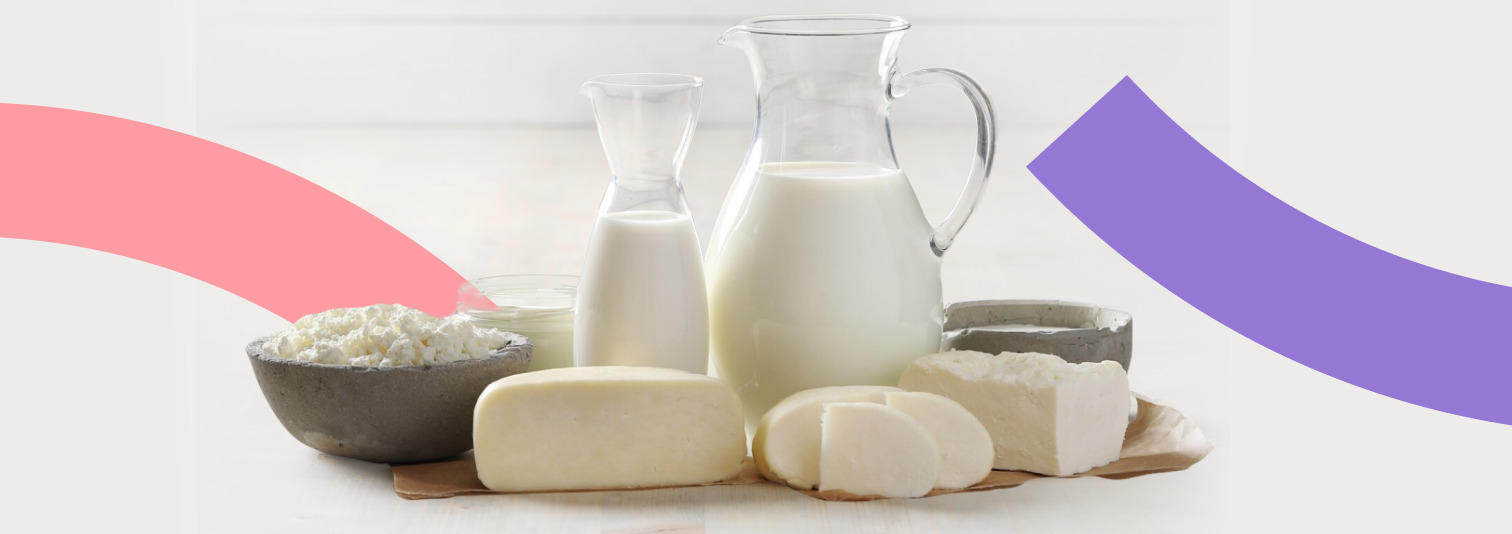
In fact, from a scientific perspective, postbiotic products are not something new, but have existed for centuries. All fermented products are a type of postbiotic. For example, yogurt. In addition to the two beneficial lactic acid bacteria, it also contains their metabolites, produced by them during the fermentation of milk. And considering that the bacteria die in the stomach due to gastric acid, only the metabolites reach the intestinal tract. All the miraculous benefits of yogurt are the result of the consumption of its metabolites, not the bacteria themselves.
The same applies to sauerkraut, pickles, pickled vegetables, and other fermented products. Cheese and yellow cheese also contain metabolites of lactic acid bacteria. Bread is also a type of postbiotic product because it contains the metabolites of yeasts and bacteria from the yeast or sourdough that ferments (rises) it. It can even be said that beer and wine are postbiotic beverages because they contain the metabolites of the yeasts that ferment them.
Moreover, from a modern point of view, it can be concluded that natural antibiotics are also a type of postbiotic preparation, as they are metabolites of the fungi or bacteria that produce them. For example, penicillin is a metabolite of the mold Penicillium chrysogenum, gentamicin is a metabolite of the bacterium Micromonospora purpurea, streptomycin is a metabolite of the bacterium Streptomyces griseus, etc. In other words, postbiotic products have been known since antiquity. And their benefits have been proven over generations. That is why scientists and doctors confidently point to postbiotics as a safe and effective means for correcting the gut microbiota. Of course, modern natural postbiotics are significantly more effective than postbiotic foods and beverages. First, their production uses the most important beneficial bacteria for the intestinal tract. Second, they are produced under ideal laboratory and manufacturing conditions and in optimal nutrient media for the respective bacteria. Third, modern technologies allow metabolites to be produced in much higher concentrations.
In conclusion.
We are witnessing a postbiotic revolution in microbiota therapy. Postbiotics are slowly but deservedly taking their rightful place in the fight against intestinal dysbiosis. They possess all the advantages of pro- and prebiotics, but none of their disadvantages. Postbiotics stimulate the growth of our own beneficial bacteria and activate our immune system. They supply our body with vital metabolites it lacks, suppress the development of pathogens, maintain the balance of the gut microbiota, strengthen the intestinal mucosa and epithelium, prevent intestinal inflammation, detoxify the body, reduce food intolerance and allergic reactions, provide necessary digestive enzymes, and regulate innate and adaptive immunity. Natural postbiotic is an exceptional immunomodulator and an indispensable ally in the fight against viral infections.
Its effect is indisputable when used during antibiotic therapy. It shows good results in allergic and dermatological manifestations. It resolves many different gastroenterological and immunological problems. In general, the preventive intake of a natural postbiotic will prevent many undesirable health problems. For example, in babies, especially those born by C-section and those who are formula-fed, it will contribute to the proper formation of their gut microbiota and immunity. In children, it will help maintain their immune system and proper growth. In teenagers, it will assist in strengthening their bodies and stimulate immunomodulatory functions. In adults, it will maintain all body functions at the proper level. In athletes, it will support proper metabolism and nutrient absorption. And so on.
Health is the most valuable thing, and taking care of it is of utmost importance. And natural postbiotics are exceptional helpers in accomplishing this mission.