



 Bestseller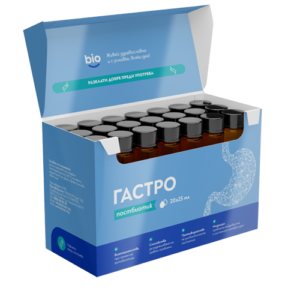

Abdominal pain and bloating: what is the connection and how can we relieve them?

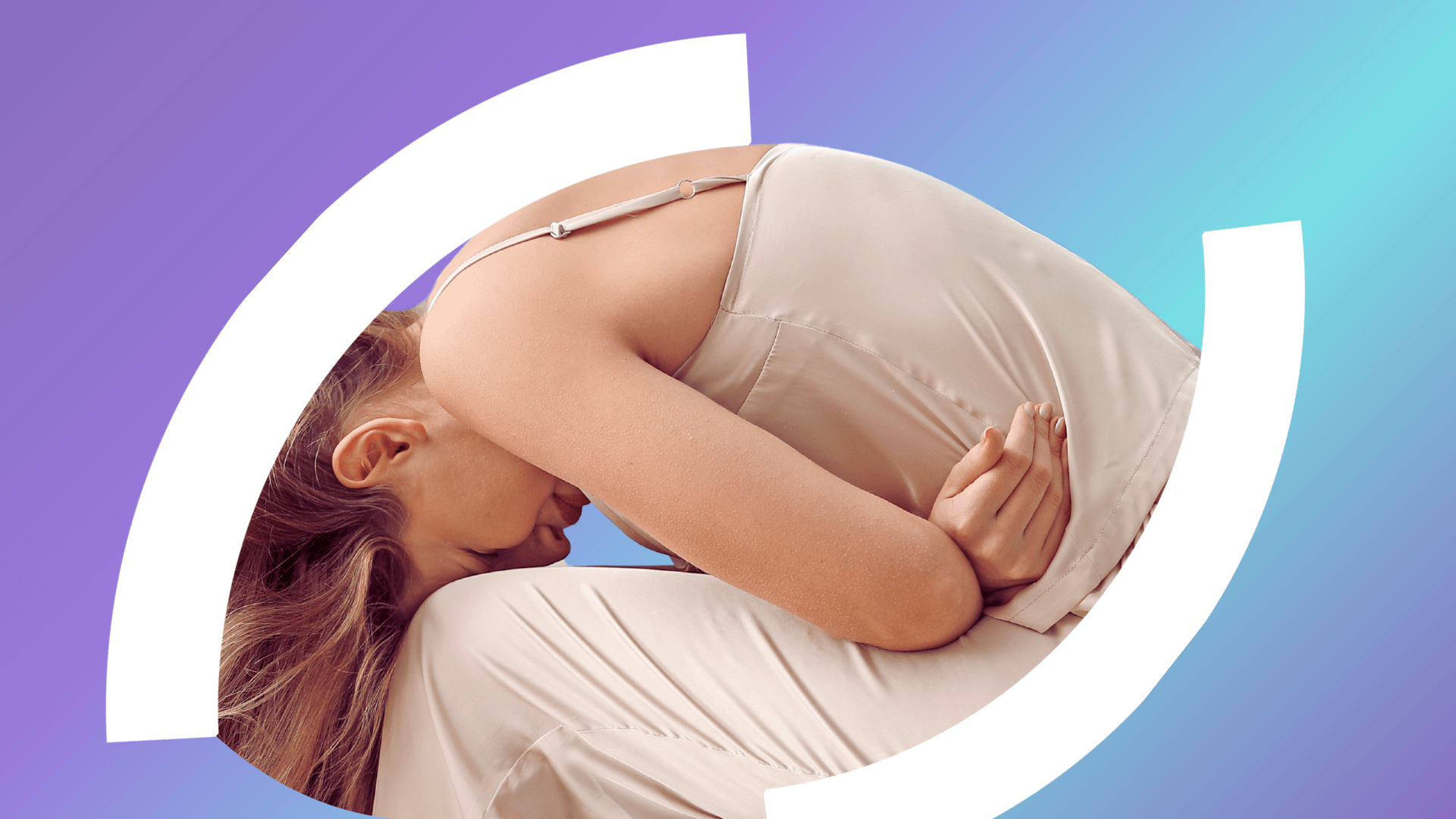
Imagine this: you come home from a long day at work, have dinner, and shortly after that, you feel that familiar tension. Your stomach feels like a stretched balloon, and a dull, sometimes sharp pain begins to throb. Abdominal pain and bloating are two unpleasant symptoms that often go hand in hand and can turn even the most peaceful evening into an ordeal. For millions of people around the world, this discomfort is a daily occurrence, but it doesn’t have to be that way.
Understanding the deep connection between these complaints is the first step to finding effective and long-lasting relief. In this article, we’ll look at why abdominal pain is often accompanied by bloating, what the main causes are, and most importantly, what practical steps you can take today to regain your comfort.
What is the connection between abdominal pain and bloating?
The relationship between abdominal pain and bloating is direct and mechanical, with one condition often leading to the other. Bloating is usually caused by an excessive build-up of gas, fluid, or undigested food in the gastrointestinal tract, which stretches the intestinal walls and creates a feeling of tension and heaviness. It is this stretching that activates pain receptors in the intestinal wall, leading to the cramping and discomfort we perceive as abdominal pain.
We can think of the digestive system as a complex network of pipes. When everything is working smoothly, the contents move smoothly. But if a "traffic jam" of gases forms, this increases the pressure inside the system. The abdomen swells, and the surrounding tissues and nerves respond to this pressure with pain. That's why relieving bloating almost always leads to a decrease in pain.
What are the most common causes of abdominal pain and bloating?
The causes of abdominal pain and bloating are extremely diverse and can range from everyday habits to more serious medical conditions. In order to find the right solution, we must first identify the root of the problem. In general, we can divide them into two large groups: dietary factors and medical conditions.
What eating habits cause abdominal discomfort?
What we eat and how we eat it have a huge impact on the health of our digestive system. Often, the cause of unpleasant bloating and the accompanying pain lies precisely in our plate or in our eating habits.
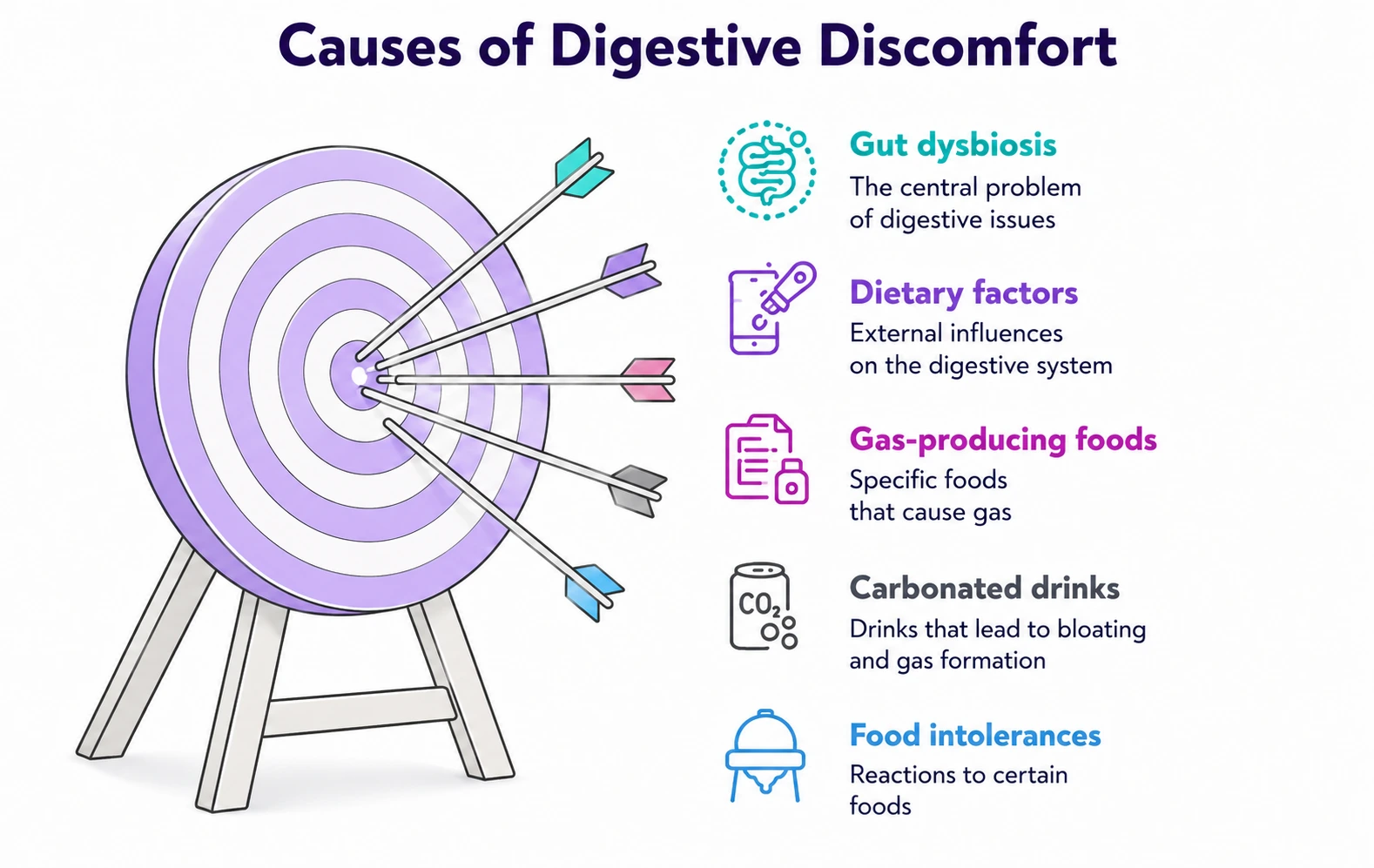
Some of the most common dietary "culprits" include:
- Gas-forming foods: Vegetables such as broccoli, cauliflower, cabbage, and legumes are extremely beneficial, but they contain specific carbohydrates that can ferment in the intestines and produce excess gas;
- Carbonated drinks and chewing gum: Swallowing air when drinking carbonated drinks or chewing gum can lead to a buildup of gas in the stomach and intestines;
- Overeating or eating too fast: When we eat quickly, we swallow more air, and when we overeat, we overload the digestive system, which slows down the processing of food and leads to fermentation;
- Food intolerances: Intolerance to lactose (milk sugar) or gluten are among the most common causes of chronic bloating, gas, diarrhea, and abdominal pain after consuming certain foods;
- Fatty and fried foods: They delay stomach emptying, which can lead to feelings of heaviness, bloating, and discomfort for a longer period of time.
Identifying these triggers by keeping a food diary is the first and most important step towards controlling symptoms and achieving relief.
What medical conditions lead to abdominal pain and bloating?
If dietary changes do not provide relief, abdominal pain and bloating may be a symptom of an underlying medical condition. These conditions often require a more specific approach and consultation with a doctor for proper diagnosis and treatment.
Some of the most common medical causes are:
- Irritable bowel syndrome (IBS): This is a functional disorder that affects the large intestine and is characterized by chronic abdominal pain, cramps, bloating, gas, and changes in bowel habits (constipation or diarrhea);
- Chronic constipation: Difficulty defecating leads to the retention of waste products in the intestines, which causes gas accumulation, bloating and severe discomfort;
- Gut dysbiosis: This is a condition of imbalance between the “good” and “bad” bacteria in the gut. The overgrowth of harmful microorganisms can lead to increased gas production, inflammation, and indigestion;
- Inflammatory bowel diseases (Crohn's disease and Ulcerative colitis): These are serious chronic inflammatory conditions that, in addition to pain and swelling, can cause bloody diarrhea, weight loss, and fatigue;
- Leaky gut syndrome: In this condition, the intestinal barrier is damaged, allowing toxins and undigested particles to enter the bloodstream, causing inflammation and a wide range of symptoms.
If your symptoms are severe, persistent, or accompanied by other worrisome signs such as unexplained weight loss, blood in the stool, or high fever, it is imperative that you seek medical attention.
How can we effectively relieve abdominal pain and bloating?
Relieving abdominal pain and bloating requires a comprehensive approach. Fortunately, there are many steps you can take to manage your symptoms and improve your quality of life, from lifestyle changes to targeted gut health support.
What lifestyle and dietary changes help?
Often the most effective solutions are the simplest. Integrating a few key changes into your daily routine can have a huge impact on reducing the frequency and severity of abdominal discomfort.
Here are a few proven strategies to try:
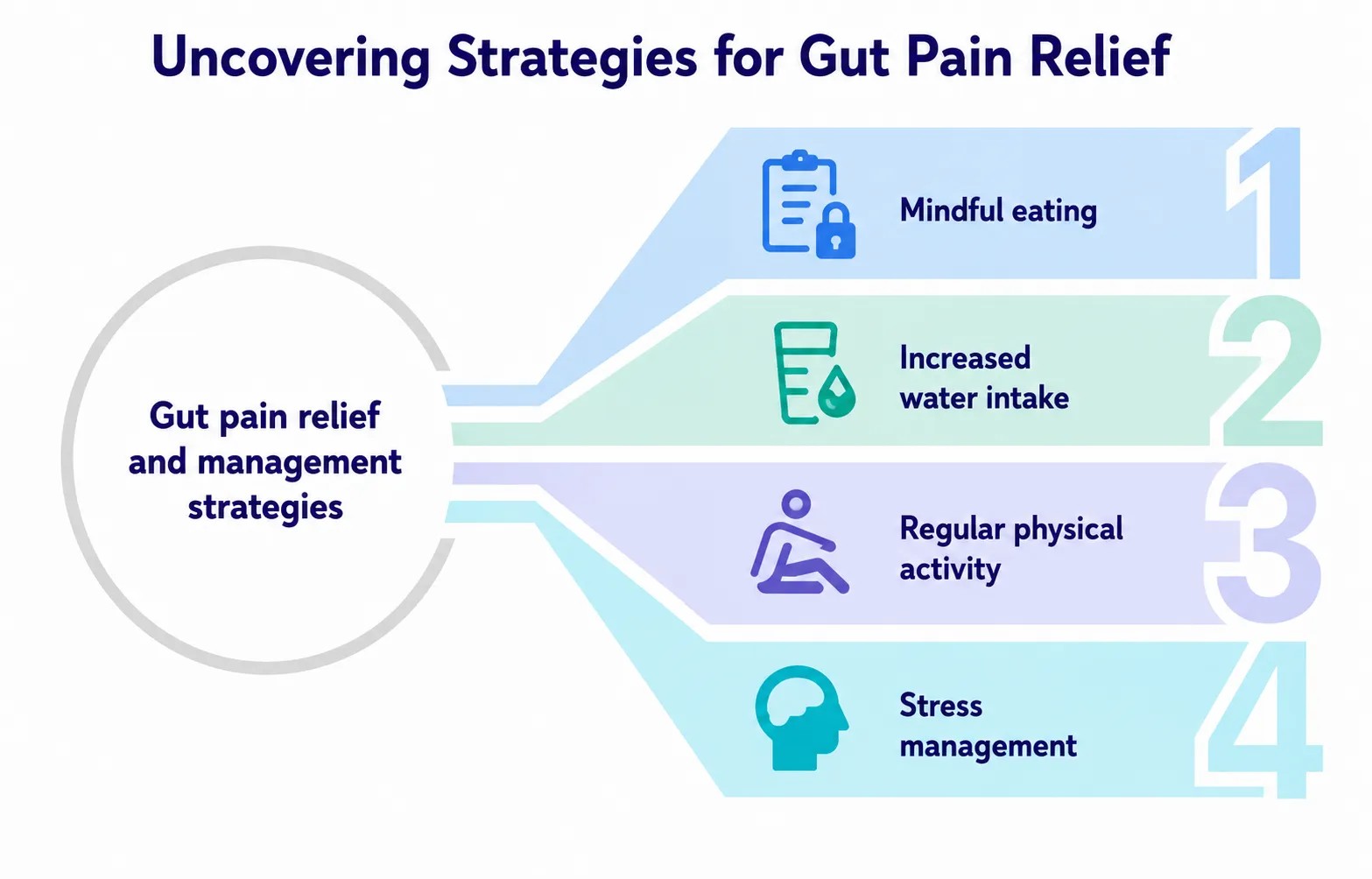
- Eat mindfully: Take your time to eat, chewing each bite slowly and thoroughly. This not only improves digestion, but also reduces the amount of air swallowed;
- Increase your water intake: Good hydration is key to normal peristalsis and preventing constipation, which is a major cause of bloating;
- Exercise regularly: Light physical activity, such as a 30-minute walk after meals, stimulates bowel movements and helps release retained gas;
- Reduce stress: Stress has a direct impact on the digestive system. Practices like yoga, meditation, or even short breathing exercises can calm the nervous system and relieve cramps.
These small but consistent lifestyle changes can bring significant and long-lasting relief from symptoms related to abdominal pain and bloating.
Which home remedies and herbs bring quick relief?
When discomfort strikes suddenly, there are a few tried-and-true home remedies that can offer quick relief. These natural helpers soothe the digestive tract and help reduce gas and cramping.
Try one of the following quick remedies:
- Ginger tea: Known for its anti-inflammatory properties, ginger helps soothe an upset stomach and improves digestion;
- Peppermint tea: Peppermint has natural antispasmodic properties that relax the muscles of the intestines and relieve the pain of gas and cramps;
- Chamomile tea: Chamomile has a calming effect on both the nervous system and the digestive tract, helping to reduce inflammation and discomfort;
- Warm compress: Placing a hot water bottle or warm towel on your abdomen can relax your abdominal muscles and reduce the feeling of pain and cramping.
These natural methods are a great way to deal with mild to moderate episodes of abdominal pain and bloating, but they do not replace the need to consult a doctor for more serious problems.
What is the role of the gut microbiota in dealing with bloating and abdominal pain?
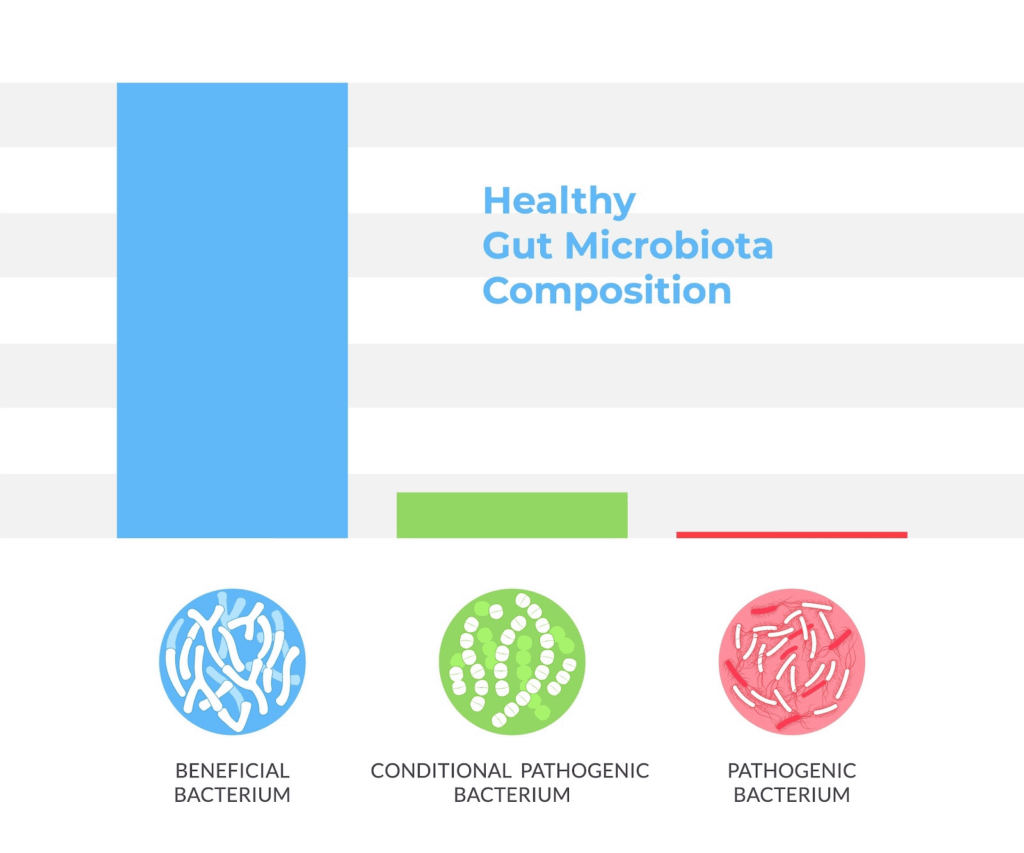
A growing body of scientific research confirms that the health of the billions of microorganisms in our intestines – the gut microbiota – is crucial to our overall health. A balanced microbiota is key to good digestion, a strong immune system and the absence of chronic discomfort such as abdominal pain and bloating.
How does gut imbalance (dysbiosis) cause problems?
Dysbiosis, or an imbalance in the gut flora, is a condition in which harmful bacteria outnumber good bacteria. This imbalance can be caused by stress, poor diet, antibiotic use, or infection, and is at the root of many digestive problems. When the microbiome is dysbiosis, harmful bacteria begin to ferment undigested carbohydrates, producing excess gasses like methane and hydrogen. This leads directly to bloating, cramping, and pain. Additionally, the imbalance weakens the intestinal barrier, which can lead to inflammation and increased sensitivity.
What are postbiotics and how do they help with stomach discomfort?
Postbiotics are an innovative and highly effective approach to restoring intestinal balance. Unlike probiotics (live bacteria), postbiotics are the end products of the activity of these beneficial bacteria – their metabolites. These are substances such as short-chain fatty acids, enzymes and peptides that directly nourish the cells of the intestinal wall, regulate the immune response and create a favorable environment for the growth of our own good bacteria.
| Type Biotic | Description | Benefits for pain and swelling |
| Prebiotics | "Food" for good bacteria (e.g. fiber). | They help the growth of beneficial flora, but can sometimes worsen swelling at first. |
| Probiotics | Live beneficial bacteria. | They deliver beneficial microorganisms, but their survival through stomach acids is not guaranteed. |
| Postbiotics | Active metabolites produced by probiotics. | They act immediately, do not contain live bacteria, are stable and directly nourish the intestinal mucosa, soothe inflammation and regulate digestion. |
Because postbiotics do not contain live bacteria, they are extremely safe and work faster, as they provide the nutrients our intestines need to recover and function properly.
If you are looking for targeted and scientifically proven support to restore intestinal balance to deal with persistent abdominal pain and bloating, modern science offers an effective solution. Bibiotic® Gastro is the first Bulgarian postbiotic, developed after more than 5 years of scientific work to maintain the health of the gastrointestinal tract. It contains 100% natural bacterial metabolites that help relieve bloating, regulate peristalsis and improve digestion.
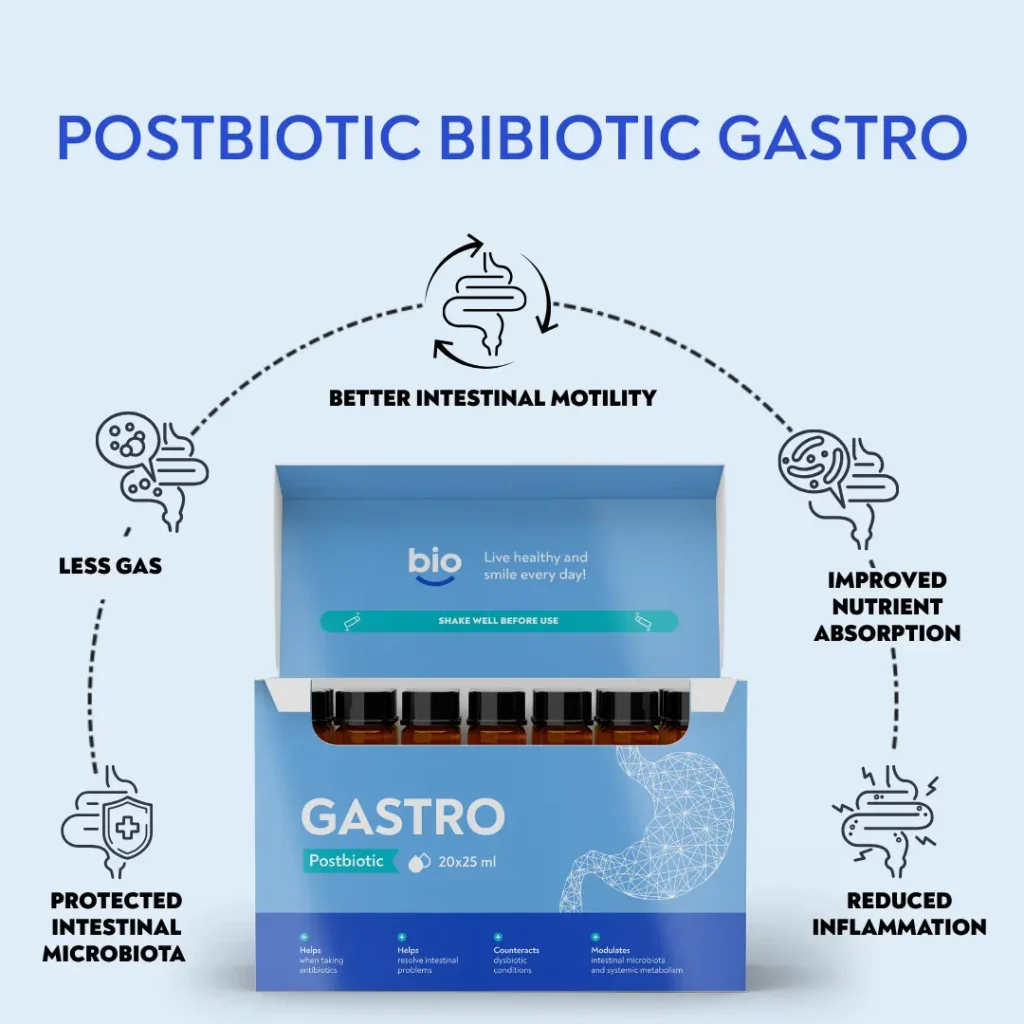
Relieves bloating and stomach discomfort – regulates digestion and peristalsis for easier and more comfortable digestion.
Restores intestinal balance – supports the growth of beneficial bacteria and limits harmful microorganisms.
Soothes inflammation and strengthens the intestines – reduces local inflammatory stress and strengthens intestinal barrier function.
The active metabolites in Bibiotic® Gastro soothe the intestinal mucosa, strengthen its barrier function and regulate the immune response, which is key in conditions such as irritable bowel syndrome, colitis and "leaky gut". It is also particularly useful during and after antibiotic treatment, helping to restore the microbiota more quickly. If you are ready to take the next step towards lasting relief and take care of your gut health from the inside out, you can learn more about Bibiotic® Gastro .
Frequently Asked Questions (FAQ)