



 Bestseller

Winter viruses – how to fight or prevent them?

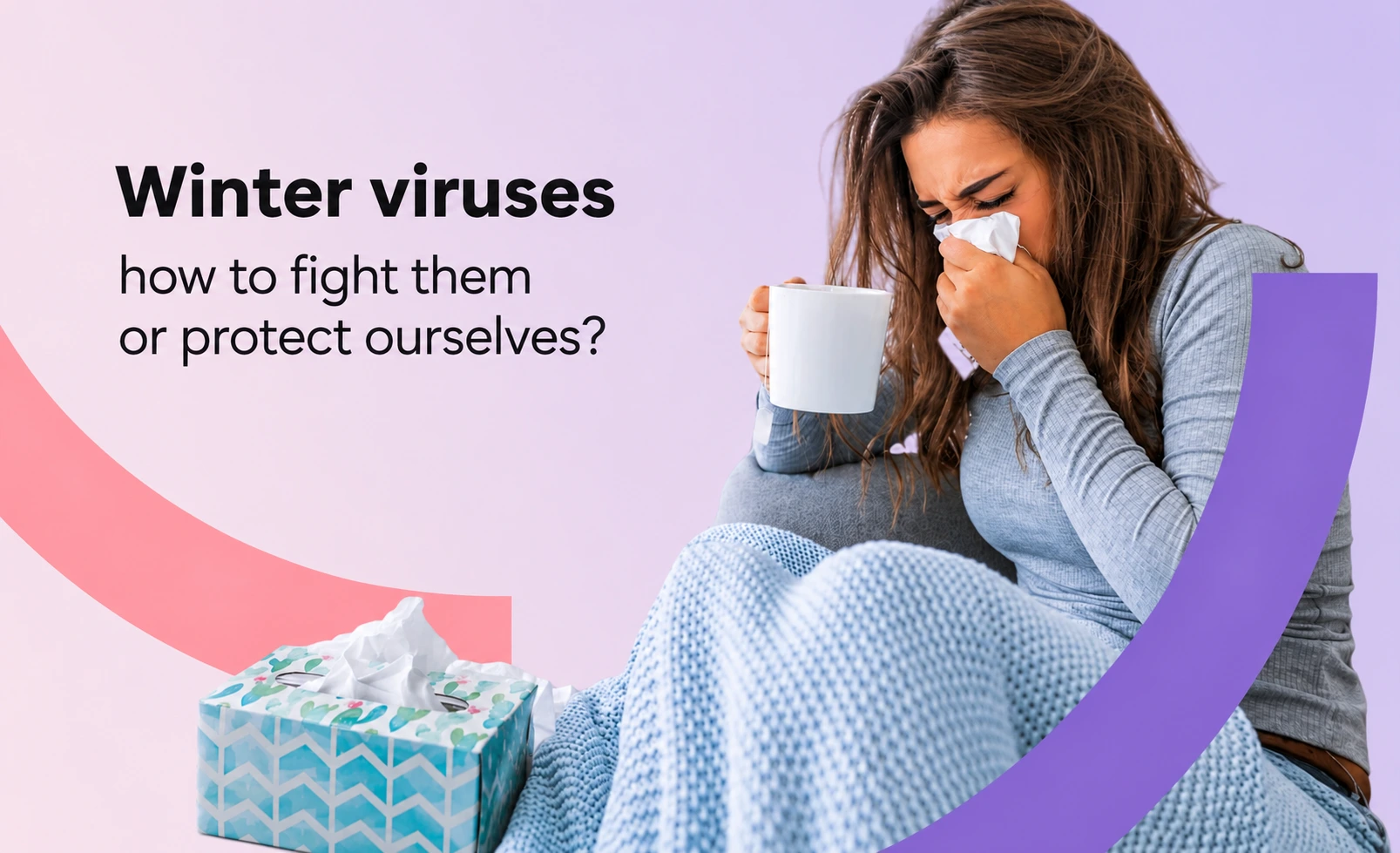
The most common viruses during the winter season are primarily influenza viruses (Influenza virus), coronaviruses (HCov) and respiratory syncytial viruses (RSV). They have a clear peak in incidence during the winter months and are therefore called winter viruses. They have existed among us since ancient times and cause respiratory diseases.
Unfortunately, there are very few strains of winter viruses for which we have specific effective antiviral medications. And even those that do not always help, are sometimes not tolerated, quickly develop resistance, and often show unwanted side effects.
For now, viral infections are not treated. They are dealt with by the human immune system. If the immune system receives help from outside, it will fight the disease faster.
For example. Vaccines are designed to provoke and strengthen the body's immune defense against the corresponding viruses by creating a "memory" in the immune system. They mimic natural infection, stimulating the immune system to develop a specific immune response. Most antiviral drugs, as a rule, are designed to activate immunity. Taking vitamins is also designed to stimulate it. Taking other drugs is only aimed at relieving symptoms - fever, cough, runny nose, diarrhea, etc. That is, the treatment of viral infections is expressed in activating and modulating the immune system.

During a flu or other viral infection, it is advisable to take POSTBIOTICS. It will provide the body with:
– immunological metabolites (negative regulatory signaling molecules, micro-RNAs, biosurfactants, teichoic acids, peptidoglycans, lipopolysaccharides, etc.) that stimulate the production of immunoglobulins and cytokines, activating innate and adaptive immunity;
– short-chain fatty acids (lactate, acetate, propionate, butyrate), which modulate local and systemic immunity;
– vitamins (B-complex vitamins, vitamin K), which keep the immune system strong and improve the number and function of immune cells, such as lymphocytes and macrophages;
– enzymes (protease, lipase, amylase, lactase, cellulase, pectinase, xylanase, etc.), breaking down complex nutrients into simple ones, aiming to use the body's energy instead of processing them to cope with the disease;
– antimicrobial metabolites (organic acids, hydrogen peroxide, lysozyme, bacteriocins, exopolysaccharides, etc.), which will reduce the possibility of a viral infection turning into a bacterial one.
Therefore, taking a postbiotic during viral infections will activate and modulate the immune system, helping to overcome the disease faster and without additional complications. Postbiotics are a proven effective antiviral drug. Usually "gets you back on your feet" in 1-2 days.
And using a postbiotic prophylactically during seasonal viruses will contribute to maintaining the immune system at the necessary level and protect the body from the development of viral infections.