



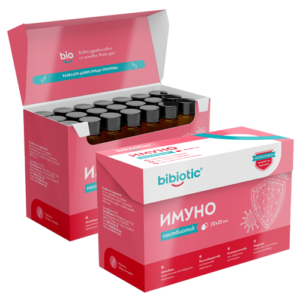
 Bestseller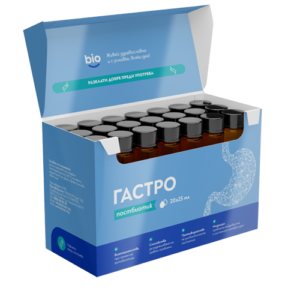

History of the creation of the postbiotic "Bibiotic"

Eng. Emil Velkov – founder of the company "EKOKOM Group" Ltd., which creates a bioenterprise "AUTOBIOTIC" for the production of innovative postbiotics "bibiotic".

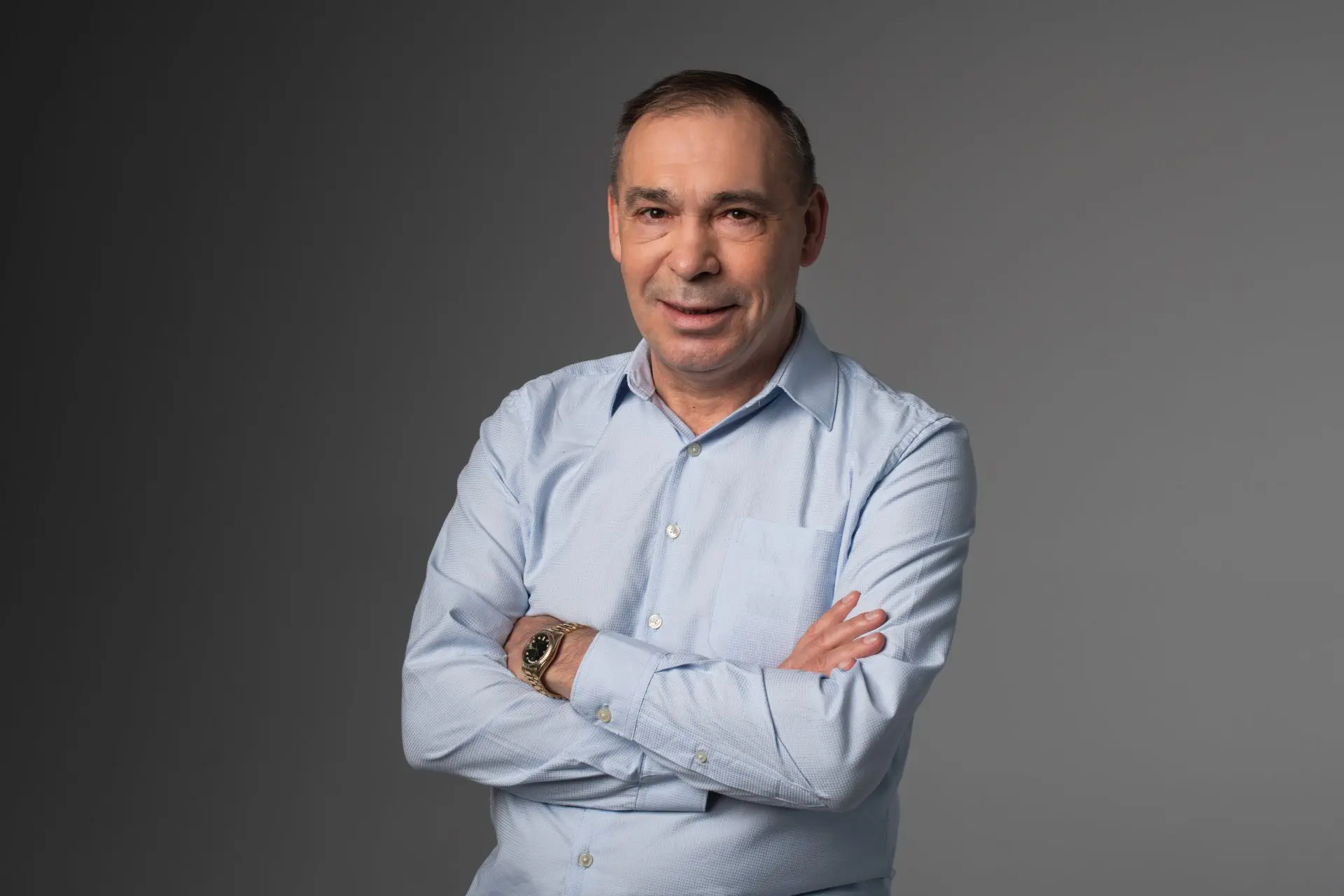

For 30 years, Eng. Emil Velkov has been managing a business for the development and implementation of technologies, equipment and starter cultures in dairy processing, and for 10 years for the production of probiotic and postbiotic products.
INTRODUCTION
The company "EKOKOM Group" was established in 1996. It is engaged in the development and implementation of technologies, equipment and starter cultures for the production of various dairy products. Dozens of technologies and a huge assortment of equipment and starter cultures have been developed, which have been implemented in hundreds of dairy processing plants in the country and abroad. In 2012, the company established a bioenterprise "AUTOBIOTIC" in the city of Pleven for the production of starter cultures for the production of probiotic dairy products. In 2017, a laboratory and production base equipped with the most modern equipment was established in the bioenterprise "AUTOBIOTIC" for the development and production of various probiotic products. In 2018, the development of a new type of "biotic" product began, namely POSTBIOTIC. After 5 years of hard work, in 2023, the preparation POSTBIOTIC with the so-called "bibiotic" was launched on the market.
How it all began
It all started in 1996. We had a dairy in the Vidin region. Dairy production is a biotechnological process in which various dairy products are produced with the help of various lactic acid bacteria. The process is as predictable as it is capricious. Capricious because bacteria, just like people, are very capricious. If they don't like something, they stop working and the corresponding dairy product is not obtained with the desired quality. And this is a real challenge. To learn to create suitable conditions for the respective bacteria for their development, to understand them, to feel them, if you want, even to communicate with them. And we fell in love with milk processing technologies. And with these invisible to the naked eye living creatures, on which almost everything depends not only in milk processing, but also in nature.
Probiotics – clinical studies
In 2015, our company decided to expand its activities to produce probiotics for animals. For this purpose, we created three different multi-species probiotics and hired a professional team of veterinary research associates to conduct clinical trials for their effectiveness on the health and growth of various animals, such as piglets, pigs, chickens, hens, rabbits, lambs, calves. After a year and a half of clinical trials and a serious financial investment, we received the effectiveness results, which showed that probiotics had no effect on the animals. And when we asked ourselves why, the answer appeared by itself. Because animals have evolved in such a way that no foreign bacteria “from outside” could survive “inside” their body. Otherwise, they simply would not exist.
For example, we all know what conditions pigs live in and that they can eat spoiled and contaminated food, which is full of all kinds of harmful and other microorganisms. What about herbivores, which graze on grass contaminated with all sorts of things? What about chickens, which peck at everything they come across? But they don't get sick and don't get sick. And they are alive and healthy. Therefore, all the "foreign" bacteria for them do not develop in their body.
Well, since bacteria that are foreign to them cannot develop in their body, why do we expect the probiotic bacteria contained in probiotics, which are also foreign to them, to develop? Of course they will not develop. Only their own bacteria develop in their body.
In humans, things are similar. The harmful bacteria that we consume with unprocessed products, such as fruits, vegetables, nuts, raw or raw-dried fish and meat products, also do not make us sick. That is, they do not develop in our body either. We have also evolved so that no foreign bacteria "from outside" can exist "inside" our body. In our body, only our own bacteria develop.
Another example. If we consume spoiled food, which contains many harmful microorganisms, we will get intestinal upset. But it is not because harmful microorganisms develop in our body, but from the harmful toxic substances that they have produced in spoiled food. That is why it is spoiled. But after a day or two, the upset will disappear, because the body will detoxify, and harmful microorganisms, as foreign, will be suppressed and destroyed by the immune system and in a day or two - they will be thrown out of our body. If harmful microorganisms developed in our body, the upset would never go away, because developing, they will constantly produce toxic substances and the body will not be able to detoxify. Therefore, they do not develop in our body.
Here too, the conclusion is the same. Foreign microorganisms, including the probiotic bacteria contained in probiotics, cannot develop in our body.
Of course, every rule has exceptions. In nature, there are various extremely aggressive microorganisms that the immune system can hardly or not fight off. They manage to displace our own bacteria and develop in their place in the body. This disrupts the balance in the microbiota and bacterial or fungal infections appear. Vaccines and antibiotics were created to overcome these conditions. But that's another topic.
Gut microbiota and probiotics
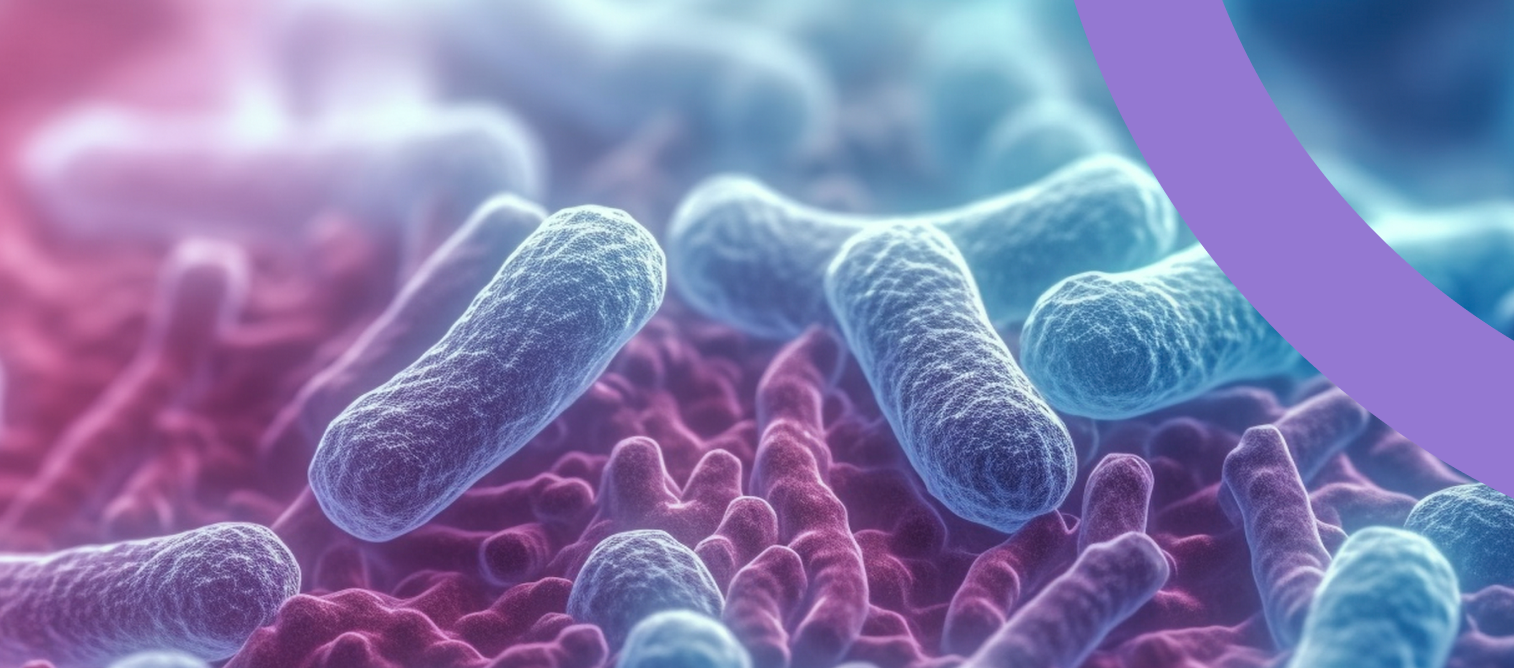
We have all heard about the intestinal microbiota (formerly "microflora") and the billions of beneficial bacteria in it. But not all of us know what these beneficial bacteria do in our body and how they help us. The answer is as complex as it is simple. Our beneficial bacteria break down nutrients in our intestines that are not broken down by our enzymes, turning them into other substances called metabolites. They have their own enzymes for this. With some of these metabolites they "feed", with others - they "communicate" with each other, with still others - they "protect" their population from other intestinal bacteria, with some - they support the well-being of their symbiotic "neighbors". And the rest they provide to us, supporting the well-being of the organism that shelters them and in return for the food and warmth provided to them. And this is their main function. To produce metabolites. And it is these metabolites, and not the bacteria themselves, that bring benefits to the body. Metabolites are various extremely valuable biologically active substances without which we cannot exist, just as we cannot exist without water, food, air, and gravity.
The task of probiotics is the same. The probiotic bacteria contained in probiotics, when exposed to the favorable conditions in our intestines, must produce metabolites with which to both increase and protect their population and contribute to the well-being of the organism that shelters them.
However, in order to develop and produce metabolites, they must settle in our intestines. And not just anywhere, but in the biofilm, which is located on the epithelial lining and where our own bacteria live. There is simply no other place where they can settle. The biofilm completely covers our intestines from the inside. But our own (resident) microbiota and local immune system do not allow any foreign microorganisms to settle in it. It cannot be otherwise. Otherwise, the biofilm would be constantly colonized by all sorts of different microorganisms, which would constantly disrupt the balance of our intestinal ecosystem. And in our body, for it to be healthy, as in nature, everything must be balanced. And the fate of the ingested probiotic bacteria is like that of all foreign microorganisms – to transit through the lumen of our intestines and naturally be expelled from our body. Usually within 1-2 days. Moreover, once our immune system recognizes foreign microorganisms, our entire organism, with all its mechanisms, begins to fight against them. As in the case of transplantation of donor organs and tissues. As a result, the organism will have a bacteriostatic effect on a large part of them and will inhibit them, i.e. it will stop their growth and reproduction, and on another part, it will have a bacteriocidal effect, i.e. it will destroy them.
The few probiotic bacteria that do manage to pass actively through our intestinal tract, and during their short transit time, will not be able to produce sufficient amounts of metabolites necessary to contribute significant benefits to the body. And the effect of the probiotic on health will be minimal or non-existent.
Postbiotic – a new approach in microbiota therapy
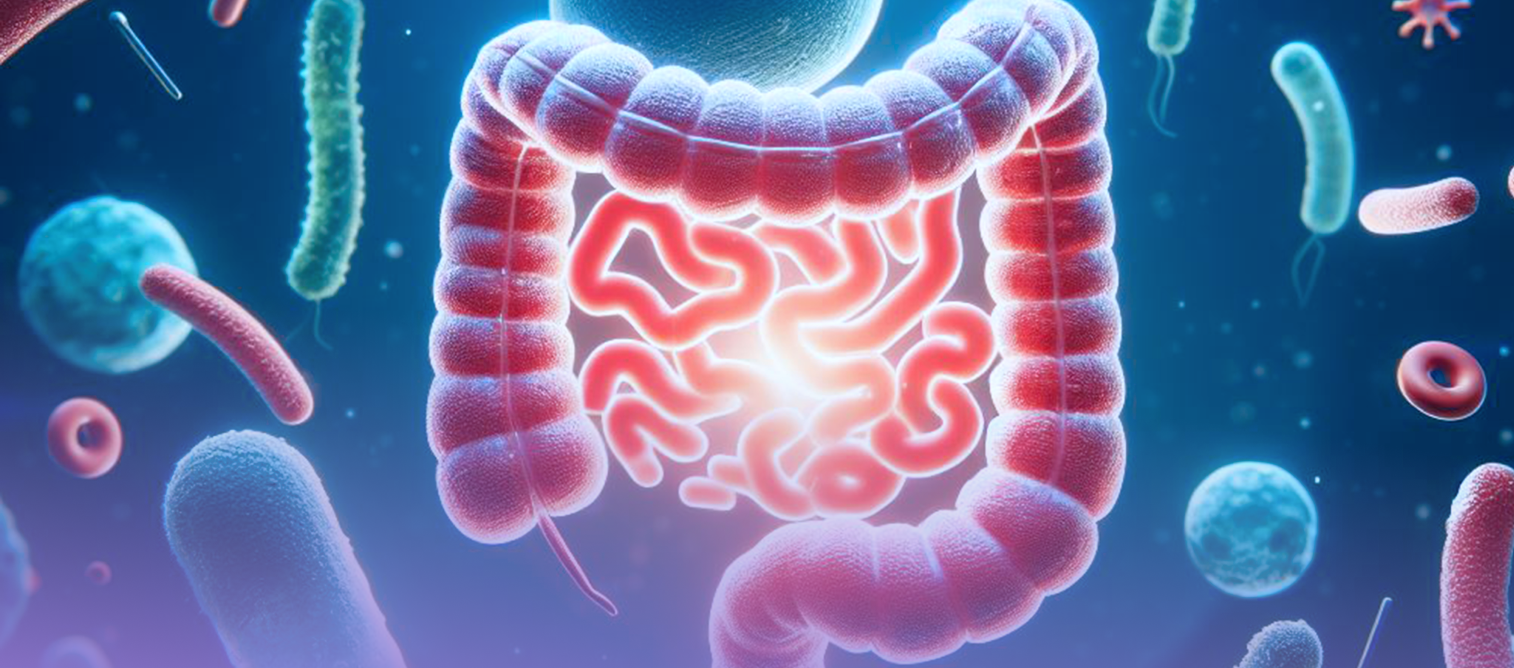
In 2016, the company came up with the idea of developing a product that would eliminate the disadvantages of probiotics. This led to the concept of providing the body, instead of live probiotic bacteria struggling to produce metabolites in the unfavorable conditions of the gastrointestinal tract for them, with metabolites directly produced by them. Only produced outside the body, in ideal production conditions, in optimal nutrient environments and without any fight with any immune system and various other bacteria. In addition to metabolites, however, the idea was also born, along with them, to provide the body with inactivated, i.e. intentionally killed probiotic cells of bacterial strains, also called "lysates", because they also contain extremely beneficial biologically active substances for the body.
Thus, the concept of developing and producing the postbiotic “bibiotic” emerged. The term postbiotic is a combination of the term “post”, a prefix meaning “after”, and the term “biotic”, defined as “related to or arising from living organisms”. Together, these two terms define the meaning of the term postbiotic as “after life”. And the logo bibiotic is a combination of the prefix “bi”, meaning double, and the term “biotic”, i.e. double biotic, because the postbiotic “bibiotic” contains both the metabolites and lysates of the probiotic bacteria that produced them.
In 2017, at the bioenterprise "AUTOBIOTIC", we created a laboratory and production facility, equipped with state-of-the-art equipment, for the development and production of postbiotic products.
It took us about a year to develop the technology, but it took us more than 4 years to perfect the product and make it actually work. The main problem was that the product was new, innovative and without analogues. Without practical experience and even theoretical knowledge of its production. Everything was done on the principle of trial and error. It was difficult, but on the other hand – a real challenge. Therefore, when the first positive results appeared, the satisfaction was indescribable.
The postbiotic "bibiotic"
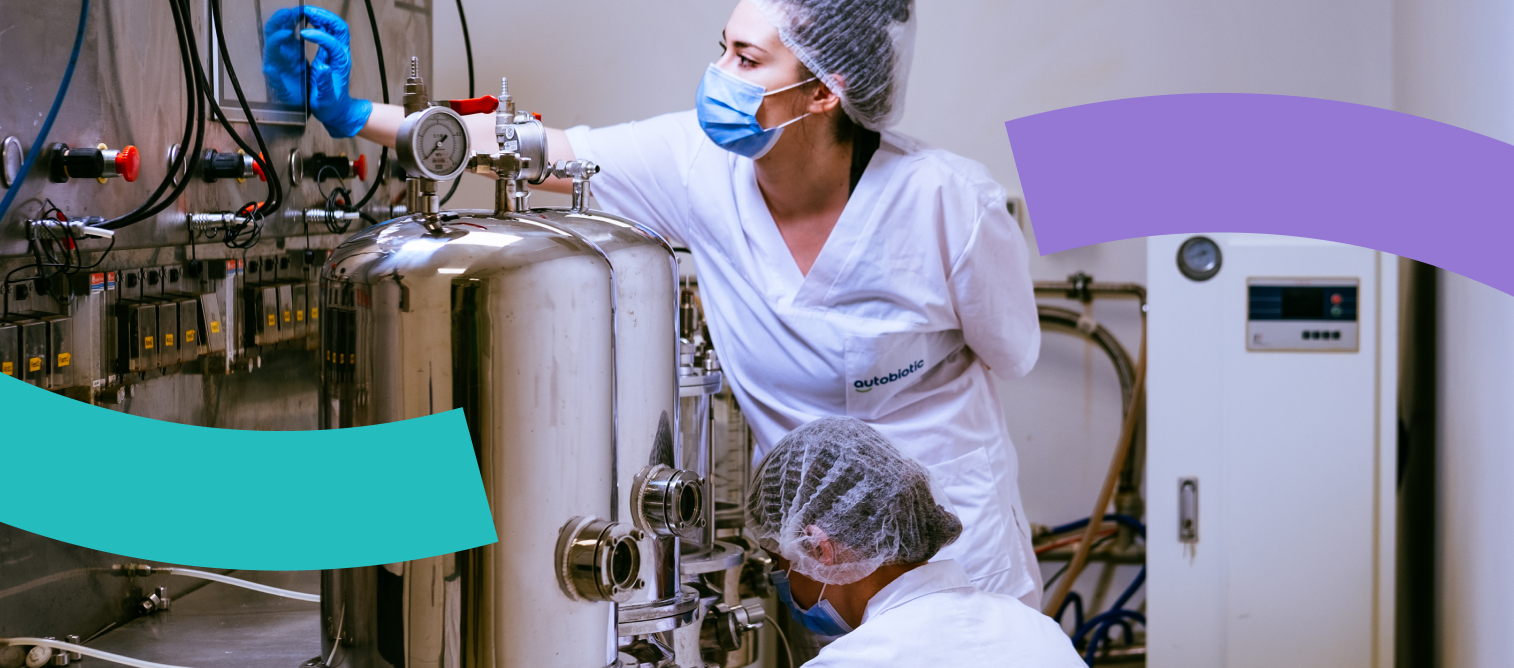
The postbiotic “bibiotic” is produced in special bioreactor units, where we cultivate selected intestinal probiotic strains in specially prepared nutrient media containing all the nutrients necessary for their development. In the bioreactor units, the optimal conditions for the bacterial population are maintained, such as temperature, anoxic environment, a certain concentration of carbon dioxide, stirring frequency, etc. There, using various technological techniques and tactics, we force the probiotic strains to produce both the maximum possible variety and the maximum possible amount of metabolites. For example, we feed them for a certain time, keep them hungry for a certain time, stress them for a certain time, repopulate them for a certain time, etc. Thus, in different conditions, they produce different valuable metabolites. And the more different and more the metabolites are, the more effective the postbiotic is. After they produce all possible metabolites, we concentrate the metabolites, and inactivate the probiotic bacteria, i.e. kill them. As live, probiotic bacteria will not contribute benefits to the body, because as I have already noted, as foreign to the body, they cannot colonize it and develop in it. However, inactivated, they will provide the body with their cellular bioproducts, which contain many different biologically active substances, such as DNA, RNA, enzymes, biosurfactants, teichoic acids, peptidoglycans, polysaccharides, etc., which also provide significant health benefits.
That is, the postbiotic "bibiotic" contains all metabolites produced by selected intestinal probiotic bacterial strains, as well as their inactivated cells, particles and bioproducts thereof.
The postbiotic “bibiotic” does not contain live microorganisms.
The postbiotic "bibiotic" is a 100% natural and naturally created product from probiotic bacterial strains. It does not contain preservatives or synthetic substances. It is created without the use of genetically modified organisms. It meets all the conditions for an effective postbiotic. In addition, bibiotic is a concentrated product, which greatly improves its effectiveness. It is in liquid, not dry form, for its more correct distribution on the surfaces of the body and its easier absorption.
All ingredients of the postbiotic "bibiotic" are broken down into substances that are fully digestible for the body and intestinal microbiota. Therefore, it is absorbed completely and quickly.
There are no special storage requirements. Store at room temperature. Its shelf life at room temperature is 2 years.
Ingredients of the postbiotic “bibiotic”
- Metabolites:
Nutrients (amino acids, peptides, monosaccharides, trace elements, vitamins, etc.) - they are a source of nutrients necessary and easily digestible for the body.
Nutritional-anti-inflammatory (short-chain fatty acids) – they supply essential nutrients and anti-inflammatory substances to the cells of the colon. They maintain the balance of the intestinal microbiota and the water-electrolyte balance of the intestine. With their power, they activate local and systemic immunity.
Digestive (enzymes) – they break down complex nutrients into simple ones so they can be easily absorbed by the body.
Detoxifying (acetaldehyde dehydrogenase, exopolysaccharides, bifidofactors, antioxidants, etc.) – they metabolize xenobiotics or, simply put, break down foreign and dangerous chemicals in the human body, destroy carcinogens and metabolites that cause unwanted mutations.
Antimicrobials (organic acids, hydrogen peroxide, antibiotic-like substances, bacteriocins, etc.) – they suppress the activity and population of pathogenic microorganisms and support the development of beneficial bacteria.
Immunological (negative regulatory signaling molecules, micro-RNAs, immunomodulatory metabolites, etc.) – they stimulate the production of immunoglobulins and cytokines that regulate innate and adaptive immunity.
Neurotransmitters (neurotransmitters, such as serotonin or conventionally called the "hormone of happiness and joy", dopamine or - "hormone of pleasure and motivation", acetylcholine or "teacher of muscle activity" and gamma aminobutyric acid (GABA) or "controller of fear and anxiety" and various compounds that can bind to receptors expressed in the brain, such as indoles and bile acids) - neuroactive compounds that act on both the intestinal and central nervous systems and have the potential to modulate behavior and mental activity.
- Lysates and structural elements of probiotic cultures (DNA, RNA, biosurfactants, teichoic acids, peptidoglycans, polysaccharides, etc.) – regulate gene expression, destroy pathogen biofilms and prevent the formation of new ones, balance the immune response to pro-inflammatory cytokines, stimulate the activity of macrophages, exert anti-inflammatory activity, and strengthen the intestinal epithelial barrier.
Benefits of postbiotics "bibiotic"
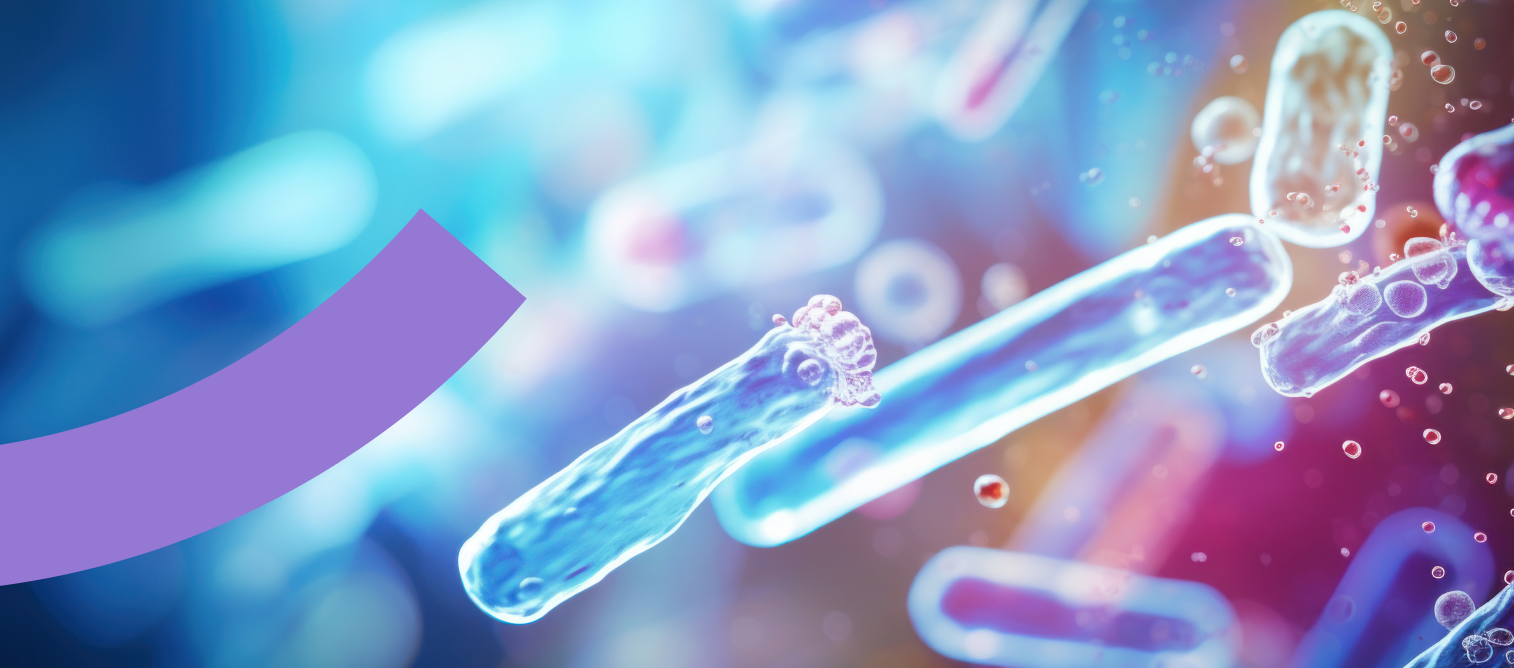
The postbiotic "bibiotic" acts directly by supplying the body with all the valuable substances that, under ideal conditions, its own probiotic bacteria should produce. As well as all the valuable substances that are found in the bacteria themselves.
The postbiotic "bibiotic" has five main mechanisms of action, contributing benefits to the body:
- modulation of the resident microbiota;
- improving epithelial barrier functions;
- modulation of local and systemic immune responses;
- modulation of systemic metabolic reactions;
- systemic signaling through the nervous system.
Using the postbiotic “bibiotic”
"Bibiotic" can be used as a primary or auxiliary therapeutic agent in many cases.
Viral infections. Viral infections are not treated. The human immune system copes with them. If the immune system receives help from the outside, it will fight the disease faster.
For example. Vaccines are designed to provoke and strengthen the body's immune defense against the corresponding viruses by creating a "memory" in the immune system. They mimic natural infection, stimulating the immune system to develop a specific immune response. Most antiviral drugs, as a rule, are designed to activate immunity. Taking vitamins is also designed to stimulate it. Taking other drugs is only aimed at relieving symptoms - fever , cough, runny nose , diarrhea , etc. That is, the treatment of viral infections is expressed in activating and modulating the immune system.
The postbiotic “bibiotic” is a powerful immunomodulator. And perhaps this is one of its most valuable qualities. As such, it is extremely effective against all types of influenza viruses, coronaviruses and other viral infections and can be used as a primary therapeutic agent. Practice shows that the postbiotic “bibiotic” is an extremely effective antiviral drug and in viral infections it gets you back on your feet in a day or two. In addition, it reduces the likelihood of a viral infection developing into a bacterial one.
As an immunomodulator, it is also indicated for a compromised immune system.
Antibiotic therapy. Antibiotics are necessary to combat bacterial infections. Without them, we would have difficulty dealing with harmful bacteria. But along with the destruction of harmful ones, antibiotics also destroy our beneficial bacteria. They decrease and, accordingly, the amount of metabolites produced by them that are valuable for health is also reduced. This leads to the appearance of intestinal dysbiotic conditions, such as antibiotic-associated diarrhea, abdominal pain and cramps, abdominal discomfort, bloating, heaviness, nausea, etc. In addition, proper digestion and absorption of substances is disrupted. The immune system weakens and the body becomes susceptible to the development of other diseases. Taking a probiotic will not help, because the antibiotic will also destroy its probiotic bacteria.
Postbiotic "bibiotic" is extremely effective in antibiotic therapy. Antibiotics do not work on it. It will compensate the body with valuable metabolites that are lacking due to taking antibiotics, activate the immune system and prevent the appearance of unwanted intestinal manifestations. "Bibiotic" will also provide the body with antibacterial metabolites that will reduce the possibility of a bacterial infection developing into a fungal one. In addition, the postbiotic "bibiotic" will improve the intestinal barrier, thereby limiting the possible penetration of toxins into the body and the appearance of additional complications. And its intake after antibiotic therapy will help to quickly and qualitatively restore the balance of the intestinal microbiota.
Allergic and dermatological manifestations. The postbiotic "bibiotic" is effective in various allergic and dermatological manifestations because it improves the functions of the epithelial barrier and thus prevents intoxication of the body, supports its detoxification, corrects its own microbiota and regulates the immune system. For example, in dermatological problems such as acne and atopic dermatitis it shows very good results.
Food intolerance . In case of food intolerance, the postbiotic "bibiotic" will supply the body with the missing enzymes that the body cannot produce itself, but are necessary for the breakdown of the relevant nutrients. For example, in case of lactose intolerance. It will supply the body with the enzyme lactase, which will help to break down lactose and overcome lactose intolerance.
Digestive problems. The postbiotic “bibiotic” will solve digestive problems, such as abdominal discomfort, bloating, heaviness, indigestion, etc., as it regulates intestinal metabolism and microbiota and helps break down and absorb substances. Reviews of its use for bloating, the eternal problem in women, are extremely positive.
Gastroenterological problems. In case of gastroenterological problems, the postbiotic “bibiotic” will help to resolve them by bringing order to the functioning of the intestinal ecosystem and immunity and contributing to the restoration of the intestinal mucosa and epithelium. We already have observations of its effectiveness in more serious gastroenterological diseases, such as diverticulitis and ulcerative colitis.
And in general, the postbiotic "bibiotic" shows serious effectiveness in almost all intestinal and immunological problems .
Preventive. The greatest value of the postbiotic “bibiotic” is its prophylactic use. It will contribute to the well-being of one’s own microbiota, the proper functioning of the intestinal tract and maintaining the immune system at the proper level, as well as prevent the occurrence of many undesirable processes in the body.
Health is the most valuable thing in a person's life. Don't put it off until "later." Take care of it in a timely manner, especially preventively.