



 Bestseller

Why postbiotic and not probiotic?

Why do we take probiotics?
We all know what probiotics are and have heard about the billions of beneficial bacteria in them. But not all of us know what these beneficial bacteria are supposed to do in our bodies and how they help us.
By taking a probiotic, its probiotic bacteria enter our intestines, where they find the right temperature and moisture for their development. And like all living things, they begin to look for ways to increase their population and preserve their species. But for this, in addition to the optimal temperature and moisture, they also need nutritional components. And in our intestines are nutrients that are not absorbed by the body and not broken down by our enzymes. However, in order for probiotic bacteria to start absorbing them, they must break them down into suitable nutritional elements for them. They have their own enzymes for this. Therefore, probiotic bacteria break down the remnants of nutrients, turning them into other substances called metabolites. With some of these metabolites, they “feed”, with others - they communicate with each other, with still others - they protect their population from other intestinal bacteria, and the rest provide us with food and warmth in return for shelter. Or in short. Being in the intestinal tract, in order to exist, probiotic bacteria produce metabolites. And this is their main function. And it is these metabolites, not the bacteria themselves, that bring benefits both to them and to our microbiota and organism as a whole.
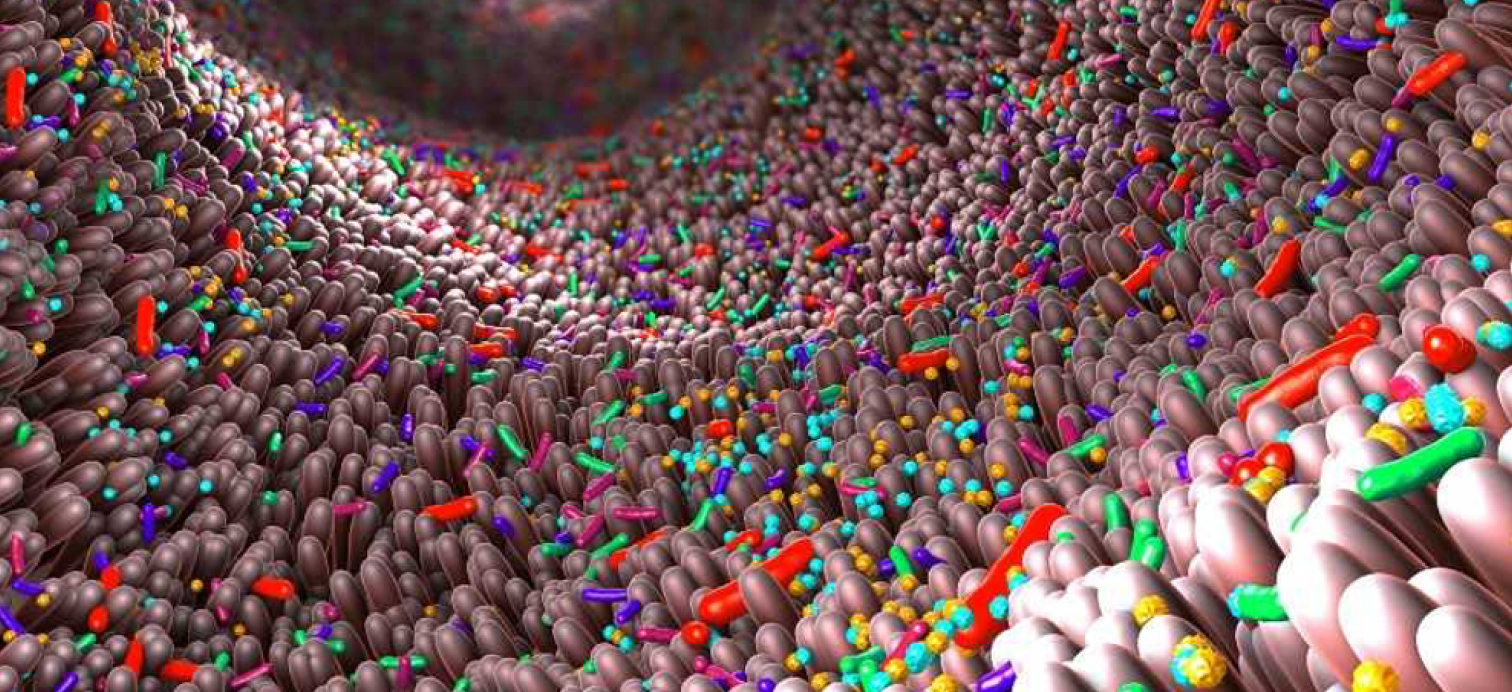
Probiotic bacterial metabolites.
Metabolites represent hundreds of different valuable biologically active substances. They can be conditionally divided into seven groups.
- Digestive (enzymes) – break down complex nutrients into simple ones so they can be absorbed by the microbiota and the body.
- Nutrients (amino acids, peptides, monosaccharides, vitamins, etc.) - are a source of nutrients necessary and easily digestible for the microbiota and the body.
- Nutritional-anti-inflammatory (short-chain fatty acids) – a source of essential nutrients and anti-inflammatory substances for the cells of the colon. They maintain the balance of the intestinal microbiota and the water-electrolyte balance of the intestine. They activate local and systemic immunity.
- Detoxifying (acetaldehyde dehydrogenase, exopolysaccharides, bifidofactors, antioxidants, etc.) – metabolize xenobiotics, destroy carcinogens and mutagenic metabolites.
- Antimicrobial (organic acids, hydrogen peroxide, lysozyme, bacteriocins, bacteriocin-like substances, etc.) – suppress the activity and population of pathogenic microorganisms and support the development of beneficial bacteria.
- Immunological (negative regulatory signaling molecules, micro-RNAs, immunomodulatory metabolites, etc.) – stimulate the production of immunoglobulins and cytokines that regulate innate and adaptive immunity.
- Neurosignaling (neurotransmitters, such as serotonin, dopamine, acetylcholine and GABA and various compounds that can bind to receptors expressed in the brain, such as indoles and bile acids) – neuroactive compounds that act on both the gut and central nervous systems and have the potential to modulate behavior and cognitive function.
However, in order to develop and produce metabolites, the bacteria contained in probiotics must settle in our body. And not just anywhere, but in the biofilm, which is located on the mucosa of the epithelium of our intestines and where our own bacteria live. There is simply no other place where they can settle. The biofilm completely covers our intestines from the inside. But our own (resident) microbiota and local immune system do not allow any foreign microorganisms into it. It cannot be otherwise. Otherwise, all kinds of harmful and other microorganisms would settle in the biofilm, which would disrupt our intestinal ecosystem. And the fate of the probiotics taken is like that of all foreign microorganisms – to transit through the lumen of our intestines, forming small groups of free-floating (planktonic) bacteria and naturally being expelled from our body. Furthermore, our immune system, as well as antimicrobial metabolites produced by our own microbiota, will both suppress their development and destroy the majority of them.
Precisely because of this, the few probiotic bacteria that manage to pass actively through our intestinal tract and during their short transit time will produce insufficient metabolites. And the effect on health from them will be minimal, or there will be none at all.
To compensate for the shortcomings of probiotics and improve probiotic therapy, a new type of probiotic preparations has appeared in recent years – POSTBIOTICS .
What is POSTBIOTIC?
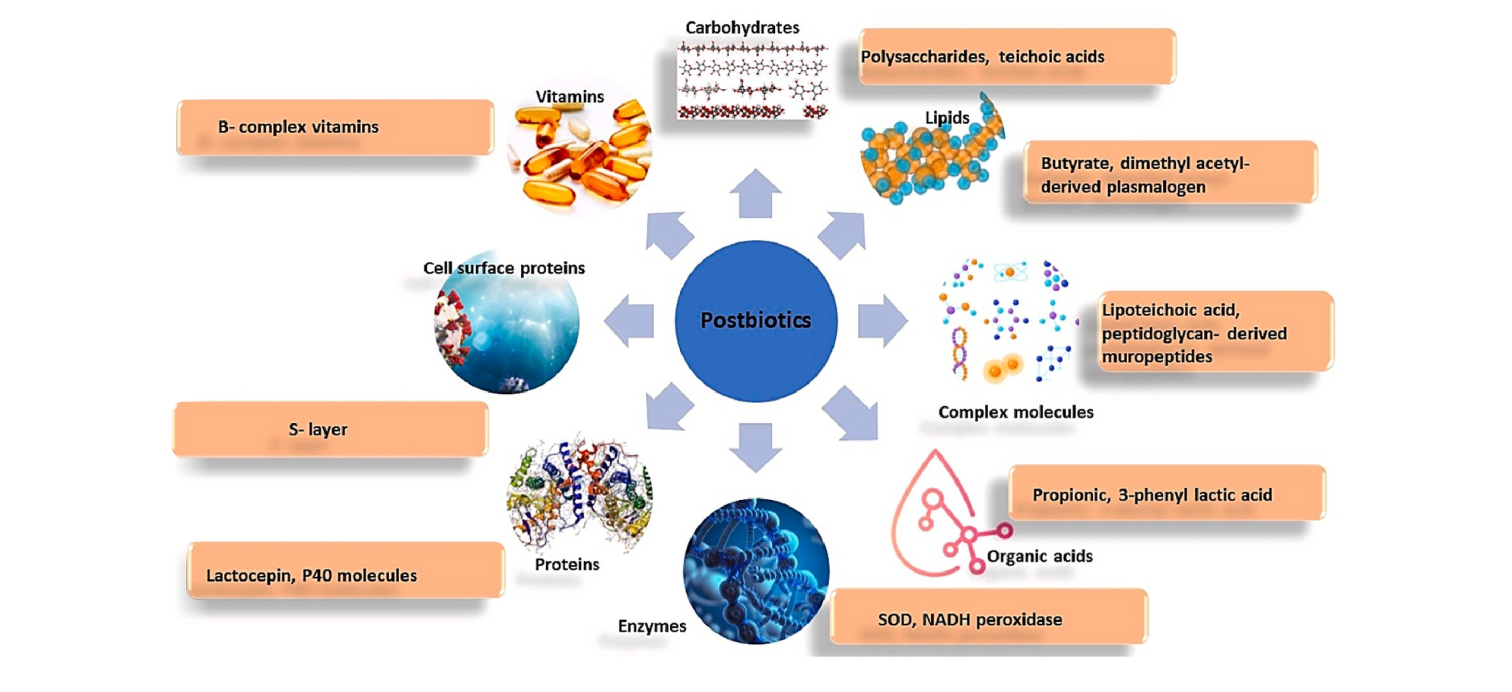
Postbiotics contain all of the metabolites listed above. But, produced by probiotic bacteria outside the body, in the comfortable conditions of special bioreactor installations, in an environment containing the nutrients necessary for their population and without conflict with immune systems and resident microbiota. And in a concentrated form.
In addition, postbiotics also contain inactivated (intentionally killed) cells of probiotic bacteria, also called lysates , as well as their structural components (cell particles, cell wall particles, cellular bioproducts, etc.). They represent many different biologically active substances, such as DNA, RNA, enzymes, cytoplasmic proteins, biosurfactants, teichoic acids, peptidoglycans, polysaccharides, etc., which also have significant health benefits.
Postbiotics do not contain live microorganisms.
Why postbiotic and not probiotic?
Because by taking a postbiotic, the body directly receives all of these metabolites that the probiotic bacteria contained in probiotics cannot produce in sufficient quantities due to the existing unfavorable conditions for them in the intestinal tract.
The effects of postbiotics are realized at different levels in the macroorganism: molecular (gene replication and expression, transcription and translation of genetic information), cellular (on the surface and membranes of cells, protein and energy biosynthesis in mitochondria and ribosomes), inside the hyaloplasm of cells (localization of the nucleus, organelles and inclusions), in the extracellular matrix, in tissues, organs, systems and in the entire organism.
The International Scientific Association for Probiotics and Prebiotics (ISAPP) postulates five mechanisms of action that promote postbiotic efficacy: modulation of the resident microbiota; improvement of epithelial barrier functions; modulation of local and systemic immune responses; modulation of systemic metabolic reactions and systemic signaling through the nervous system.
What problems are postbiotics effective for?
Postbiotics are proven to be phenomenal immunomodulators . And perhaps this is one of its most valuable qualities. It is extremely effective against all types of influenza viruses, coronaviruses, respiratory syncytial viruses and other viral infections. As well as against a compromised immune system.
During antibiotic therapy , taking a postbiotic is more than necessary because it compensates for the deficiency of metabolites that have decreased due to the destruction of beneficial bacteria from antibiotic therapy. And after antibiotic therapy, it will contribute to the rapid restoration of your own microbiota.
The postbiotic is effective in allergic and dermatological manifestations because it detoxifies the body, improves the functions of the epithelial barrier, corrects the resident microbiota and regulates the immune system.
In case of food intolerance , the postbiotic will supply the body with the missing enzymes that the body cannot produce itself, but are necessary for the breakdown of the relevant nutrients.
Postbiotics will resolve digestive problems , such as abdominal discomfort, bloating, heaviness, diarrhea, etc., as it regulates intestinal metabolism and microbiota and aids in the breakdown and absorption of substances.
In case of gastroenterological problems , the postbiotic will help resolve them by bringing order to the functioning of the intestinal ecosystem and immunity and contributing to the restoration of the intestinal mucosa and epithelium.
The postbiotic will reduce stress and improve mental state , as it contains various neurotransmitters that beneficially interact with the nervous system.
In general, the use of postbiotics prophylactically will contribute to the well-being of one's own microbiota , the proper functioning of the intestinal tract , maintaining the immune system at the proper level and improving the mental state , as well as preventing the occurrence of many undesirable processes in the body.