



 Bestseller

Gastro problems: can postbiotics be the solution for better digestion?

Have you ever experienced that unpleasant feeling of heaviness, bloating, or an irregular stomach that ruins your whole day? You are not alone. More and more people are facing various gastro problems that affect their quality of life. In search of a solution, we often hear about probiotics and prebiotics. But a new, powerful ally in the care of the digestive system is appearing on the horizon: the postbiotic . In this article, we will take an in-depth look at what postbiotics are and whether they could be the missing piece of the puzzle for your digestive health.
What exactly is a postbiotic?
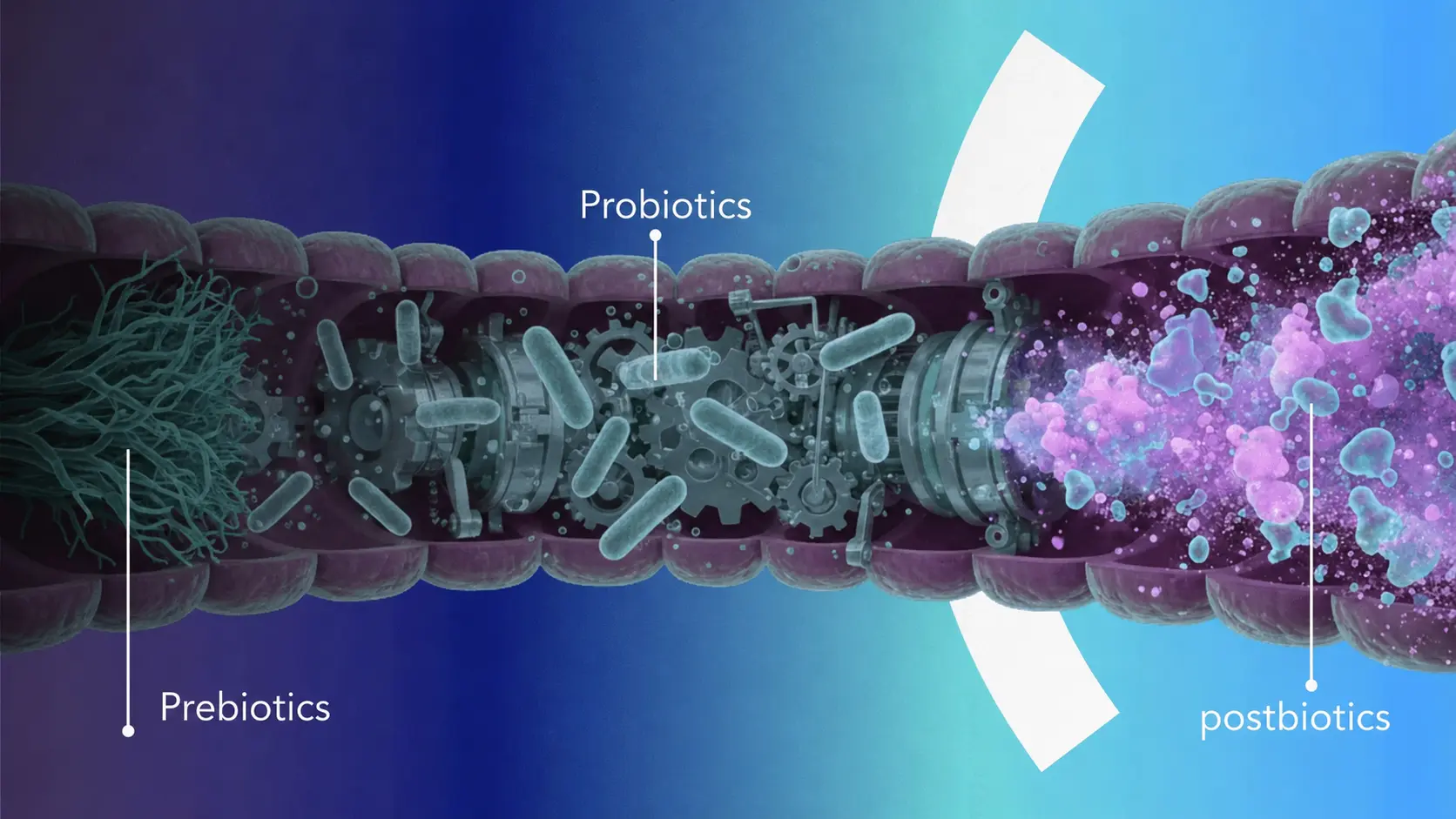
A postbiotic is a non-viable (inactivated) microorganism and/or its metabolic products that provide health benefits to the host. Simply put, these are the beneficial substances that probiotics (good bacteria) produce when they feed on prebiotics (fiber).
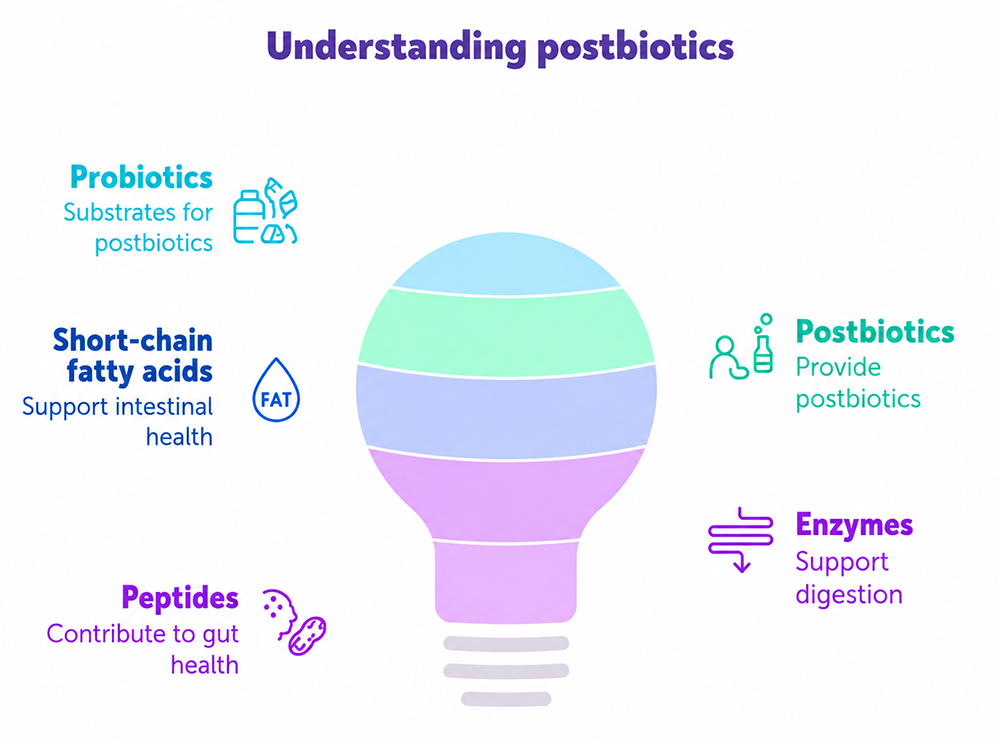
Think of your digestive system as a living factory. Prebiotics are the raw materials, probiotics are the workers, and postbiotics are the final, valuable product that the factory produces. These products include short-chain fatty acids (like butyrate), enzymes, peptides, and other compounds that directly support gut health and overall health. Unlike live probiotics, they don’t need special conditions to survive the acidic environment of the stomach, making them extremely effective.
Why are postbiotics becoming increasingly popular for gastrointestinal problems?
Postbiotics are gaining popularity because they offer many of the benefits of live probiotics, but with greater stability, safety, and a more direct mechanism of action. Because they are already a "finished product," the body doesn't have to wait for the probiotics to ferment the fiber to reap the benefits.
This direct approach eliminates many of the unknowns associated with probiotic supplements. For example, the effectiveness of probiotics can depend on whether the live bacteria survive the stomach passage and colonize the intestines. With postbiotics, this problem doesn’t exist. You’re directly providing your body with the beneficial compounds, leading to faster and more predictable results for common gastrointestinal complaints.
What are the main benefits of postbiotics for digestion?
The main benefits of postbiotics include strengthening the intestinal barrier, reducing inflammation, and maintaining a healthy balance of the gut microbiome. These actions work synergistically to improve digestive comfort and overall gastrointestinal function.
Let's take a closer look at the specific ways a postbiotic can support your digestive system and relieve unpleasant gastro symptoms:
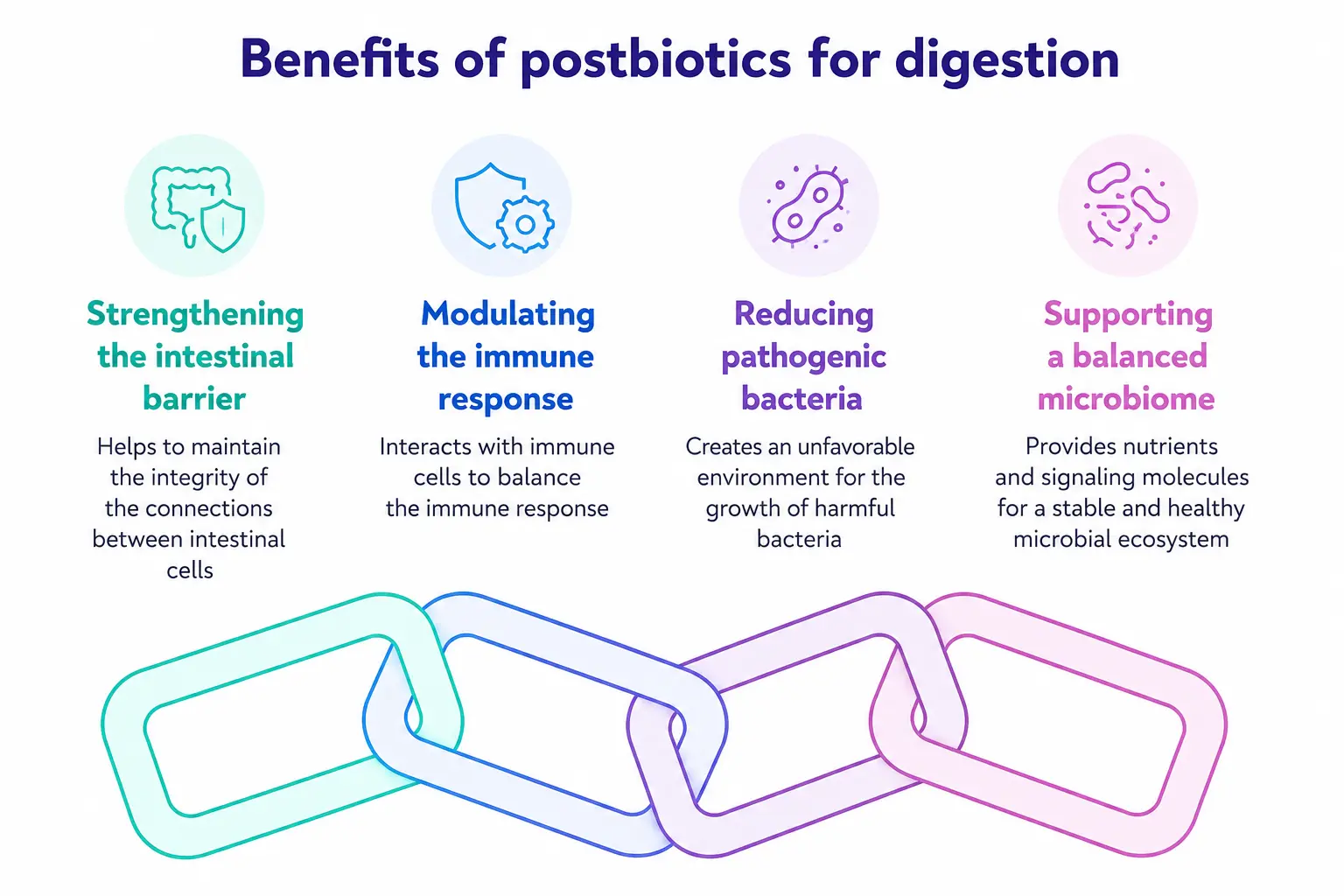
- Strengthening the intestinal barrier; They help strengthen the connections between the cells of the intestinal lining, preventing a condition known as "leaky gut," which can lead to inflammation and food sensitivities.
- Modulate the immune response; About 70% of the immune system is located in the gut. Postbiotics interact directly with immune cells, helping to balance the immune response and reduce chronic inflammation.
- Reduction of pathogenic bacteria; They create an unfavorable environment for the growth of harmful bacteria, thus supporting the balance in favor of good microorganisms.
- Maintaining a balanced microbiome. By providing ready-made nutrients and signaling molecules, postbiotics contribute to a stable and diverse gut ecosystem, which is key to good digestion.
In summary, these benefits demonstrate how postbiotics work on several fronts to create a healthier and more resilient environment in the gut, which is the foundation for addressing many gastro issues.
How to choose the right postbiotic and when to consult a gastroenterologist?
Choosing the right postbiotic requires researching the ingredients and the manufacturer's reputation, while consulting a gastroenterologist is mandatory if you have persistent or severe gastro symptoms. You should never self-diagnose for serious complaints.
When choosing a postbiotic supplement, look for products that are based on scientifically researched strains and compounds. Look for transparency on the label regarding content and dosage. Products manufactured under Good Manufacturing Practices (GMP) are usually a safer choice. It’s important to remember that supplements are not a substitute for a healthy diet. Consulting a specialist, such as an experienced gastroenterologist, is key, especially if you’re experiencing symptoms like severe pain, blood in your stool, unexplained weight loss, or a sudden change in bowel habits. A doctor can make an accurate diagnosis and recommend the most appropriate treatment for your individual digestive needs.
Can postbiotics replace probiotics and prebiotics?
No, postbiotics should not be considered a replacement, but rather a complementary element in a holistic approach to gut health. Each of the "biotics" plays its own unique and indispensable role in maintaining the digestive ecosystem.
Their relationship is symbiotic. Prebiotics feed probiotics, and probiotics produce postbiotics. Using them in combination can yield the best results. For example, someone with a sensitive stomach might start with a postbiotic to calm the gut and prepare the environment before introducing probiotics.
For clarity, here is a comparison table of the three types of "-biotics":
| Type | Description | Main role |
| Prebiotics | Indigestible fiber that serves as food for the good bacteria in the intestines. | To stimulate the growth and activity of probiotics. |
| Probiotics | Live microorganisms (good bacteria and yeast) that, when taken in adequate amounts, provide health benefits. | To produce beneficial compounds (postbiotics) and maintain the balance of the microbiome. |
| Postbiotics | Non-living microorganisms and/or their metabolic products. | Provide direct health benefits, such as strengthening the intestinal barrier and modulating immunity. |
This table clearly shows that for optimal gastro health, it is best to take care of the entire cycle, rather than relying on just one component.
Conclusion
The world of digestive health is constantly evolving, and postbiotics are emerging as a very promising tool. Their stability, safety, and direct action make them an excellent solution for people struggling with a variety of gastro-intestinal issues, from bloating and gas to more serious discomfort. They are not a magic pill, but they represent an important step forward in our understanding of how to maintain a healthy digestive system.
Imagine feeling light and comfortable after a meal, without the constant worry of a stomach ache. If you’re exploring ways to improve your digestive well-being, discussing the benefits of a postbiotic with your GP or trusted gastroenterologist could be a valuable next step on the path to a healthier gut and a happier life.
Frequently Asked Questions (FAQ)