



 Bestseller

What are postbiotics and why are they the next step in health care?

Postbiotics are an innovative approach to health maintenance that utilizes the beneficial substances produced by probiotic bacteria. They are products derived from non-living microorganisms and may contain both inactivated whole cells and their structural parts and metabolites. They regulate physiological processes, support the immune system, and improve intestinal barrier function.
Imagine that your gut microbiome is a complex and dynamic living system made up of billions of microorganisms – bacteria, viruses, fungi and more. This internal ecosystem lives in a natural symbiosis with us and contributes to our health. However, when this delicate balance is disrupted, it can lead to a number of diseases affecting both the gut and the entire body.
While probiotics (live beneficial bacteria) and prebiotics (their food) are well known, science is now turning to postbiotics. They cannot colonize the body, but can influence and modulate the microbiota, thus being seen as a key bridge between the microbiome and the human.
What are the practical benefits of postbiotics?
Postbiotics offer a number of practical advantages that make them more reliable and convenient to use than probiotics. Since they do not contain live microorganisms, they are significantly more stable, safe, and are not affected by antibiotic use. Their use allows the body to directly receive optimal nutrients.
| Advantage | Description |
| Increased stability and long shelf life | Unlike probiotics, postbiotics are easier to store, transport, and standardize. They have increased stability and an extended shelf life. |
| High safety profile | Due to the lack of live microorganisms, the risk of unwanted horizontal gene transfer to other bacteria in the gut is avoided. |
| Compatibility with antibiotics | Their effectiveness is not affected by taking antibiotics, making them suitable for use during antibiotic treatment. |
| Directly provides all benefits | The body directly receives the optimal metabolites that beneficial bacteria would produce under ideal conditions, without having to survive and multiply in the intestinal tract. |
These characteristics make postbiotics a predictable and safe way to maintain intestinal health and overall balance in the body.
What are the main ingredients in postbiotics and how exactly do they help?
At the heart of the effectiveness of postbiotics is a wide variety of metabolites that the gut microbiota produces and which have proven health benefits. These bioactive compounds work synergistically to support a variety of functions in the body – from nourishing cells to modulating the immune response.
Imagine how each of these compounds performs a specific task in your body. Some serve as “fuel,” others fight harmful microbes, and still others protect against cell damage.
Here's a more detailed look at these key components and their functions:
- Short-chain fatty acids (SCFAs) : These are compounds like propionate, acetate, and butyrate. They serve as a primary source of energy for the cells that line the gut wall, help regulate blood sugar and cholesterol, and even participate in programmed cell death (apoptosis), which helps eliminate damaged or malignant cells.
- Antimicrobial molecules : Substances such as hydrogen peroxide and peptides called bacteriocins strengthen the protective epithelial barrier of the gut. They have properties to kill (bactericidal) or stop the growth (bacteriostatic) of harmful microorganisms and have anti-inflammatory effects, thus preventing the entry of pathogens in the first place.
- Antioxidant enzymes : Postbiotics contain enzymes like glutathione peroxidase, catalase, and peroxide dismutase, which help the body fight free radicals and oxidative stress.
- Exopolysaccharides (EPS) : These are complex carbohydrates that also have antioxidant properties and beneficial effects on fat metabolism. They modulate the immune response by interacting with key immune cells (dendritic cells and macrophages), thereby enhancing the proliferation of important lymphocytes.
- β-glucans : These compounds have the property of increasing the absorption (bioavailability) of carotenoids in the gastrointestinal tract.
- Organic acids : Lactic and acetic acids are included in the composition to lower the pH (acidity) of the medium, which inhibits the development of microorganisms that are not resistant to acidic conditions.
- Bacterial lysates : These are fragments obtained from the breakdown of bacteria. They activate the immune system along the gut-lung axis, which can aid in the treatment of respiratory and allergic diseases.
- Vitamins : Lactobacillus and Bifidobacterium strains produce vital vitamins such as folate, riboflavin (B2), pyridoxine (B6), and niacin. These are necessary for maintaining energy balance, gene regulation, and proper intestinal immune function.
All of these components, working together, provide the complex and multifaceted action of postbiotics.
Why is "Bibiotic" an innovative Bulgarian product?
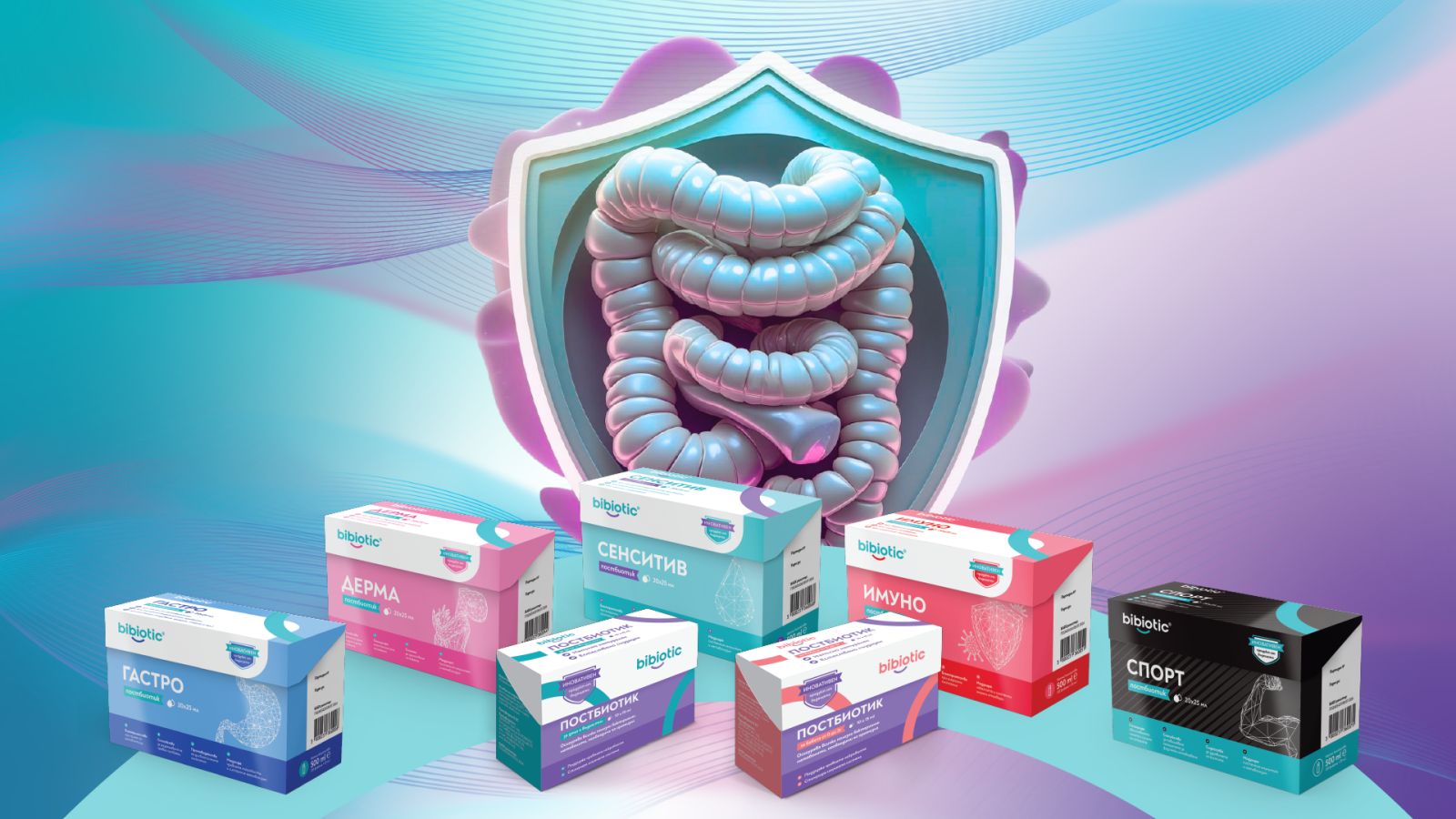
"Bibiotic" is the first Bulgarian postbiotic developed for children and adults, which combines the power of all these components in one product. Its innovation lies in its rich composition, the purity of the ingredients and the specially developed liquid form for maximum effectiveness.
What makes “Bibiotic” truly special is its unique formula. It contains metabolites, lysates and cellular components produced by as many as 12 different strains of beneficial bacteria during their cultivation process. Among them are strains from the genera
Bifidobacterium and Lactobacillus .
All ingredients in "Bibiotic" are 100% naturally synthesized and secreted by bacteria into biosubstances that are fully digestible for the body. The product is completely pure - it does not contain GMOs, preservatives, stabilizers or any synthetic substances. The specially developed liquid form allows for its more correct distribution on the surface of the intestinal tract and facilitates its absorption by the body. Most importantly, "Bibiotic" does not contain live microorganisms, which guarantees its safety and stability.
How does our scientific research prove the benefits of “Bibiotic”?
To prove the effectiveness of “Bibiotic” in real conditions, we conducted a pilot study in collaboration with the team of the Gastroenterology Clinic at the University Hospital “Tsaritsa Ioanna – ISUL”. The study focused on patients with common complaints such as uncomplicated colonic diverticula and irritable bowel syndrome (IBS). This makes our study particularly valuable, as currently there are no published studies on the effect of postbiotics on diverticula in the global medical database PubMed, and those on IBS are very few.
Imagine we were embarking on an untrodden path in science. Our goal was to gather initial, yet clear, data on how Bibiotic could help people who struggle with discomfort and pain on a daily basis.
How was the research conducted?
To ensure the objectivity and reliability of the results, we followed a strict protocol. Our approach included careful selection of participants, detailed assessment of their symptoms, and a standardized intake schedule.
This allowed us to compare the condition of each patient before and after therapy.
Here are the main steps in our research methodology:
- Участници: В изследването бяха включени две групи пациенти:
- 25 people (13 men and 12 women) with symptomatic uncomplicated colonic diverticulosis, whose mean age was 64.45 years.
- 12 people (5 men and 7 women) with Irritable Bowel Syndrome, with an average age of 48.08 years.
- Оценка на симптомите: Състоянието на всеки пациент беше оценено преди началото на терапията и един месец след нейния край. За целта използвахме валидиран въпросник, който съдържаше въпроси за:
- The frequency, duration, and severity of abdominal pain.
- The presence of abdominal bloating (flatulence) and painful urges to defecate (tenesmus).
- Feelings of irritability or depression associated with abdominal symptoms.
- Having restless sleep or waking up due to pain.
- Lack of energy and fatigue for most of the day.
- Missed work or social activities due to complaints.
- The need for a change in current therapy or a desire to start a new one.
- Dosage regimen: All study participants took “Bibiotic” according to the same regimen: 1 vial, twice daily, before meals. The therapy lasted 15 days.
- Follow-up: One month after the end of the 15-day intake, the patients filled out the same questionnaire again so that we could report the changes that had occurred.
What were the outcomes in patients with diverticular disease?
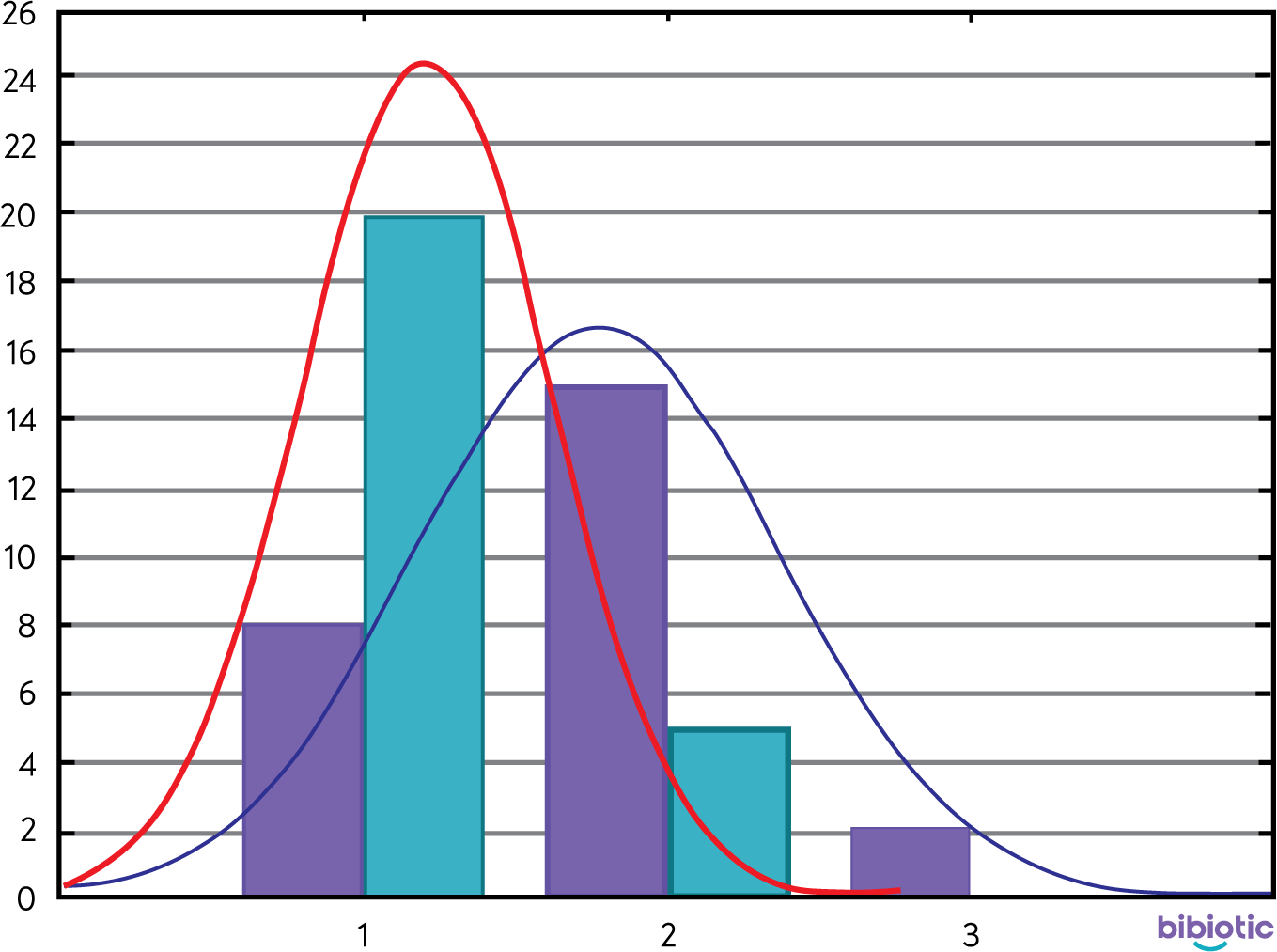
The results in this group of patients were extremely positive and statistically significant. One month after taking “Bibiotic”, we found a significant reduction in the frequency, duration and intensity of abdominal pain. Also, the patients reported a significant improvement in their general condition, energy and mood. Before the start of therapy, according to the severity of the symptoms, the patients were divided into three groups: mild disease (8 people), moderately severe (15 people) and severe (2 people).
Drastic reduction in abdominal pain
The most telling results were related to the main symptom – pain.
Pain frequency: Before therapy, more than half of the patients (13 people) had daily pain. After therapy, the picture changed radically – no patient reported daily pain , with the majority experiencing pain only 1-2 times a week. The p-value=0.0001 shows that this result is highly statistically significant and not due to chance.
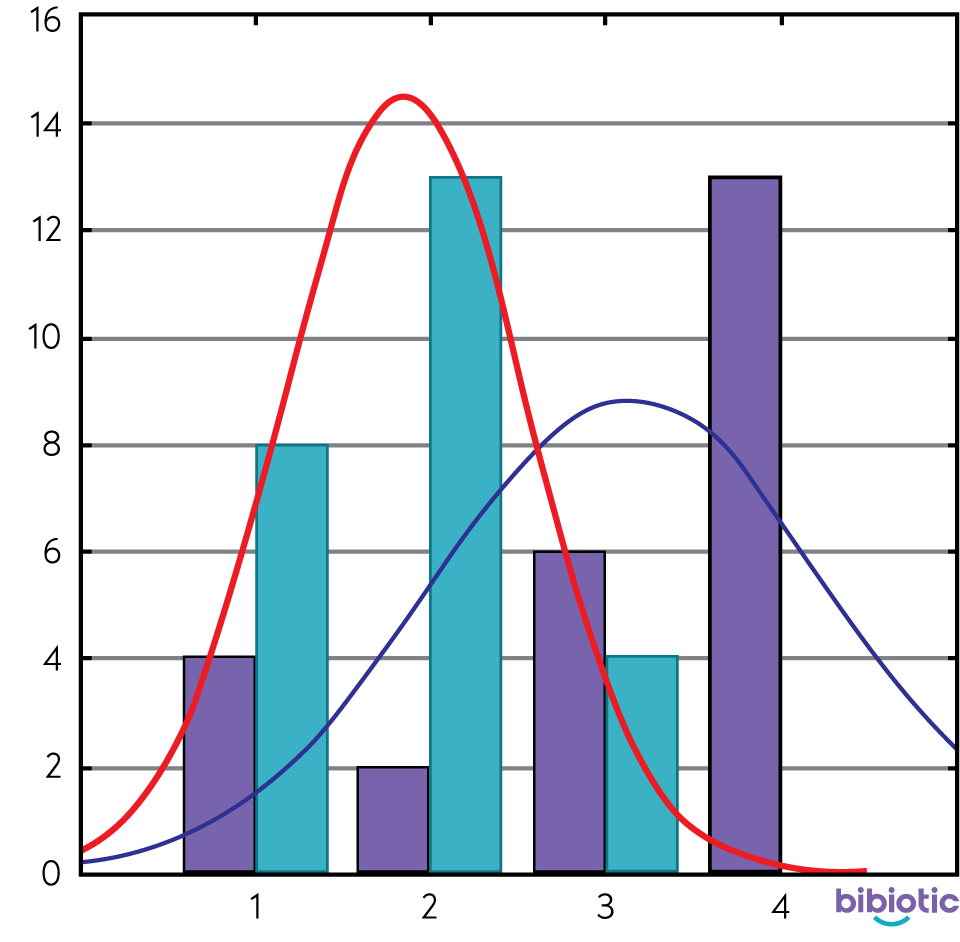
Pain duration: Before treatment, a significant proportion of patients had pain lasting for hours. After therapy, almost all (24 out of 25 people) had pain lasting less than 60 minutes. This result was also statistically significant (p=0.002).
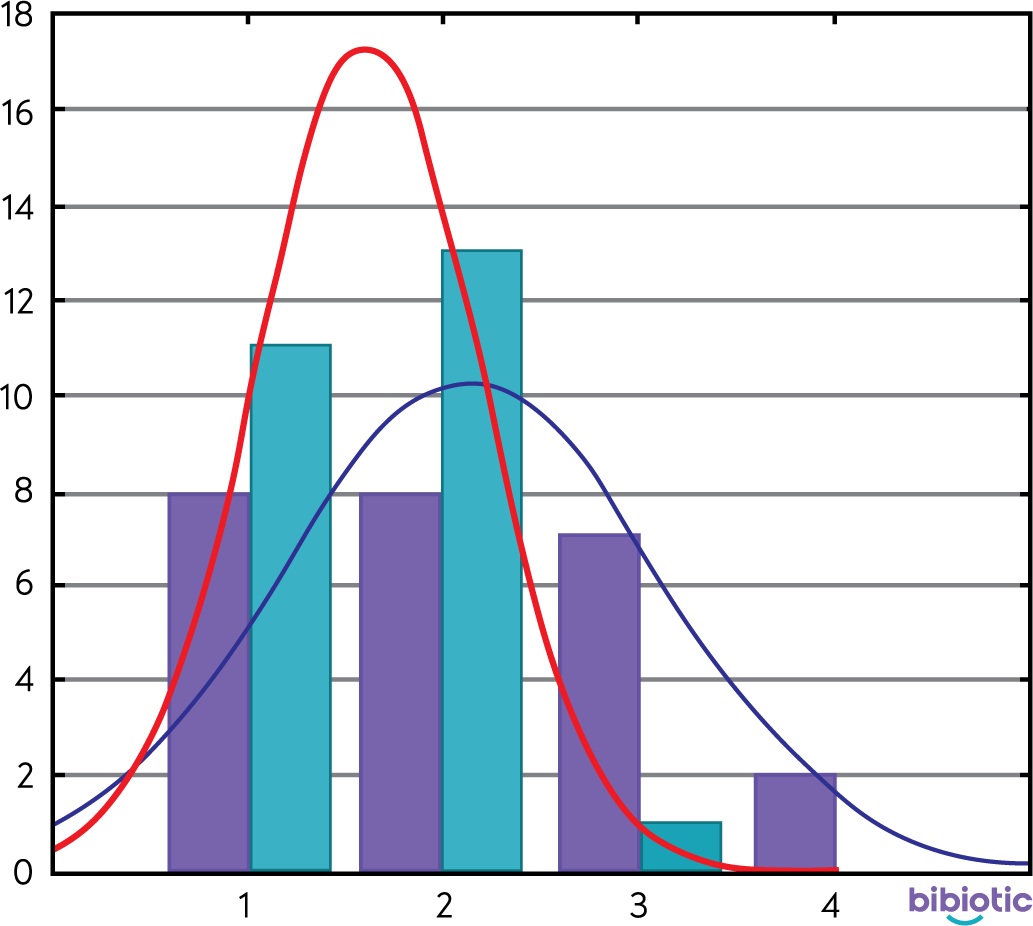
Pain intensity: Before the therapy, most patients (19 people) reported moderate to severe pain. After the therapy, the vast majority (24 out of 25 people) had only mild pain or none at all. The statistical significance (p=0.0033) confirms the robustness of this result.
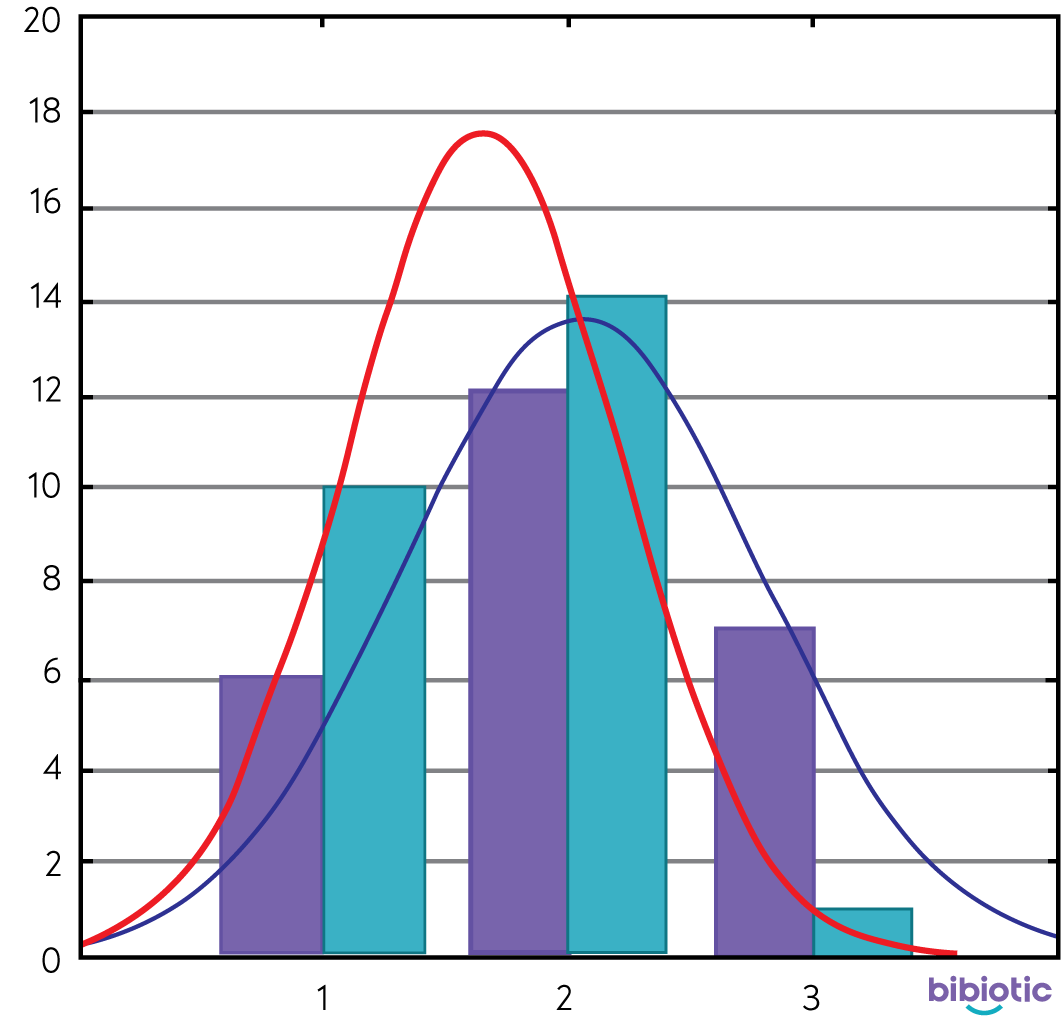
- Increased energy and improved mood
Chronic abdominal complaints often lead to fatigue and emotional discomfort. Our study showed that Bibiotic had a significant positive effect on these aspects of patients' lives as well.
Lack of energy and fatigue: We observed a significant reduction in fatigue among patients, which was also statistically significant (p=0.002).
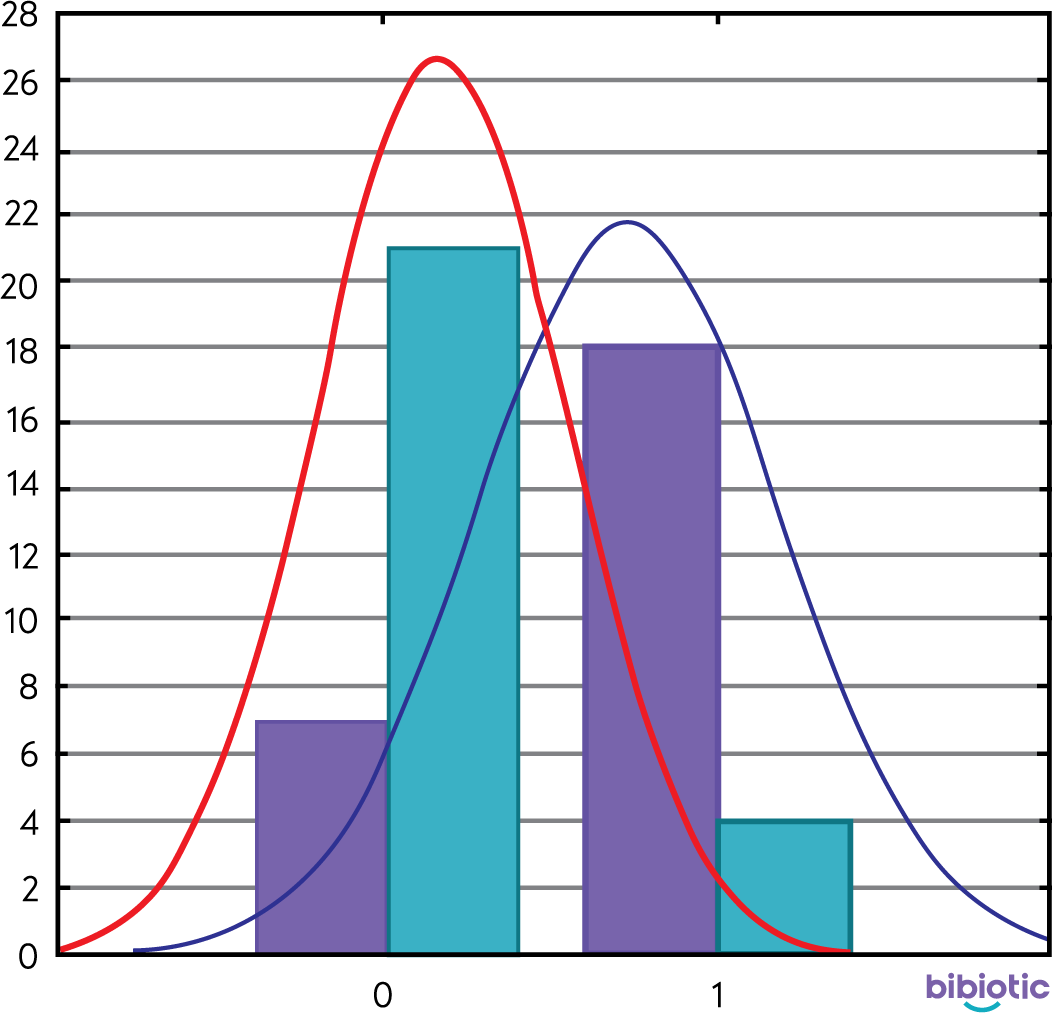
Feelings of irritation/depression: Along with the reduction in physical symptoms, a significant reduction in feelings of irritation or depression associated with them was also reported (p=0.007).
- Overall improvement and satisfaction with therapy
The most important indicator of the success of a therapy is how the patients themselves evaluate it. The results showed high satisfaction and objective improvement in the condition.
Need for change in therapy: Before treatment, all 25 patients stated that they needed to change or start a new therapy. After taking “Bibiotic”, the majority of them (18 people) no longer felt such a need (p=0.0001).
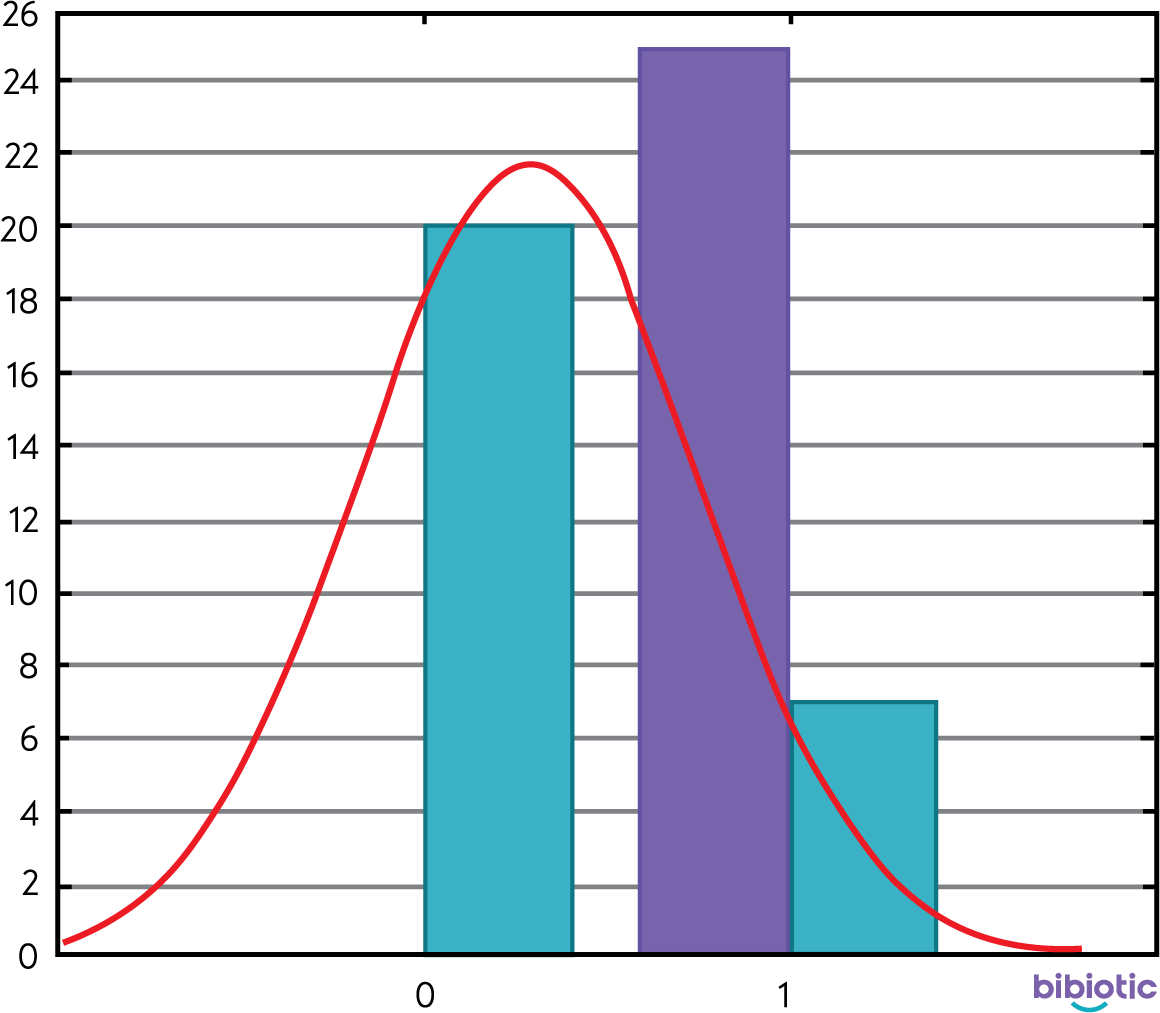
Global Disease Severity Score: This observation is also supported by the dramatic improvement in the global disease severity score. After therapy
20 of the patients are now in the "mild disease" category, and the remaining 5 are in "moderately severe", with none remaining in the "severe" category (p=0.0009).
Outcomes in patients with irritable bowel syndrome (IBS)
Patients with irritable bowel syndrome included in the study showed improvements in self-rated frequency, intensity, and duration of most of the symptoms monitored. However, statistical significance was only reached for one of the parameters – the need for a change in current therapy.
This result is extremely indicative: a significant proportion of patients felt well enough not to seek additional therapy, even one month after the end of the course with “Bibiotic”. This allows us to conclude that although not all changes are statistically significant, patients subjectively experience relief and improvement in their quality of life.
Table 1. Results of the completed questionnaire in patients with irritable bowel syndrome.
| Symptom/Variable | Before | After | T | Z | p-value |
|---|---|---|---|---|---|
| Frequency of abdominal pain | 2.58 | 1.92 | 2.00000 | 1.782084 | 0.074736 |
| Duration of abdominal pain | 2.08 | 1.67 | 15.00000 | 1.274118 | 0.202623 |
| Abdominal pain intensity | 1.67 | 1.67 | 18.00000 | 0.000000 | 1.000000 |
| Abdominal bloating | 0.67 | 0.50 | 2.50000 | 0.912871 | 0.361311 |
| Tenesmus | 0.17 | 0.00 | 0.00000 | 1.341641 | 0.179713 |
| Change in bowel movements | 0.75 | 0.33 | 10.0000 | 1.480872 | 0.138642 |
| Missed planned work/social activities | 0.17 | 0.08 | 2.00000 | 0.534522 | 0.592980 |
| Waking up at night due to abdominal pain | 0.17 | 0.00 | 0.00000 | 1.341641 | 0.179713 |
| Lack of energy, fatigue | 0.50 | 0.25 | 3.00000 | 1.213560 | 0.224917 |
| Feeling irritable/depressed | 0.75 | 0.33 | 10.0000 | 1.480872 | 0.138642 |
| Need for a change in therapy | 1.00 | 0.17 | 0.00000 | 2.803060 | 0.005062 |
| Overall Evaluation Score | 1.67 | 1.25 | 4.00000 | 1.690309 | 0.090970 |
Variables that reach statistical significance (p < 0.05) are marked in dark.
As can be seen, the only statistically significant result (p=0.005062) was in the question of the need for a change in therapy . Before treatment, all 12 patients (100%) thought that they needed a change. One month after taking “Bibiotic”, only 2 (17%) still held this opinion.
This result is extremely indicative. We believe that although individual symptoms did not completely disappear in everyone, the patients received significant enough relief of their initial complaints to no longer seek new or different treatments.
What are the final scientific conclusions about postbiotics?
Based on the scientific literature and the results of our observation, we can conclude that postbiotics are a promising and attractive strategy in modern medicine. They play an essential role in the proper functioning of the body, while demonstrating an extremely favorable safety profile.
Using these microorganism-derived substances is an effective way to maintain health.
Here are the final conclusions, summarized in a few key points:
- Key role in immunity and the intestinal barrier: Postbiotics play an essential role in the maturation of the immune system. They also influence the integrity of the intestinal mucosal barrier and indirectly help shape the structure of the microbiota.
- Effectiveness and safety: The use of postbiotics is considered an effective way to maintain beneficial gut microbiota and overall gut health. At the same time, they also demonstrate a favorable safety profile.
- Attractive strategy in modern medicine: The use of microbial-derived cell fragments and metabolites that possess anti-inflammatory, immunomodulatory, antioxidant, and anticancer effects is an attractive strategy for primary and secondary prevention.
Need for future research: To definitively establish all therapeutic areas in which postbiotics may be beneficial, additional research and data accumulation are needed.