



 Bestseller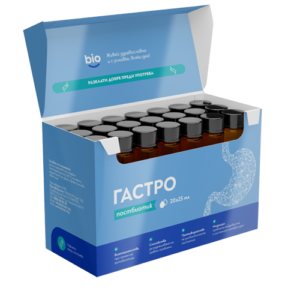

Irritable Bowel Syndrome: Everything You Need to Know About This Condition

Imagine your stomach has a mind of its own. Some days it’s calm and quiet, while others it rages with unexplained aches, bloating, and discomfort that disrupt your daily routine. If this description sounds familiar, you may be dealing with Irritable Bowel Syndrome (IBS). It’s one of the most common functional gastrointestinal disorders worldwide, affecting millions of people, yet it remains shrouded in mystery and misunderstanding.
In this article, we will take an in-depth look at what Irritable Bowel Syndrome is, what its symptoms and causes are, and most importantly, what steps you can take to manage the condition and regain control of your daily life.
What exactly is Irritable Bowel Syndrome (IBS)?
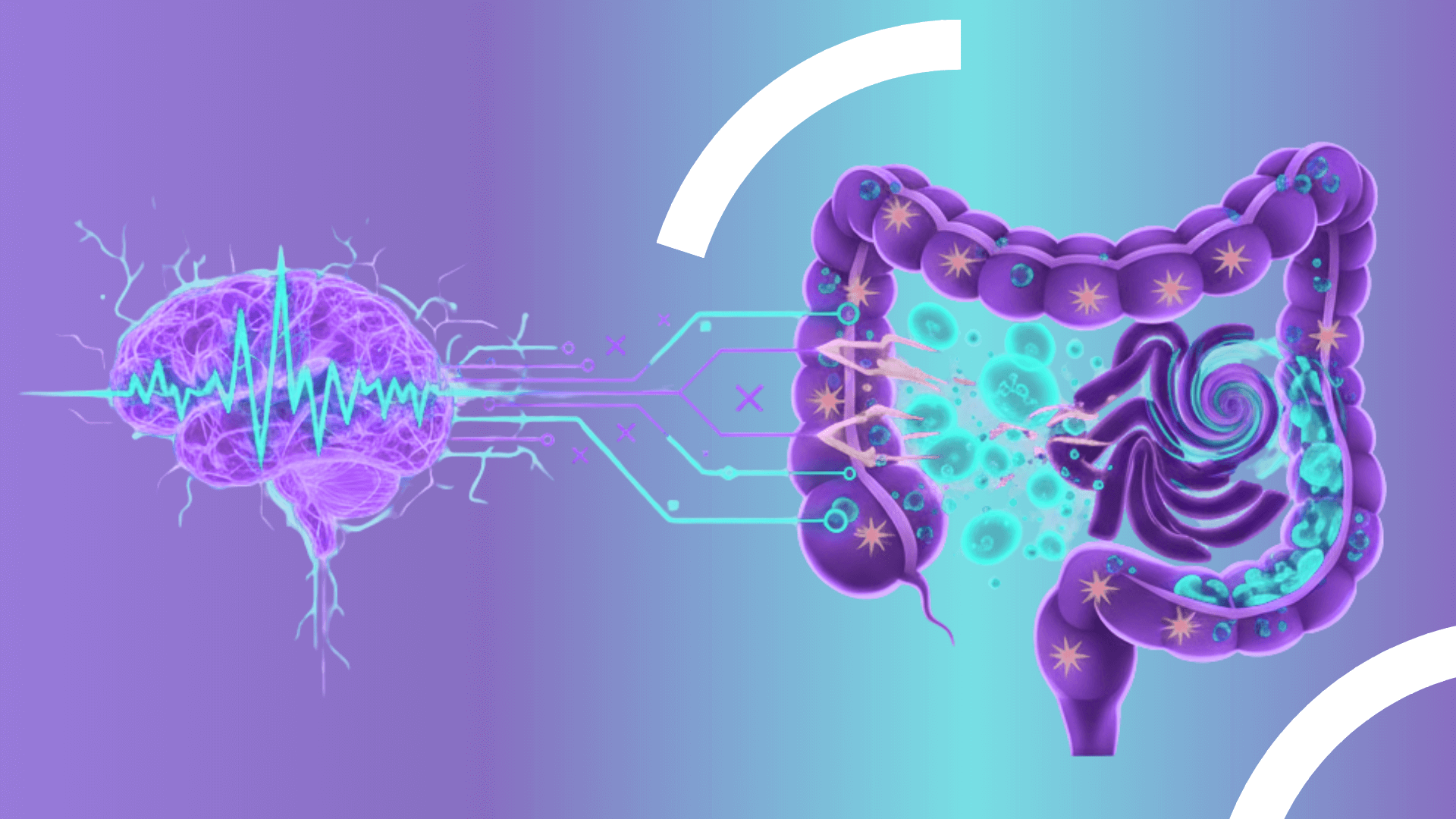
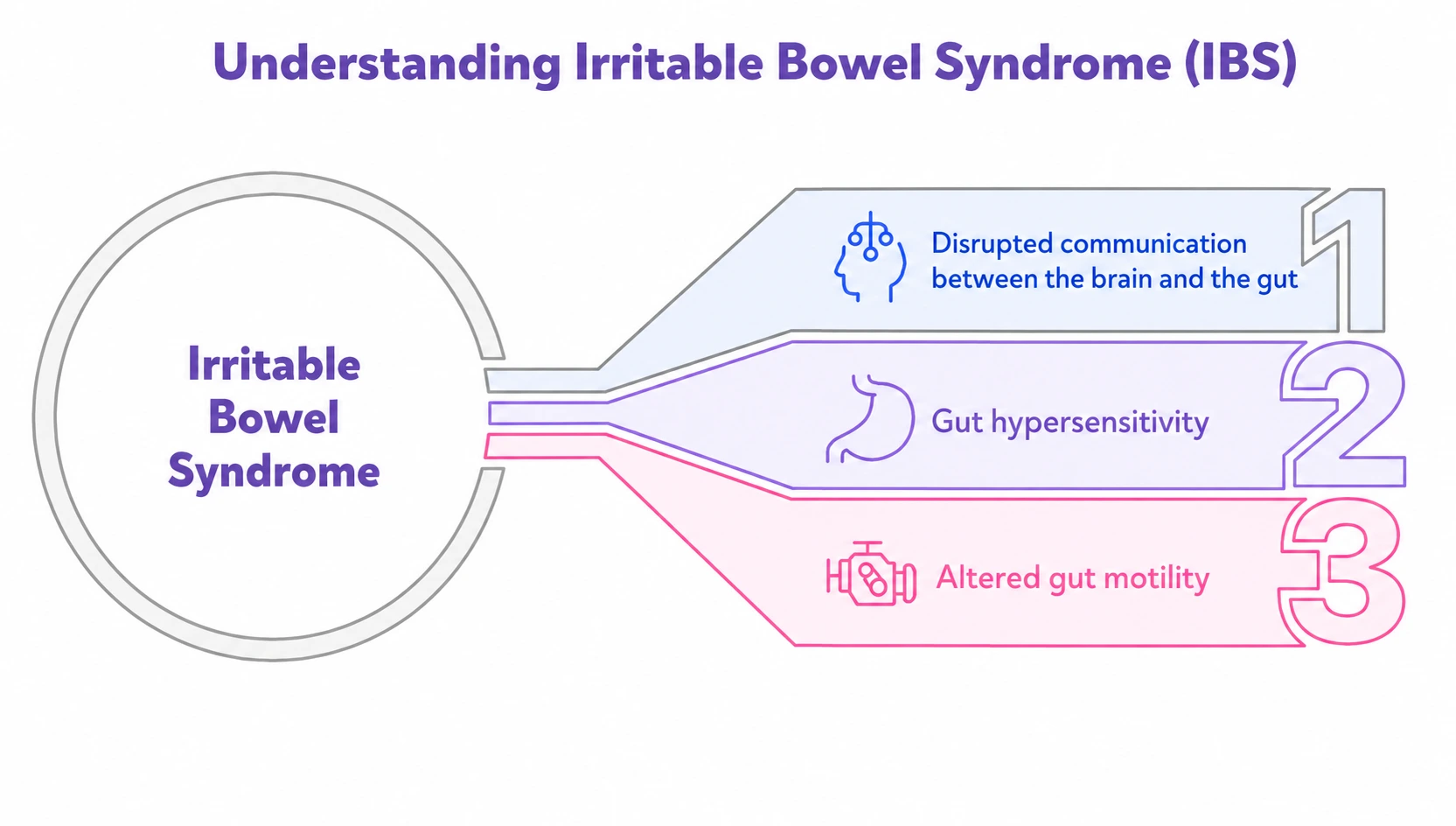
Irritable bowel syndrome is a chronic functional disorder of the gastrointestinal tract. This means that the intestines appear completely normal on examination (no inflammation or structural damage), but they do not function properly. The problem lies in the impaired communication between the brain and the intestines, known as the "brain-gut axis."
This axis is a complex two-way highway of nerve signals, hormones, and chemical messengers. When it is out of balance, the intestines can become hypersensitive. This leads to the sensation of pain during normal processes, such as stretching of the intestinal wall by gas or food. It can also disrupt the motility (movement) of the intestines, causing diarrhea, constipation, or alternating between the two.
What are the most common symptoms of SRH?
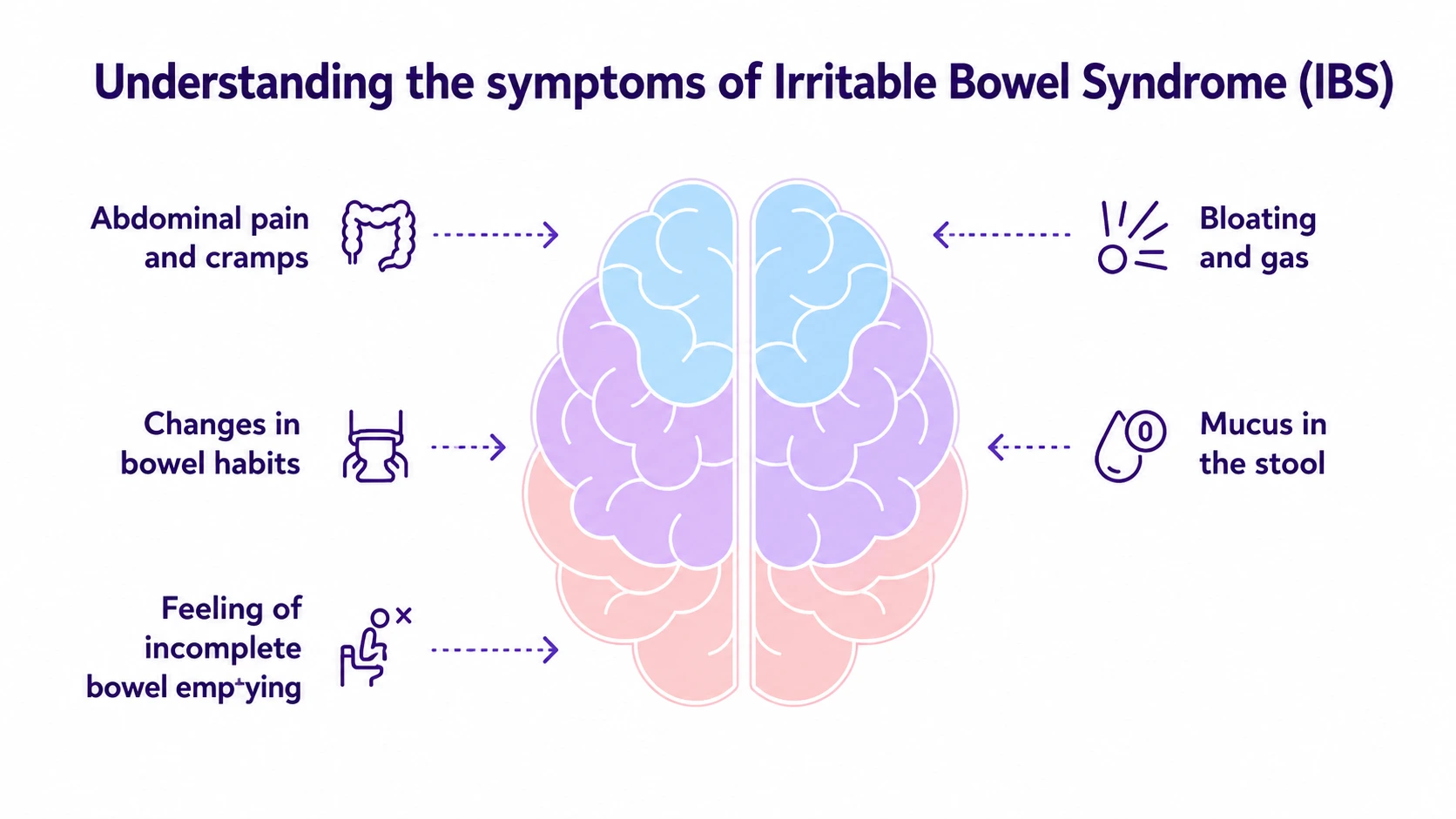
The main symptoms of IBS include recurring abdominal pain, bloating, gas, and changes in bowel habits. It is important to note that the severity and combination of these symptoms can vary greatly both between different people and in the same person at different times.
The symptoms can be extremely unpleasant and seriously affect the quality of life. Here are the most characteristic complaints associated with Irritable Bowel Syndrome:
- Abdominal pain and cramps: Often described as cramping, usually in the lower abdomen. The pain is often relieved after a bowel movement;
- Bloating and gas: A feeling of fullness and visible bloating in the abdomen, which may worsen at the end of the day or after eating;
- Changes in bowel habits: This is a key symptom that helps classify the different types of IBS. It can include diarrhea (IBS-D), constipation (IBS-C), or alternating between the two (IBS-M);
- Mucus in the stool: Sometimes white or yellowish mucus is observed;
- Sensation of incomplete bowel movement: A feeling that the bowels have not completely emptied even immediately after visiting the toilet.
It is important to note that these symptoms are not unique to SCI and can be a sign of other, more serious conditions. This is why consulting a doctor is mandatory for an accurate diagnosis.
What are the different types of Irritable Bowel Syndrome?
Irritable bowel syndrome is classified into several subtypes based on the predominant pattern of bowel habits. This division, based on the so-called "Rome IV criteria," helps doctors choose the most appropriate approach to managing symptoms for each individual patient.
Distinguishing the type of IBS is essential for personalizing therapy, as the approaches to diarrhea and constipation are fundamentally different.
| Type of SRF | Description of symptoms |
| IBS with diarrhea predominant (IBS-D) | It is characterized by frequent, infrequent, and watery stools. Patients often experience an urgent need to defecate. |
| IBS-C (Irritable Bowel Syndrome with Constipation Predominance) | It manifests itself with infrequent bowel movements (less than three times a week), hard stools, and straining during defecation. |
| IBS with mixed bowel habits (IBS-M) | This type involves alternating periods of diarrhea and constipation, each of which can last for days or weeks. |
| IBS Unclassified (IBS-U) | This includes patients whose symptoms meet the diagnostic criteria for IBS, but whose bowel habits cannot be categorized into any of the above groups. |
What are the suspected causes of the development of SRF?
The exact cause of Irritable Bowel Syndrome is still not fully understood, but science has determined that the condition is multifactorial. This means that a combination of different factors contributes to its development, rather than a single cause.
Leading hypotheses include genetic predisposition, changes in intestinal motility, and increased visceral sensitivity. However, several key areas are gaining increasing attention as the main culprits for the discomfort.
Could the gut microbiota play a role?
Yes, an imbalance in the gut microbiota, known as dysbiosis, is one of the leading factors associated with IBS. The gut microbiome is a complex ecosystem of trillions of bacteria, fungi, and viruses that play critical roles in digestion, immunity, and even mood.
People with IBS often have a reduced diversity of "good" bacteria and an increase in potentially harmful microorganisms. This dysbiosis can lead to increased gas production, a compromised gut barrier ("leaky gut"), and low-grade inflammation, which contributes to pain and discomfort.
What is the connection between the brain and the gut?
The connection is extremely strong and occurs through the brain-gut axis. This two-way communication system means that emotional and mental states can directly affect gut function, and vice versa.
Stress, anxiety, and depression are known triggers for IBS symptoms. When we are stressed, the brain sends signals that can speed up or slow down intestinal motility and increase sensitivity to pain. It is no coincidence that the gut is often called the "second brain" - it contains millions of neurons and responds strongly to our emotional experiences.
Can certain foods trigger the symptoms?
Absolutely, food intolerances and sensitivities are very common in people with IBS. Certain foods can act as direct irritants or cause fermentation in the intestines, leading to gas, bloating, and pain.
One of the most studied groups of trigger foods are the so-called FODMAPs (Fermentable Oligo-, Di-, Monosaccharides and Polyols). These are a type of short-chain carbohydrates that are poorly absorbed in the small intestine and rapidly fermented by bacteria in the large intestine. Foods rich in FODMAPs include wheat, onions, garlic, some fruits (apples, pears) and dairy products.
How is Irritable Bowel Syndrome diagnosed?
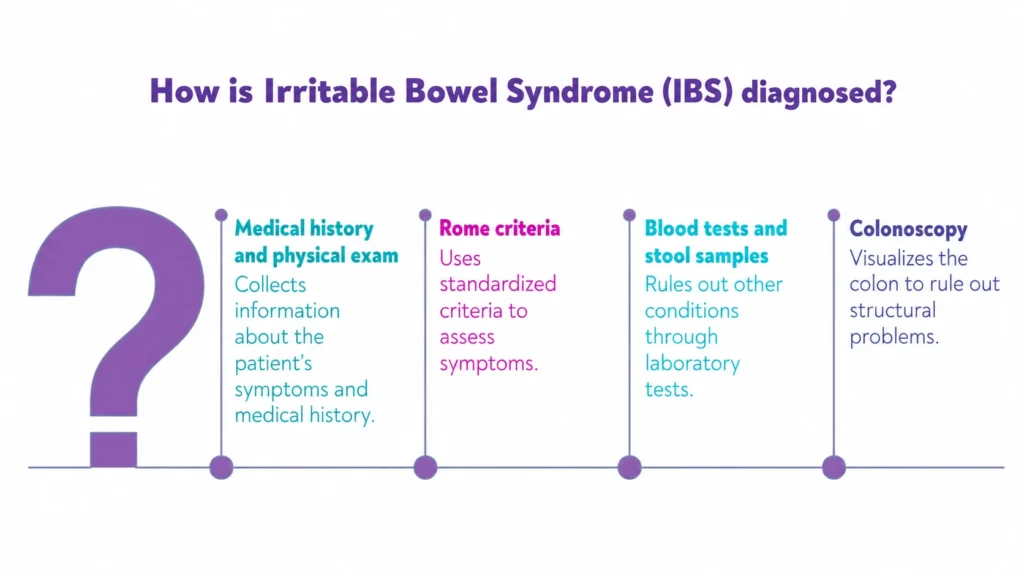
The diagnosis of IBS is primarily made by the method of exclusion, after the doctor is sure that the symptoms are not due to another condition. There is no specific test that can confirm IBS with 100% certainty.
The diagnostic process usually begins with a detailed medical history and physical examination. The doctor will use the so-called "Rome criteria," which require the presence of recurrent abdominal pain (at least once a week for the past 3 months) associated with two or more of the following: associated with defecation, change in frequency of bowel movements, or change in stool form. To rule out other conditions such as celiac disease, inflammatory bowel disease (Crohn's disease, ulcerative colitis), or infections, blood tests, fecal samples, and sometimes a colonoscopy may be ordered.
What are the options for managing the symptoms of IBS?
Managing Irritable Bowel Syndrome requires a comprehensive and individualized approach. Since there is no universal cure, the goal is to find the right combination of strategies to relieve symptoms and improve quality of life.
The most effective methods usually involve dietary and lifestyle changes, sometimes supplemented with medication. It's important to be patient, as finding what works for you can take time.
What diet is suitable for IBS?
Diet is a cornerstone in the management of IBS, with the most commonly recommended approach being a low-FODMAP diet. This diet involves temporarily eliminating foods high in these fermentable carbohydrates, followed by a gradual and systematic reintroduction to identify personal triggers.
Keeping a food diary is also extremely helpful. It allows you to record what you eat and how you feel afterwards, which can help you discover the connection between certain foods and your symptoms. Increasing your intake of soluble fiber (from oats, psyllium) can help with constipation, while avoiding caffeine, alcohol, and fatty foods often relieves diarrhea.
How can lifestyle changes help?
Lifestyle changes can have a huge impact on symptoms, especially given the strong gut-brain connection. Stress management is paramount. Techniques like meditation, yoga, deep breathing, or even regular walks in nature can calm the nervous system and reduce gut hypersensitivity.
Regular physical activity also helps. Moderate exercise stimulates normal bowel movements, reduces stress, and helps with bloating and gas. Last but not least, getting enough quality sleep is critical for the recovery of the entire body, including the digestive system.
Could postbiotics be the new ally in the fight against IBS?
Yes, postbiotics represent an innovative and highly promising approach to supporting gut health and alleviating IBS symptoms. While probiotics are live "good" bacteria and prebiotics are the food for them, postbiotics are the bioactive compounds that probiotics produce during fermentation. These are non-living microorganisms and/or their metabolites that provide direct health benefits.
The advantage of postbiotics is that they provide the benefits of probiotics in a more stable and direct way. They do not require colonization in the gut to work. Instead, they directly help strengthen the intestinal barrier, modulate the immune response, reduce inflammation, and help balance the gut microbiota.
Imagine a product that delivers these valuable compounds directly to where they are needed most, without having to worry about whether the live bacteria will survive stomach acid. That’s where quality postbiotic supplements come in. Taking care of your gut microbiome is a key step in managing Irritable Bowel Syndrome . Products like Postbiotic Bibiotic® Gastro are specifically formulated to support digestive health. The tyndallized bacterial strains and their metabolites in it can help reduce bloating, pain, and help regulate bowel function—something anyone with IBS needs.
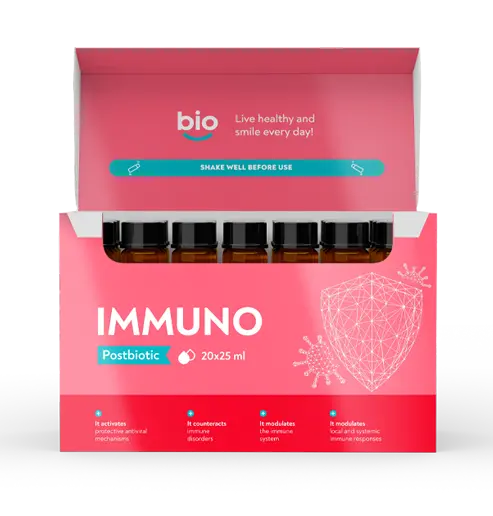
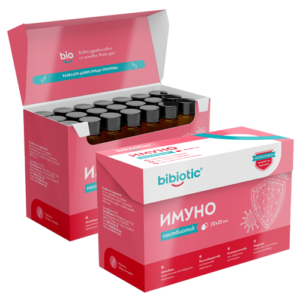
Postbiotic Bibiotic® Immuno
Helps with viruses and bacteria - stimulates the natural immune response and speeds up recovery from flu and infections.
Supports autoimmune conditions – regulates excessive immune response and reduces inflammation.
Strengthens the intestinal barrier and immunity - maintains a balanced microflora and protects the body from pathogens.
Taking control of your gut health is possible, and modern science offers effective and safe solutions in this direction.
Frequently Asked Questions (FAQ)