



 Bestseller

Yogurt – probiotic or postbiotic

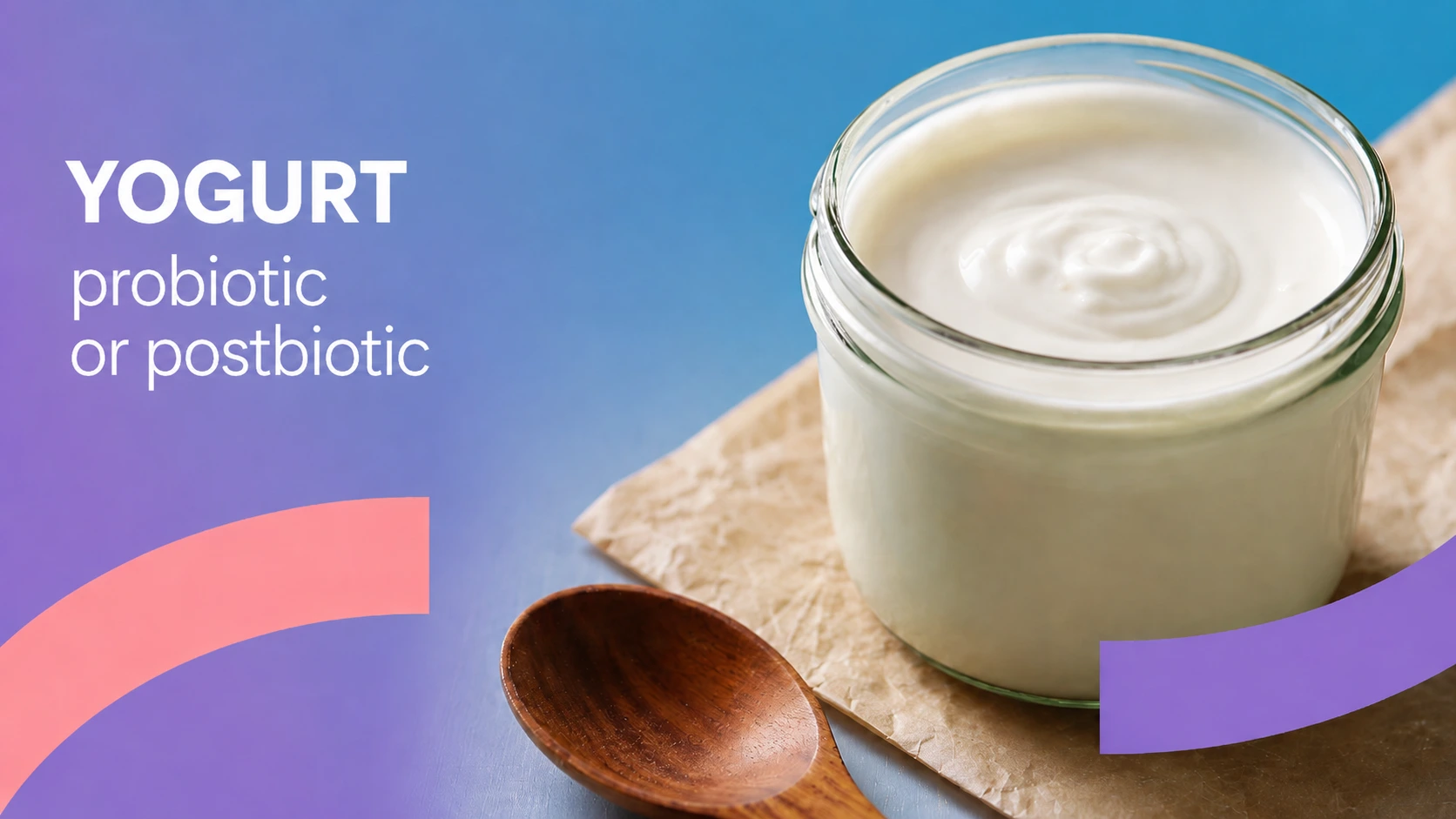
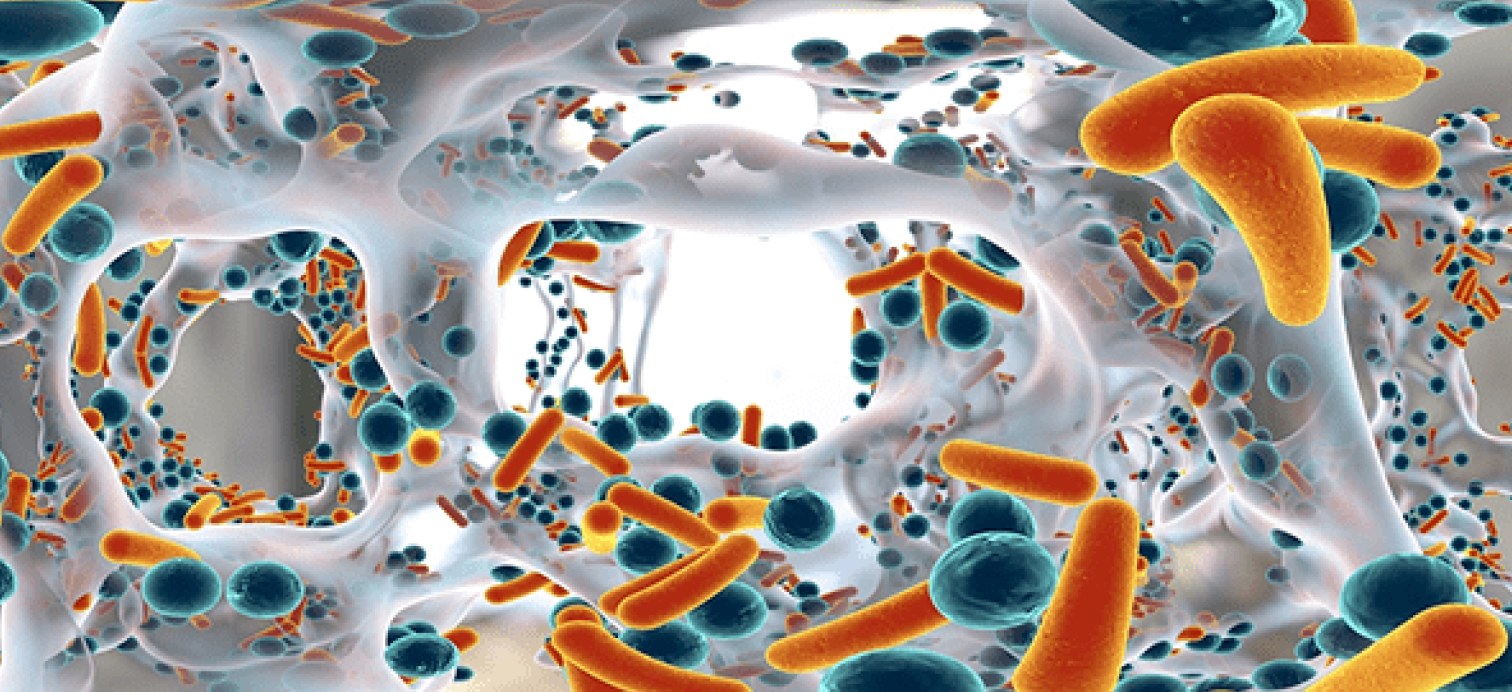
Yogurt is produced by the fermentation of fresh milk by two types of lactic acid bacteria – the rod-shaped Lactobacillus bulgaricus and the cocci-shaped Streptococcus thermophilus . The origin of both bacteria is “vegetable”. They are not found in the microbiota of humans and animals. In milk, at the appropriate temperature, they find good conditions for their development.
In yogurt, the two microorganisms can reach a population of about 1 billion live and several tens of millions dead bacteria in 1 milliliter. During storage, the bacteria gradually die, which reduces the number of live and increases the number of dead.
Bacterial metabolites in yogurt.
During milk fermentation , both bacteria secrete, ferment and synthesize various and diverse biologically active substances and compounds, called metabolites . For example, they secrete the enzyme lactase, which breaks down the lactose in milk into glucose and galactose. Glucose and galactose enter the bacterial cell, where they are metabolized to pyruvate and adenosine triphosphate (ATP) through the process of glycolysis. ATP serves as an energy source for the bacterial cell, and pyruvate is fermented by the enzyme lactate dehydrogenase to the short-chain fatty acid lactate ( lactic acid ). The lactic acid produced is secreted by the bacterial cells into the milk, contributing to its sour taste, increasing its shelf life and forming a coagulum (gel-like consistency).
In addition, Lactobacillus bulgaricus and Streptococcus thermophilus synthesize highly polymerized molecules that activate some of the glucose and galactose by adding activating groups such as phosphate or activators and convert them into polysaccharide chains. These chains are linked by glycosidic bonds to form exopolysaccharides (EPS). The bacterial cells secrete the exopolysaccharides into the milk, where they contribute to the formation of gel-like structures that give the milk a creamy texture and a thicker consistency.
Or, the lactase , lactic acid and exopolysaccharides secreted by the two lactic acid bacteria are metabolites produced by them during the fermentation of milk. In addition to contributing to certain properties of yogurt, they are also extremely valuable substances for health. For example, the lactase enzyme helps to break down lactose, lactic acid improves the absorption of calcium and other minerals and suppresses the development of pathogenic (harmful) microorganisms, EPS stimulate the immune system, detoxify the body and support the development of its own bacteria. Lactobacillus bulgaricus and Streptococcus thermophilus produce many other different metabolites in yogurt, such as folic acid, bacteriocins, vitamins, immunomodulatory peptides, biogenic amines, amino acids, peptides, etc. etc., contributing to health benefits.
Licks in yogurt.
On the other hand, yogurt also contains a large amount of dead cells (lysates) of both microorganisms, naturally killed during the fermentation and storage processes. This process is part of the autoregulatory mechanism of bacterial growth. Lysates contain many different biologically active substances, such as RNA , enzymes , biosurfactants , teichoic acids , peptidoglycans , polysaccharides , etc., which are beneficial for health. For example, RNA, enzymes and biosurfactants are molecules that play an important role in various biological processes in the body. Teichoic acids, peptidoglycans and polysaccharides, in turn, have antibacterial, anti-inflammatory and immunomodulatory properties. When the lysates are broken down by macrophages, lysosomes and other mechanisms that are part of the normal physiology of the body, these substances enter the intestines and contribute to their beneficial effect.
When consuming yogurt, most of the live bacteria of both types die from the substances created in the body to fight "foreign" microorganisms, such as saliva, stomach acid and bile juice. And they enter the intestines inactivated. And benefits for the body will contribute as dead, not living bacterial cells. The remaining live lactic acid bacteria meet in the intestines with various antimicrobial substances produced by the "own" microbiota to fight other types of microorganisms and protect their population, such as hydrogen peroxide, lysozyme, bacteriocins, bacteriocin-like substances, etc., which have a bacteriocidal or bacteriostatic effect on them. Therefore, some of them will die, and others will be inhibited, i.e. will stop their development. The few remaining active bacterial cells, despite everything, appear "foreign" to the host organism. As "foreign", they are not accepted by the local immune system. As a result, their usual rejection, suppression of development, and natural elimination from the body occur.
Yogurt – a “postbiotic food product”.
From the above it follows that the Lactobacillus bulgaricus and Streptococcus thermophilus contained in yogurt not only cannot develop in the body, but most of them also die in it. All the miraculous benefits of yogurt are the result of the consumption of the metabolites produced by the two lactic acid bacteria, their lysates and structural components, and not from its living bacteria that have entered the intestinal tract.
Let's get back to the question: is yogurt a probiotic or a postbiotic?
The definitions of probiotics and postbiotics are given by the International Scientific Association for Probiotics and Prebiotics (ISAPP).