



 Bestseller

Postbiotics and their effects on athletes


Prolonged, high-intensity exercise in athletes can trigger stress response pathways in multiple organs, including the heart and lungs, gastrointestinal tract, skeletal muscle, and neuroendocrine system, thereby reducing the body's ability to perform physical activity. Furthermore, increasing stress on the gastrointestinal tract increases the likelihood of various symptoms associated with gut microbiota imbalance, such as abdominal cramps, acid reflux, heaviness, bloating, vomiting, diarrhea, and more.
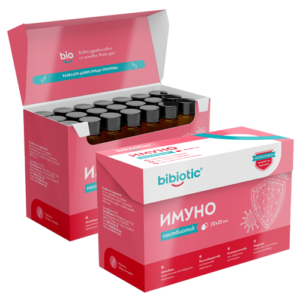
In their quest to improve athletic performance and recovery, athletes often include various nutritional supplements in their diets. Recently, a new category of promising supplements has appeared on the market – postbiotics. They are non-living biomass of probiotic bacteria and the metabolites they produce, which have shown tangible benefits for the well-being of the body. This article examines the potential benefits of the use of postbiotics by athletes.
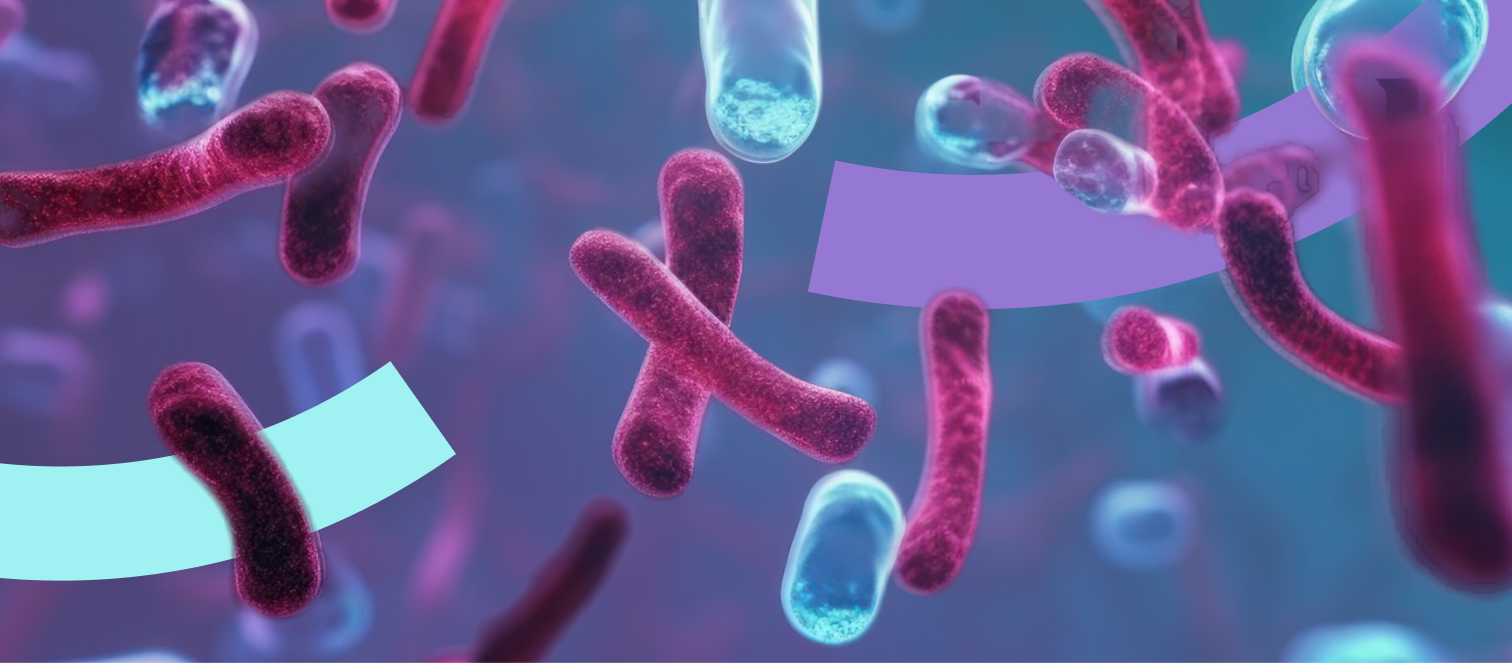
Postbiotics have emerged as a promising tool for resolving gastrointestinal problems, improving metabolism and nutrient absorption, and enhancing athletic performance. Studies have shown that postbiotics have the ability to modulate the immune response, improve the intestinal barrier, accelerate energy metabolism, improve oxidative stress, and alleviate psychological stress. In addition, they provide the body with digestive enzymes, vitamins, short-chain fatty acids (SCFA), other organic acids, antimicrobial substances, negative regulatory signaling molecules, micro-RNAs, exopolysaccharides, antioxidants, biosurfactants, teichoic acids, peptidoglycans, polysaccharides, neurotransmitter molecules involved in communication with the nervous system, and a number of other diverse metabolites necessary for the well-being of the body, as well as contributing to the increase in their production by the intestinal microbiota. In particular, the immunomodulatory effects of postbiotic supplements may help improve defense mechanisms against infections and promote health and endurance during intense exercise in athletes.
- Postbiotics and the musculoskeletal system
- Effect of postbiotics on bone health and related mechanisms
- Effect of postbiotics on skeletal muscle metabolism and related mechanisms
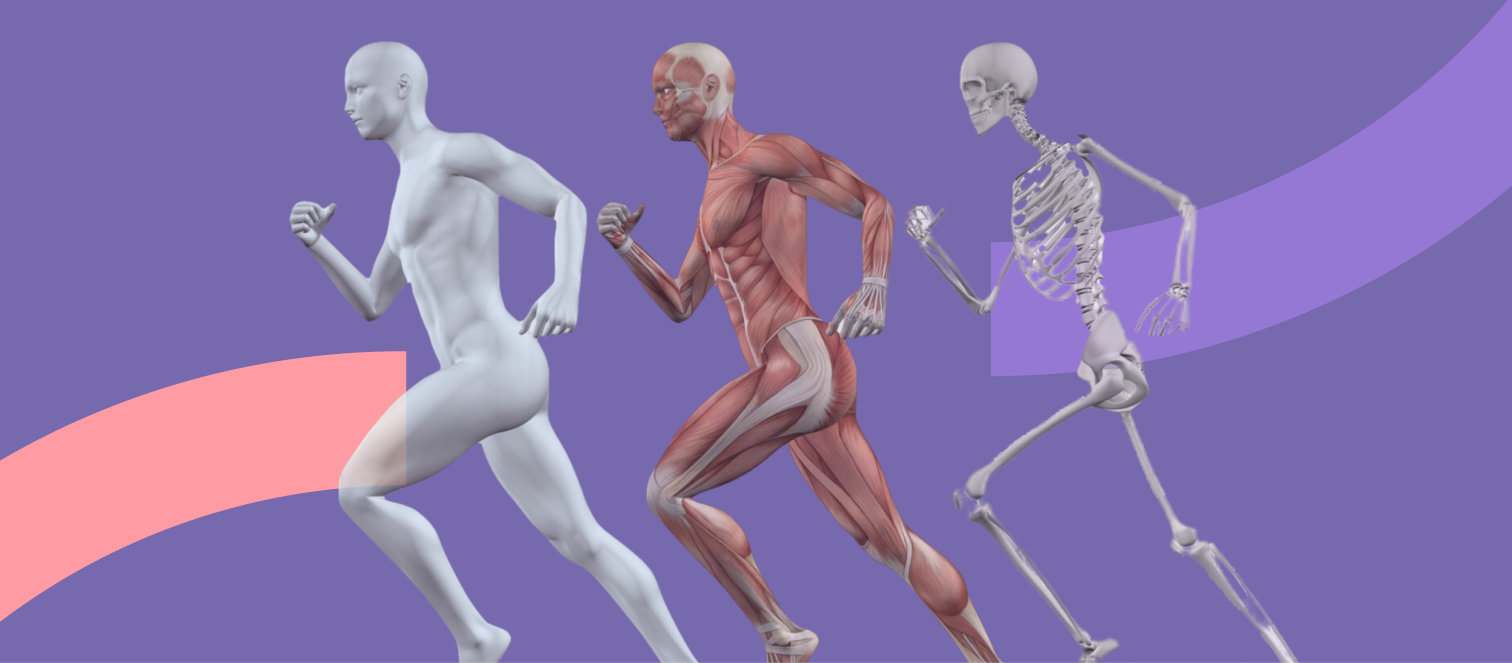
Bone is important for maintaining body shape and is the main point of attachment for skeletal muscles. Postbiotics increase the absorption of calcium and minerals, thereby increasing bone strength and mineral density. Postbiotics regulate intestinal permeability through metabolites such as SCFAs and conjugated linoleic acid, as well as by assisting the gut microbiota in the processing of bile acids and phenolic compounds. Thus, they improve muscle glucose homeostasis, energy expenditure, protein synthesis and physical activity. The metabolite lactates act as energy substrates for skeletal muscles, and vitamin-like metabolites affect energy production and storage in skeletal muscles, the interaction of skeletal muscles with the nervous system and the interaction between muscles and bones. Conjugated linoleic acid increases metabolic rate, reduces body weight gain and white adipose tissue, thereby affecting body weight and physical activity. The gut microbiota influences skeletal muscle metabolism and muscle fiber type through the interneuronal network (myenteric plexus). Postbiotics help maintain a eubiotic microbiota, which leads to increased skeletal muscle mass, reduced markers of muscle atrophy, and improved muscle oxidative metabolism.
- Relationship between postbiotics and exercise capacity
- Effect of postbiotics on exercise capacity
- Mechanisms by which postbiotics influence exercise capacity
- Postbiotics and metabolic regulation
- Postbiotics and improving immune function
- Postbiotics and improving oxidative stress
- Postbiotics and improving intestinal barrier function
- Postbiotics and psychological stress relief
Postbiotics can affect exercise capacity by reducing stress injuries and fatigue from exercise, as well as by increasing the duration of intense exercise and endurance time. Thus, postbiotics have the potential to improve athletic performance. Postbiotics can improve exercise capacity by modulating the athlete's local and systemic immune responses, improving epithelial barrier function, energy metabolism, psychological stress, and antioxidant capacity. Postbiotics help the gut microbiota regulate glucose metabolism, lipid metabolism, protein and amino acid metabolism, and vitamin metabolism to compensate for the energy deficit generated by intense exercise. Therefore, postbiotics play an important role in maintaining the body's energy balance. The probiotic metabolite isovanilic acid stimulates the production of key enzymes that improve the regulation of glucose metabolism in myoblasts, activating them to proliferate and form new muscle fibers when muscles grow or recover from injury. Regulation of the metabolic process of glucose is important for restoring muscle endurance, regulating muscle metabolism and, accordingly, energy production in muscles. Short-chain fatty acids (SCFAs) contained in postbiotics contribute to the energy metabolism of athletes and increase the efficiency of energy production by myocytes. Postbiotics increase the concentration of free amino acids, bioactive peptides, γ-aminobutyric acid and other nutrients and metabolites, which also play an essential role in energy metabolism. The B vitamins contained in postbiotics also affect energy metabolism. As cofactors, they are directly involved in the processes of energy production in the respiratory chain. Furthermore, by modulating the gut microbiota, postbiotics indirectly affect the metabolism of B vitamins in the body. Intense exercise and overload training can predispose athletes to upper respiratory tract infections (URTI) and gastrointestinal discomfort. By modulating the immune system, postbiotics can reduce the incidence, duration, and severity of URTI, thus indirectly improving training and competition performance. Furthermore, postbiotics can significantly reduce the incidence of URTI in athletes after intense aerobic exercise. Postbiotics have been shown to be an effective and safe way to prevent and alleviate exercise-induced gastrointestinal symptoms. They can improve gastrointestinal discomfort caused by a single bout of high-intensity or endurance exercise. It has also been shown that postbiotics can reduce exercise-induced increases in intestinal permeability and maintain the integrity of the intestinal mucosal barrier. In addition, postbiotics can also improve intestinal defense by regulating the expression of tight junction proteins and promoting mucus synthesis. Inhibition of inflammatory factor expression and promotion of SIgA secretion by postbiotics are important factors in improving intestinal immune function. In addition, postbiotics can improve intestinal immune barrier function by promoting IgA secretion by intestinal plasma cells, thereby preventing the proliferation of pathogens in the intestine. High-intensity exercise generates various free radicals and reactive oxygen species, which cause oxidation of cellular components such as proteins, lipids and nucleic acids, promote cell death (apoptosis) and impair cellular functions. Postbiotics contain antioxidant enzymes that exert strong antioxidant activity and lead to an increase in plasma antioxidant levels in the blood, reducing the level of oxidative stress in the body. Overall, the antioxidant effects of postbiotics can delay oxidative damage caused by free radicals generated during exercise, reduce apoptosis, and improve exercise capacity. High-intensity exercise can cause stress in the gastrointestinal tract and lead to endotoxemia. Postbiotics can prevent such problems caused by ischemia by improving mucosal and epithelial barriers, which help prevent the penetration of toxins into the circulatory system. They can also stimulate the production of anti-inflammatory mediators that help maintain healthy gastrointestinal function. Studies on the effects of postbiotics on intestinal barrier function in athletes have shown positive intervention effects. In addition, they improve the barrier function of the intestinal mucosa in inflammatory bowel diseases. Meanwhile, postbiotics exert direct antibacterial activity and regulatory effects, which can alleviate the damage to the gastrointestinal barrier caused by high-intensity exercise by promoting the synthesis of intestinal mucosal glycoproteins and enhancing the protective effect on the mucosal layer. Recent studies have shown that the intestinal microbiota is closely related to the neuroendocrine system. Postbiotics have a beneficial effect on the psychological well-being of athletes. They reduce depressive behavior by remodeling the intestinal microbiota, increasing the levels of norepinephrine and 5-hydroxytryptamine, and inhibiting the expression of adrenocorticotropic hormone and corticosterone. Postbiotics reduce preclinical psychological symptoms, such as anxiety, depression, and stress.

- Mechanisms by which postbiotics improve fat metabolism and body weight
In recent years, numerous studies have shown that a healthy gut microbiota and low levels of inflammation in the gut are important reasons for preventing obesity and related diseases. Postbiotics can regulate the composition of the gut microbiota, inhibit the growth of harmful bacteria and the harmful metabolites and pro-inflammatory cytokines they produce, promote carbohydrate metabolism, and regulate the immune process. Therefore, postbiotics can prevent and control obesity caused by gut microbiota dysbiosis and long-term inflammation in the gut.
- Postbiotics inhibit the secretion of intestinal pro-inflammatory cytokines
- Postbiotics regulate metabolites in the intestinal tract
Obesity is a chronic inflammatory condition, and the gut is the site of production of inflammatory cytokines. When inflammatory symptoms occur in the gut, the content of pro-inflammatory cytokines in the small intestine increases significantly. The increase in the secretion of pro-inflammatory factors leads to obesity. Thus, postbiotics may play a role in reducing body weight by inhibiting the secretion of intestinal pro-inflammatory factors and reducing intestinal inflammation.
- Postbiotic and SCFA effect
The short-chain fatty acids (SCFA) contained in postbiotics can regulate blood sugar levels and improve lipid metabolism, while suppressing appetite, creating a feeling of satiety and reducing body weight. In addition, SCFAs not only exert anti-inflammatory effects, but also increase IgA production. Thus, the intake of postbiotics may have lipid-lowering effects. 3.2.2. Postbiotics and the effect of bile acids Bile acids promote lipid metabolism in the small intestine and regulate lipid metabolism and energy conversion. The intake of postbiotics can improve the process of bile acid metabolism and thus positively affect fat metabolism and body weight.
Conclusion
Postbiotics have beneficial effects on athletes through their positive influence on bone and skeletal muscle regulation, energy and nutrient metabolism, inflammatory response, intestinal barrier function, immune function, improvement of oxidative stress, and alleviation of psychological stress. This contributes to reducing fatigue during training, improving exercise performance, and full and rapid recovery. Postbiotics suggest significant potential for their application in sports, especially for athletes seeking natural and effective ways to improve performance and recovery.